

Learn how to prevent exercise-induced bronchoconstriction symptoms using proven strategies like warm-ups, environmental control, and correct inhaler use with spacers. Get clear guidance on when and how to use albuterol and other medications safely.
The COVID-19 pandemic triggered widespread drug shortages and a surge in deadly overdoses. Essential medications vanished as global supply chains broke down, while illicit drugs became more dangerous due to fentanyl contamination. The crisis exposed deep flaws in healthcare and addiction systems.

Switching to generic medications can cause side effects for some people, especially with drugs that have a narrow therapeutic index. Learn which medications are most risky, what symptoms to watch for, and how to protect yourself from harmful switches.
Learn how immunosuppressants like methotrexate, azathioprine, and cyclophosphamide affect fertility and pregnancy. Get clear guidance on safe medications, preconception planning, and what to expect during and after pregnancy.
Pharmacists must follow complex state and federal laws when dispensing generic medications. Learn the legal obligations around substitution, consent rules, restricted drugs, documentation requirements, and how state laws vary across the U.S.
Learn how to spot misleading media reports about medication safety by checking study methods, understanding risk numbers, and verifying sources. Don't let fear drive your health choices - use facts instead.
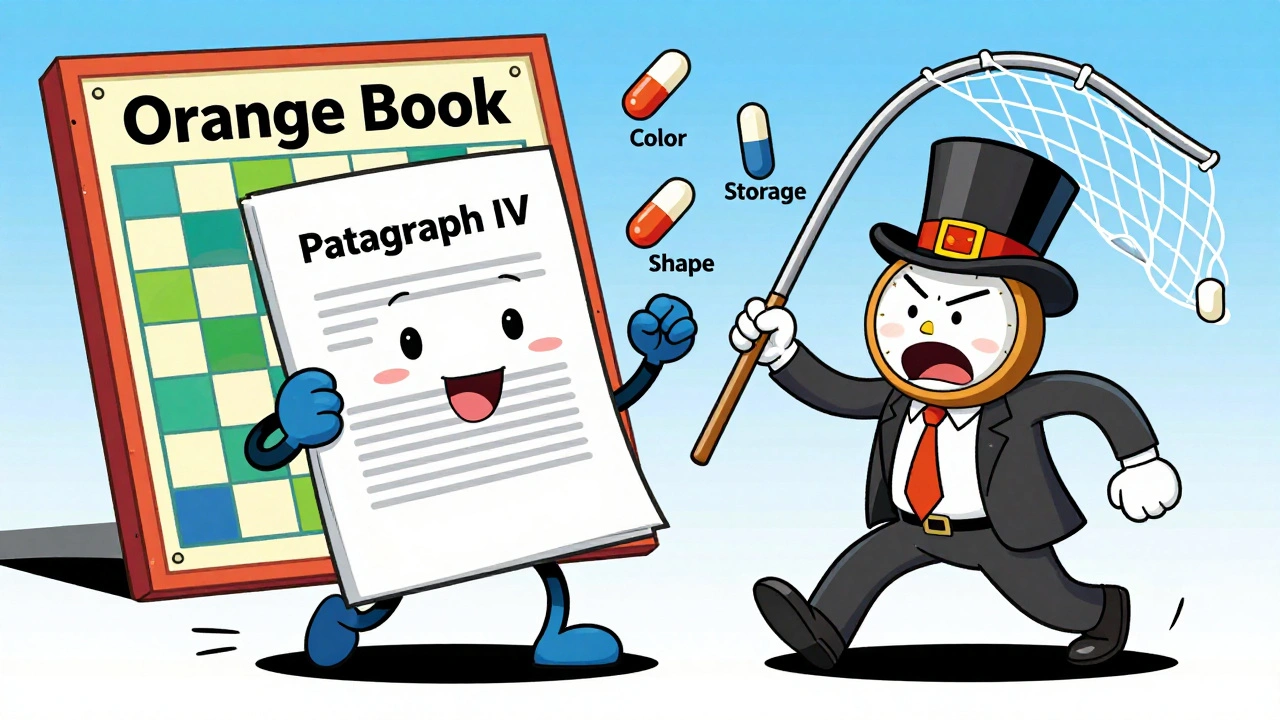
Paragraph IV patent challenges let generic drug makers legally fight brand patents to bring cheaper drugs to market. Under the Hatch-Waxman Act, these challenges have saved U.S. consumers over $1.2 trillion since 1990.
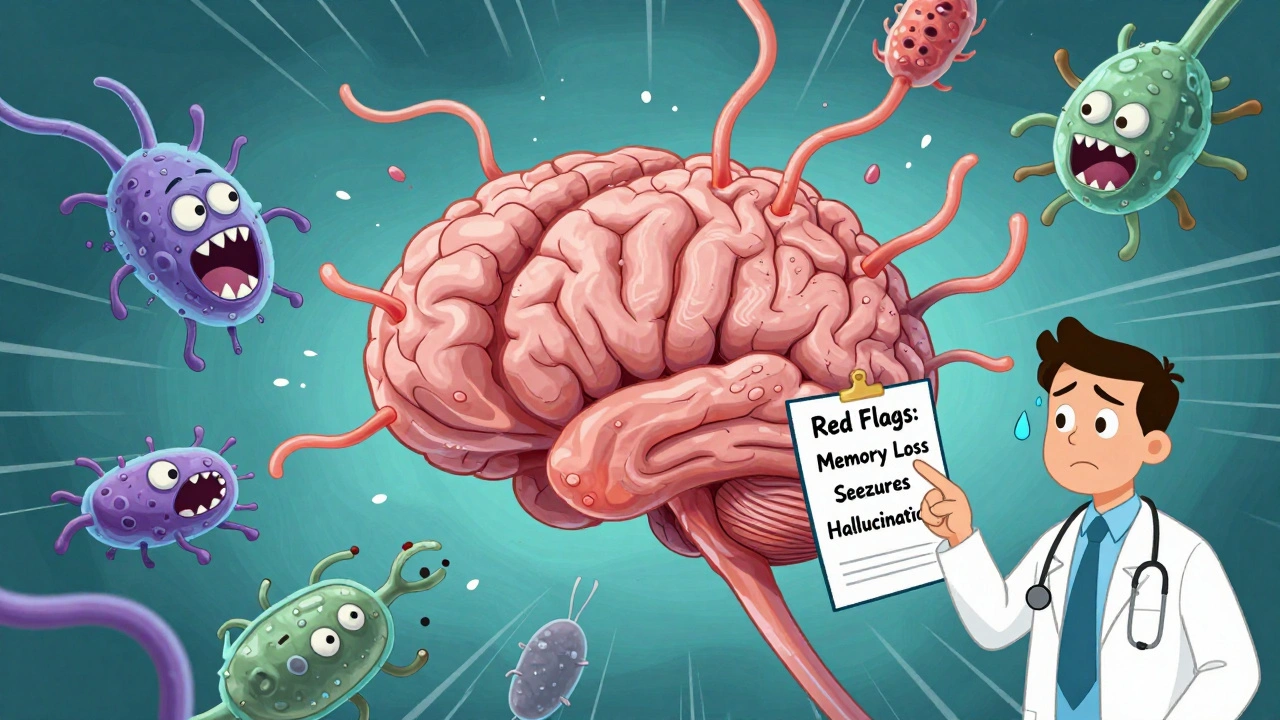
Autoimmune encephalitis is a rare but treatable brain disorder triggered by antibodies attacking nerve cells. Recognizing early signs like seizures, memory loss, and behavioral changes can save lives. Treatment works best when started quickly.
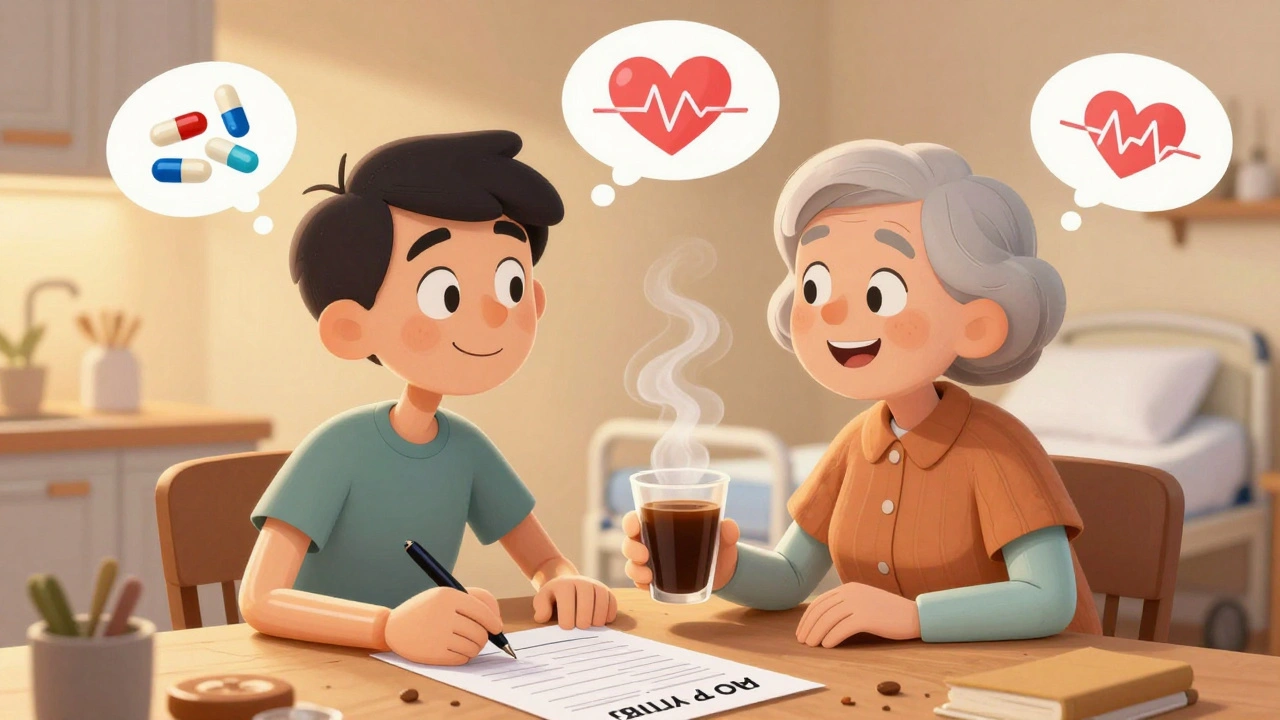
A Medical Power of Attorney lets you choose someone to make medication and treatment decisions if you can't speak for yourself. It prevents family conflict and ensures your wishes are followed. Learn how to set one up and why it's critical for medication choices.
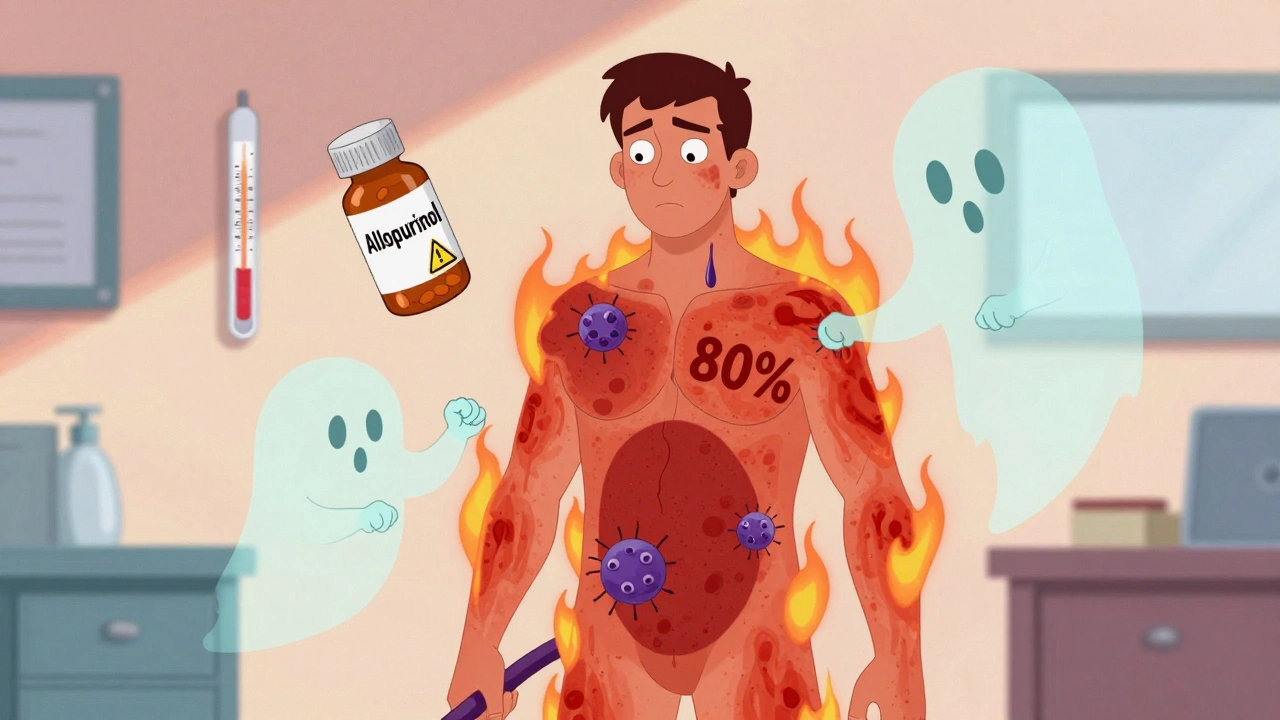
DRESS syndrome is a rare but deadly drug reaction that causes rash, fever, organ damage, and eosinophilia. Often misdiagnosed, it requires immediate treatment. Learn the signs, triggers, and how to prevent it.
 Health and Wellness