
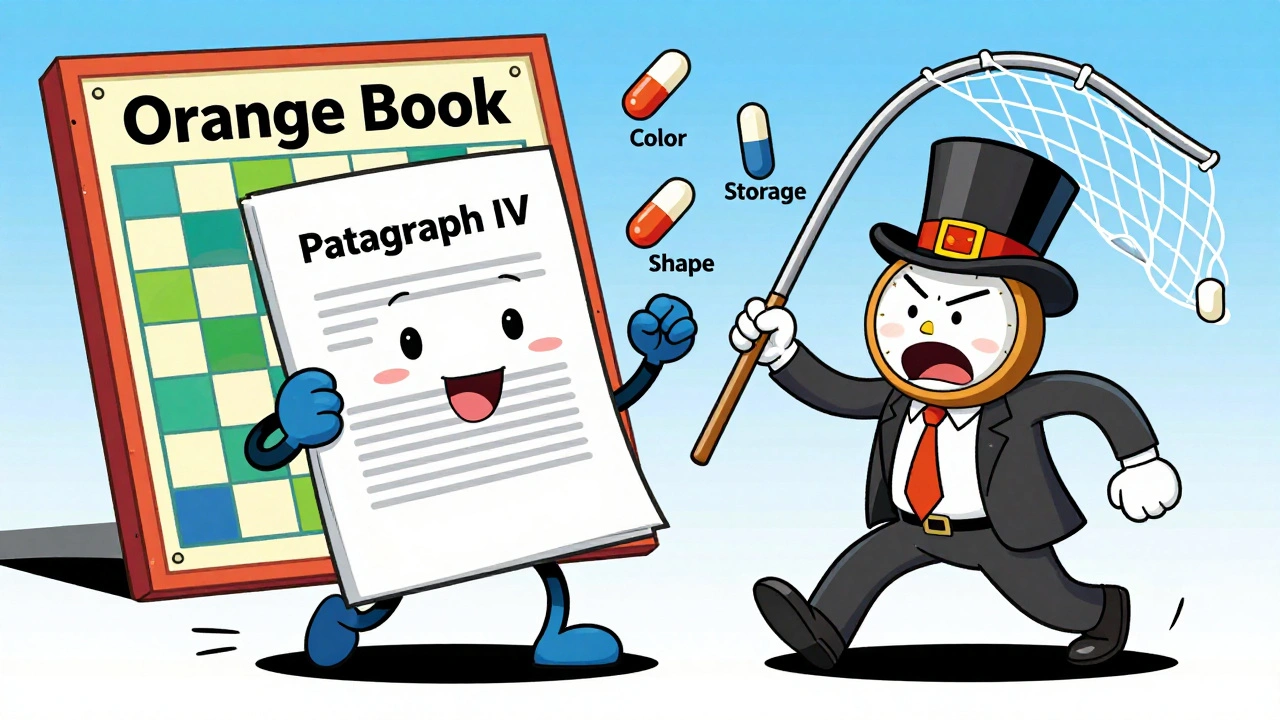
When a brand-name drug’s patent is about to expire, a clock starts ticking-not just for the company that made it, but for a whole industry of generic drug makers waiting to step in. The tool they use to do it? A legal maneuver called a Paragraph IV patent challenge. It’s not a loophole. It’s not a trick. It’s the law-and it’s saved U.S. consumers over $1.2 trillion since 1990.
What Is a Paragraph IV Challenge?
A Paragraph IV challenge is a formal notice filed by a generic drug company with the FDA, saying: “Your patent is invalid, unenforceable, or we won’t break it.” This isn’t just a claim. It’s a legal trigger. Under the Hatch-Waxman Act of 1984, this single filing counts as an act of patent infringement-even before the generic drug is made or sold. That’s how the system forces the brand company to respond. The brand gets 45 days to sue. If they do, the FDA can’t approve the generic for up to 30 months. That sounds like a delay, but it’s actually part of the deal. The generic company gets something huge in return: 180 days of exclusive rights to sell the first generic version. No one else can enter the market during that time. That’s why companies like Teva and Mylan have risked tens of millions in legal fees-they stand to make hundreds of millions in profit during those six months.How It Works: The Step-by-Step Playbook
It starts with the Orange Book. That’s the FDA’s official list of approved drugs and their patents. Generic makers don’t guess which patents to challenge. They study it like a chessboard. They look for weak patents-ones that cover minor changes, expired claims, or ideas that weren’t really new. Step one: File an Abbreviated New Drug Application (ANDA). This is the generic version of the brand’s drug. But here’s the twist: in the ANDA, they include a Paragraph IV certification. That’s the legal bomb. Step two: Notify the brand company within 20 days. This isn’t a courtesy. It’s required by law. The notice has to lay out exactly why they think the patent is invalid. Is it obvious? Was it already published? Did the brand stretch it too far? Step three: Wait for the lawsuit. About 68% of brand companies file suit within those 45 days. Some wait until day 44 to squeeze out every extra hour of preparation. Once the lawsuit starts, the 30-month clock ticks. The FDA can’t approve the generic until the court decides-or until the patent expires, whichever comes first. Step four: Prove bioequivalence. While the lawyers argue, the scientists are working. The generic drug must perform the same way in the body as the brand. That means testing with 24 to 36 volunteers, measuring how fast the drug enters the bloodstream (Cmax) and how much gets absorbed (AUC). The results must fall between 80% and 125% of the brand’s numbers. No wiggle room. Step five: Win or settle. About 72% of these cases settle before trial. Often, the brand agrees to let the generic enter the market a few weeks before the patent expires. That’s called a “reverse payment,” and it’s legal now-if it’s not a pure pay-for-delay deal. After the Supreme Court’s 2013 Actavis ruling, those kinds of settlements are under antitrust scrutiny.Why This Matters: The Real Impact
Generic drugs make up 90% of all prescriptions in the U.S. But they cost only 23% of what brand drugs do. That gap? That’s Paragraph IV challenges working. Take Copaxone. When Teva won its Paragraph IV challenge in 2017, they got 180 days of exclusivity. They earned $1.2 billion in that time. Meanwhile, patients who paid $7,000 a month for the brand paid under $100 for the generic. Or the EpiPen. Mylan’s generic hit the market after a successful challenge. During their 180-day window, they held 75% of the generic market. That’s not just profit-that’s access. People who couldn’t afford the brand could suddenly carry life-saving epinephrine without choosing between rent and medicine. The numbers don’t lie. The FTC says each successful Paragraph IV challenge saves consumers an average of $13.7 billion per drug over time. Since 1990, that’s over $1.2 trillion saved. That’s more than the GDP of Ireland.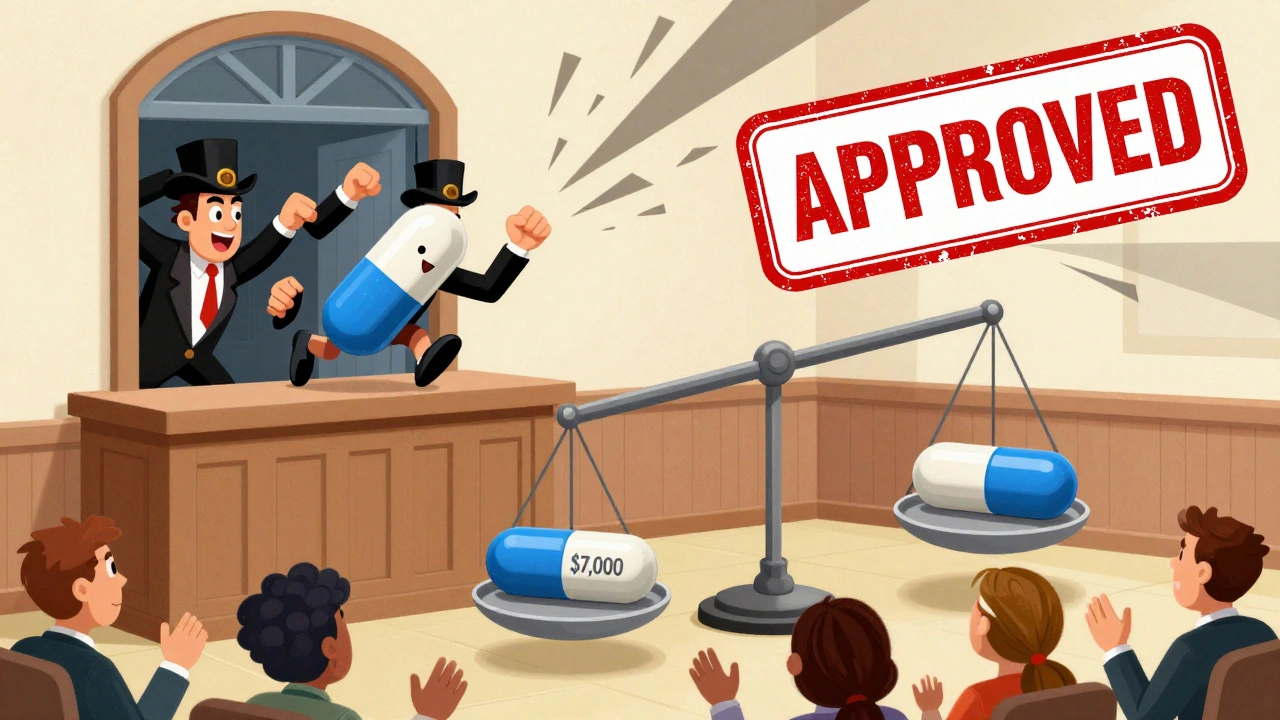
The Dark Side: Patent Thickets and Delays
It’s not all clean. Some brand companies stack patents like walls. Copaxone had over 40 patents. Some cover the pill’s color. Others cover how it’s stored. These aren’t innovations-they’re legal fences. That’s called a “patent thicket.” And the system is getting slower. The average Paragraph IV case now takes 32 months to resolve. That’s longer than the 30-month stay the law allows. Courts are backlogged. Legal fees have jumped from $5 million per case in 2000 to $15.7 million today. Smaller generic companies can’t afford to play. Then there’s “product hopping.” Brand companies make tiny changes-like switching from a pill to a liquid-and get a new patent. That resets the clock. Allergan did this with Restasis. The FTC sued. They lost. But the tactic still happens.Who’s Winning and Who’s Losing?
The top 10 generic manufacturers now file 68% of all Paragraph IV challenges. That’s up from 52% in 2015. Big players like Teva, Mylan, and Hikma have the lawyers, the data, and the cash. Smaller companies? They’re getting squeezed out. The challenges also cluster around high-value drugs. 82% of Paragraph IV filings are for drugs with annual sales over $500 million. That means the system works best for blockbuster drugs-not the ones that help the most people. Oncology drugs are a growing target. Between 2018 and 2022, Paragraph IV challenges for cancer meds rose 27%. That’s because these drugs cost $100,000 a year. Even a small discount saves lives.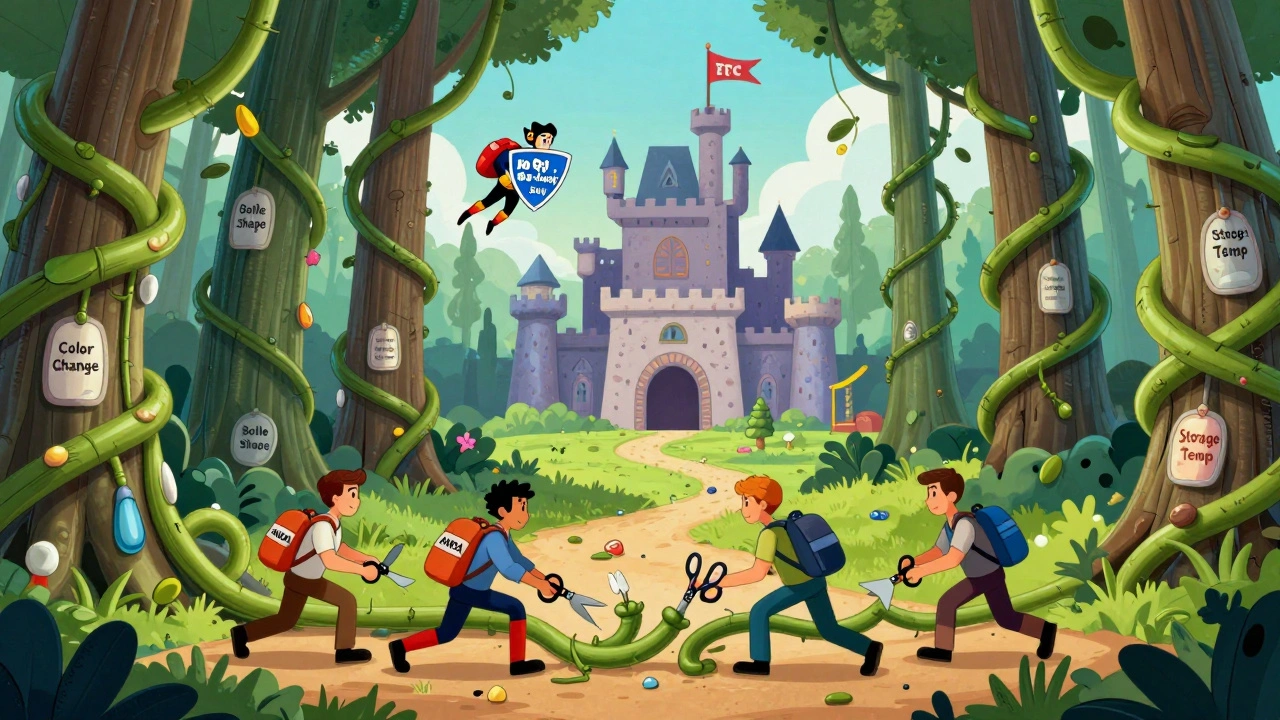
 Health and Wellness
Akash Sharma
December 4, 2025 AT 11:31Man, this whole Paragraph IV system is wild when you think about it. It’s like a legal chess match where the stakes are people’s lives and corporate profits. I’ve seen friends in India pay $500 for a month’s supply of a drug that costs $7,000 in the US - and it’s all because generics exist. The 180-day exclusivity window is genius - it incentivizes the risk-taking, but man, it also creates this weird race to be first, even if the science is shaky. And don’t get me started on how some companies game the system with patent thickets - like, seriously, patenting the color of the pill? That’s not innovation, that’s legal trolling. Still, without this, most of us couldn’t afford our meds. The fact that it’s saved $1.2 trillion since 1990? That’s not just a number, that’s millions of people breathing easier.
But I wonder if the system’s becoming too corporate. Smaller generics can’t afford $15 million lawsuits anymore. It’s just the big players now - Teva, Mylan, Hikma - and that’s not healthy for competition. And what about drugs for rare diseases? Nobody’s challenging those patents because the ROI isn’t there. So the system works great for blockbusters, but leaves the vulnerable behind. Maybe we need a public fund to help small firms file challenges on essential meds. It’s not just about profit - it’s about justice.
Justin Hampton
December 6, 2025 AT 11:17Let’s be real - this whole Paragraph IV thing is just legalized theft disguised as consumer protection. The brand companies invest billions in R&D, and some generic firm files a frivolous challenge just to jump in and steal the market. They don’t even invent anything. They just wait for the patent to expire like vultures. And then they get rewarded with 180 days of monopoly? That’s not competition - that’s a government handout to corporate freeloaders. The fact that they call it ‘saving consumers’ is laughable. It’s just wealth redistribution from innovators to copycats. And don’t even get me started on the FTC - they’re the ones encouraging this chaos. If you want innovation, protect the inventors, not the parasites.
Pooja Surnar
December 7, 2025 AT 19:20so like… why are we even letting these big pharma companies get away with this? they patent EVERYTHING. the color of the pill. the shape. the freaking packaging. its not innovation its just greed. and then they sue the little guys for millions just to delay generics. people are DYING because they cant afford their meds. and you wanna talk about ‘patent thicket’? its a wall made of lies. and the FDA? they’re asleep at the wheel. i mean seriously? 40 patents on one drug? thats not science thats a scam. and the fact that teva made 1.2 billion? cool. but what about the grandma who had to choose between insulin and rent? who cares about your billion when people are dying? this system is broken. and its not the generics fault. its the pharma giants. fix the system. not the heroes.
Sandridge Nelia
December 9, 2025 AT 10:16This is such an important topic, and you laid it out so clearly - thank you! 😊 The bioequivalence standards (80-125%) are actually really fascinating - it’s not just about the chemical being the same, it’s about how the body absorbs it. That’s why generics aren’t ‘cheap copies’ - they’re scientifically validated alternatives. I’ve worked in clinical trials, and seeing patients switch from $7,000 Copaxone to $90 generics? It’s life-changing. The 180-day exclusivity is a necessary evil - without it, no one would risk the legal battle. But you’re right about the delays. Courts are clogged, and that hurts everyone. I’d love to see more funding for specialized pharma courts. Also, the rise of complex generics like inhalers? Huge opportunity. We need more support for those.
Mark Gallagher
December 10, 2025 AT 04:48Let me be clear - this is not a victory for American consumers. It’s a victory for foreign corporations exploiting American law. Teva is Israeli. Mylan is now owned by a Korean conglomerate. Hikma is Jordanian. And we’re celebrating them for dismantling American innovation? The Hatch-Waxman Act was designed to balance innovation and access - not to turn our patent system into a free-for-all for overseas entities. We don’t protect our tech patents like this. We don’t let foreign firms copy our semiconductors or AI algorithms. Why should pharmaceuticals be any different? This isn’t about affordability - it’s about national sovereignty. And we’re losing it.
Wendy Chiridza
December 11, 2025 AT 03:55One thing people don’t talk about is how the 30-month stay actually helps generics too. It gives them time to scale production while the lawsuit plays out. If the brand sues too early, they risk losing the patent entirely. If they wait too long, they lose leverage. It’s a high-stakes game of timing. And the settlements? Most of them aren’t pay-for-delay - they’re just practical. Why spend $15 million on a case you’re likely to lose? Better to enter early and capture market share. Also, the FTC’s crackdown on fake patents is long overdue. Evergreening isn’t innovation - it’s fraud. And the fact that 82% of challenges are for drugs over $500 million? That’s capitalism. But we need to fix the system so it doesn’t ignore the low-cost, high-need drugs. Everyone deserves access, not just the ones with big price tags.
Pamela Mae Ibabao
December 11, 2025 AT 13:25Okay so I did a deep dive on this last month because my mom’s on a $12k/year med and I was desperate. The numbers are insane - 90% of prescriptions are generics, 23% of the cost. But here’s the twist: the real savings aren’t from Paragraph IV alone - they’re from Medicare negotiating prices now. That’s the game-changer. Before 2022, generics were just the first domino. Now, with Medicare forcing lower prices, generics have to undercut even more. So companies are filing challenges earlier, faster, and more aggressively. The 15-20% spike by 2025? That’s not a prediction - it’s inevitable. And honestly? It’s about time. The system was designed for 1984, not 2025. We need faster courts, not more lawsuits. But hey - at least the pills are cheaper now. That’s something.
Joanne Rencher
December 13, 2025 AT 06:10eh i read the first paragraph and was like ‘oh cool’ then i saw ‘$1.2 trillion saved’ and thought ‘ok this is just a pharma industry PR piece’. like sure, generics are good, but this whole thing feels like a corporate love letter. who even wrote this? some guy at Teva’s marketing dept? i mean, i get it - generics save money. but the fact that they’re all chasing the same $500m+ drugs? that’s not access, that’s greed with a side of legality. and ‘patent thickets’? yeah sure, but you’re not even mentioning how many of these challenges are just fishing expeditions - ‘we don’t know if the patent’s invalid, but we’ll sue anyway and hope they pay us to go away’. this isn’t heroism. it’s business. and i’m tired of it being framed like some moral crusade.
Erik van Hees
December 14, 2025 AT 11:25Y’all are missing the real story. The real winners aren’t the generic companies - they’re the pharmacy benefit managers. PBMs. They negotiate rebates with generics, take 20-30% off the top, and pass the rest to insurers. The patient pays $100, the PBM gets $30, the generic gets $70. The brand gets nothing. And the PBM doesn’t even have to disclose this. So who’s really profiting? Not Teva. Not the patient. The middlemen. And no one talks about it because the narrative is ‘big pharma bad, generics good’. But the system’s rigged from the inside. The Paragraph IV challenge? It’s just the opening move. The real game is in the rebate pipeline. And if you think the FDA’s cracking down on evergreening? That’s just theater. The PBMs are the invisible kings here.
Cristy Magdalena
December 15, 2025 AT 23:14I just want to say… I cried reading this. Not because I’m dramatic (okay maybe I am) but because my brother died in 2019 because he couldn’t afford his cancer med. It was $105,000 a year. He worked two jobs. He had insurance. And it still wasn’t enough. When I saw the part about oncology drugs rising 27% in challenges… I just sat there. For the first time in years, I felt like maybe - just maybe - people are starting to understand. This isn’t about patents or profits. It’s about people. It’s about dignity. It’s about whether a kid with leukemia gets to see their 16th birthday. And if this system, flawed as it is, helps even one person breathe easier? Then it’s worth every lawsuit. Every dollar. Every sleepless night. Thank you for writing this. I needed to hear it.
Josh Bilskemper
December 17, 2025 AT 21:03Paragraph IV is a legal fiction. The entire system is built on the assumption that generics are equivalent. But bioequivalence is a statistical range - 80-125%. That’s a 45% window. One patient might absorb 120% of the brand’s drug. Another 85%. That’s not the same. It’s not even close. And yet we pretend it’s identical. The FDA doesn’t require clinical outcome trials. Just pharmacokinetics. That’s not science. That’s convenience. And the 180-day exclusivity? That’s not a reward - it’s a cartel. One company gets to monopolize a market for half a year while everyone else waits. That’s not competition. That’s collusion with government backing. This isn’t saving lives. It’s a rigged game dressed up as public policy.
Storz Vonderheide
December 19, 2025 AT 20:47As someone who grew up in a country where medicine was a luxury, I want to say - this system, flaws and all, is one of the most human things America has ever built. It’s messy. It’s unfair sometimes. But it’s real. It lets a single mom in Ohio buy her son’s asthma inhaler for $15 instead of $400. It lets a veteran in rural Texas get his diabetes meds without choosing between food and insulin. The generic makers aren’t saints - they’re entrepreneurs. And the law gave them a way to compete. That’s the American dream - not just inventing, but also making sure the invention doesn’t die because it’s too expensive. We need to fix the delays, yes. We need to stop patent thickets. But don’t throw out the baby with the bathwater. This system saves lives. Every day. And that’s worth fighting for - even if it’s ugly.
Mindy Bilotta
December 21, 2025 AT 03:36Wow. Just… wow. I didn’t know about the 30-month stay being part of the deal - I always thought it was just a delay. But now I get it - it’s a trade-off. The generic gets exclusivity, the brand gets time to prepare. That’s actually smart. And the bioequivalence range? 80-125%? That’s wild. I thought generics had to be exact. Turns out, it’s about function, not chemistry. Mind blown. Also - product hopping? That’s so sneaky. Switching from pill to liquid just to reset the clock? That’s not innovation - that’s a loophole exploit. But hey, at least the FDA is finally pushing back. Progress, however slow, is still progress.
Akash Sharma
December 22, 2025 AT 20:38That’s actually a great point about PBMs - I didn’t even think about that. The real money’s not in the generic, it’s in the rebate pipeline. And yeah, the system’s designed to make the patient think they’re saving money, but the middlemen are the ones pocketing the difference. It’s like the whole thing is a shell game. Still - if the generic is $100 instead of $7,000, even if the PBM takes $30, the patient still wins. So maybe the real fix isn’t killing Paragraph IV - it’s regulating PBMs. Transparency. No secret rebates. That’s where the real change needs to happen.