

Learn how to stay informed about FDA drug recalls and safety alerts. Get direct access to official warnings, learn how to report side effects, and protect yourself from dangerous medications.
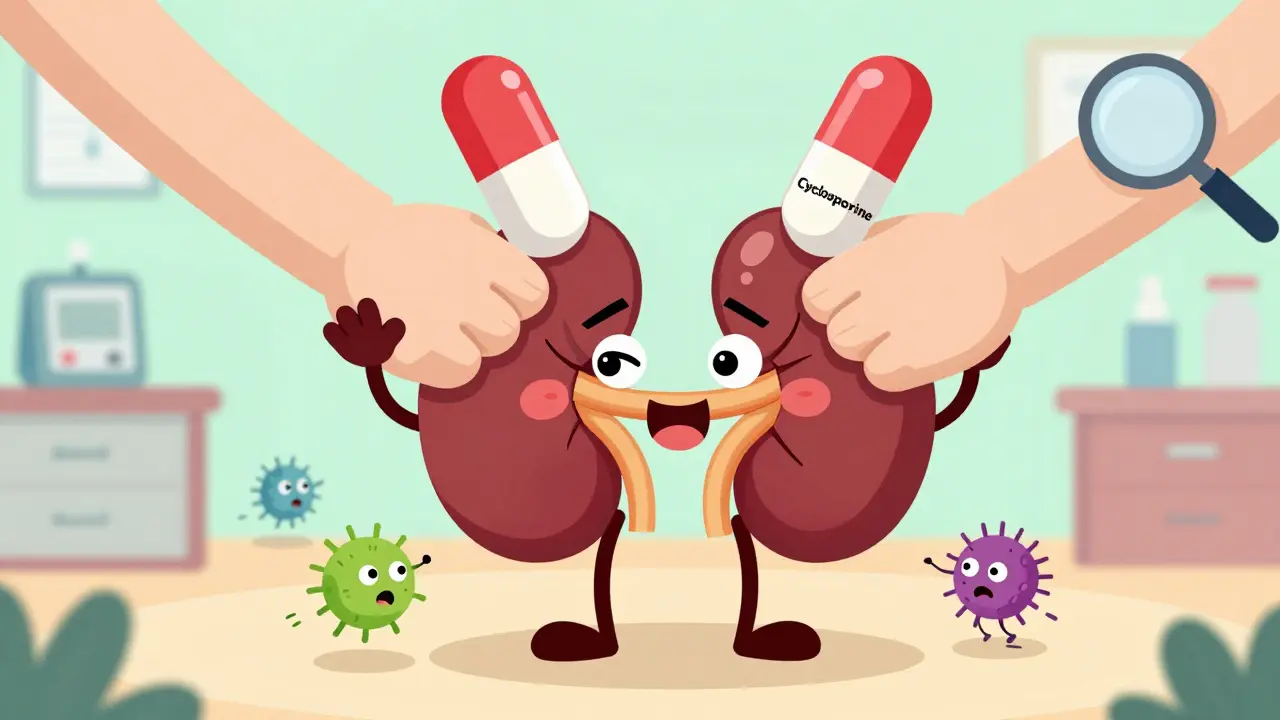
Cyclosporine and tacrolimus prevent organ rejection but cause serious side effects like kidney damage, tremors, diabetes, and gum overgrowth. Learn how these calcineurin inhibitors compare, what to watch for, and how modern protocols are reducing their harm.
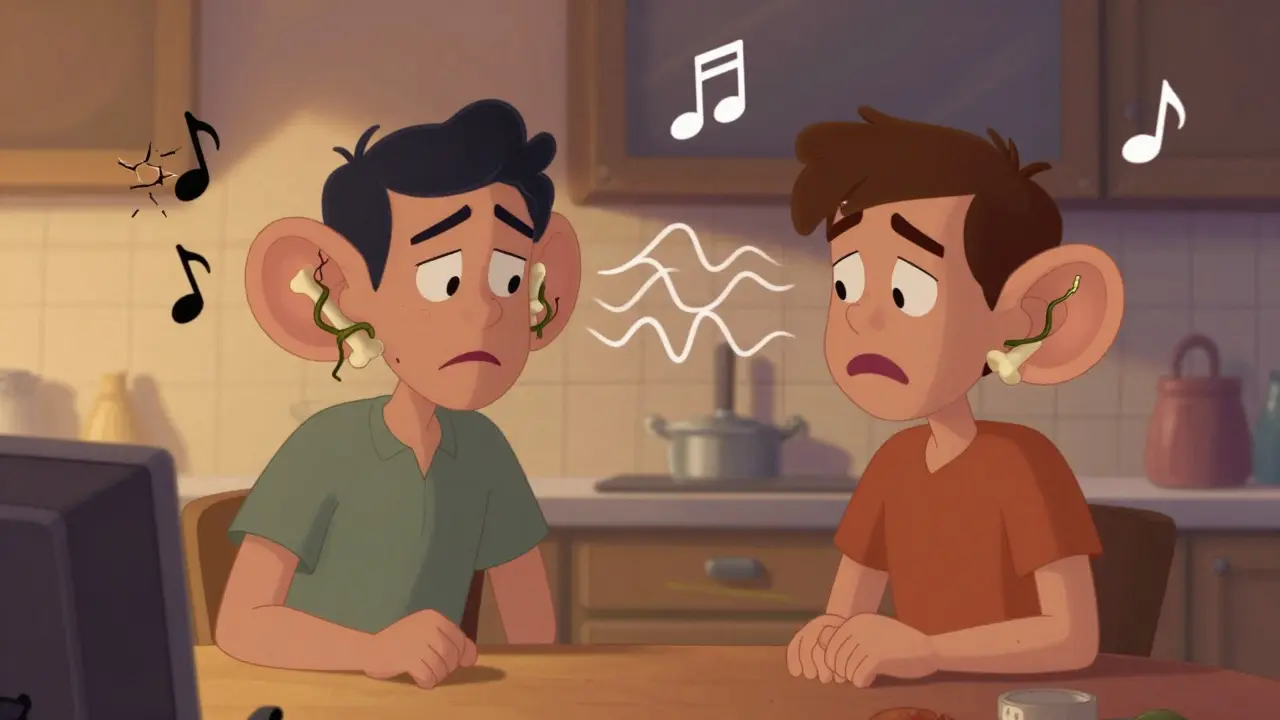
Otosclerosis is a common cause of conductive hearing loss in adults under 50, caused by abnormal bone growth in the middle ear. Learn how it affects hearing, how it's diagnosed, and the treatment options - from hearing aids to stapedectomy surgery - that can restore your hearing.
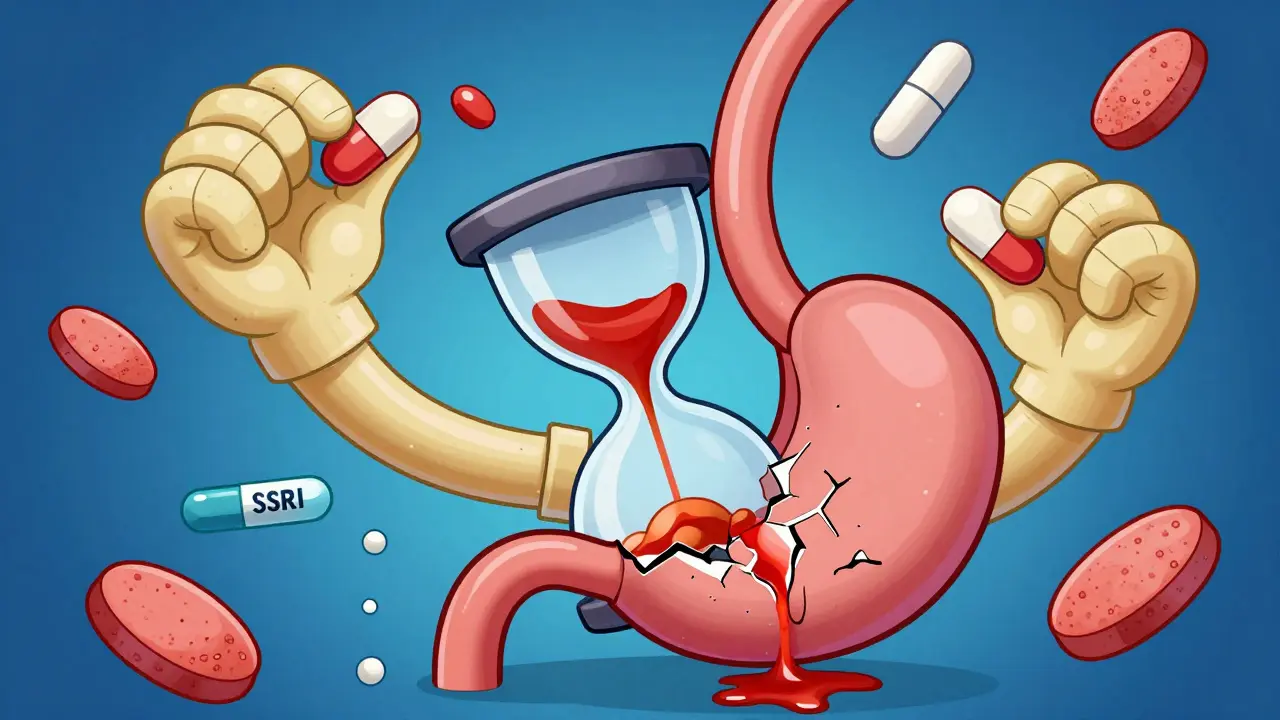
Combining SSRIs and NSAIDs can raise the risk of serious GI bleeding by 75%. Learn why this happens, which medications are safest, and how to protect yourself with proven prevention strategies.
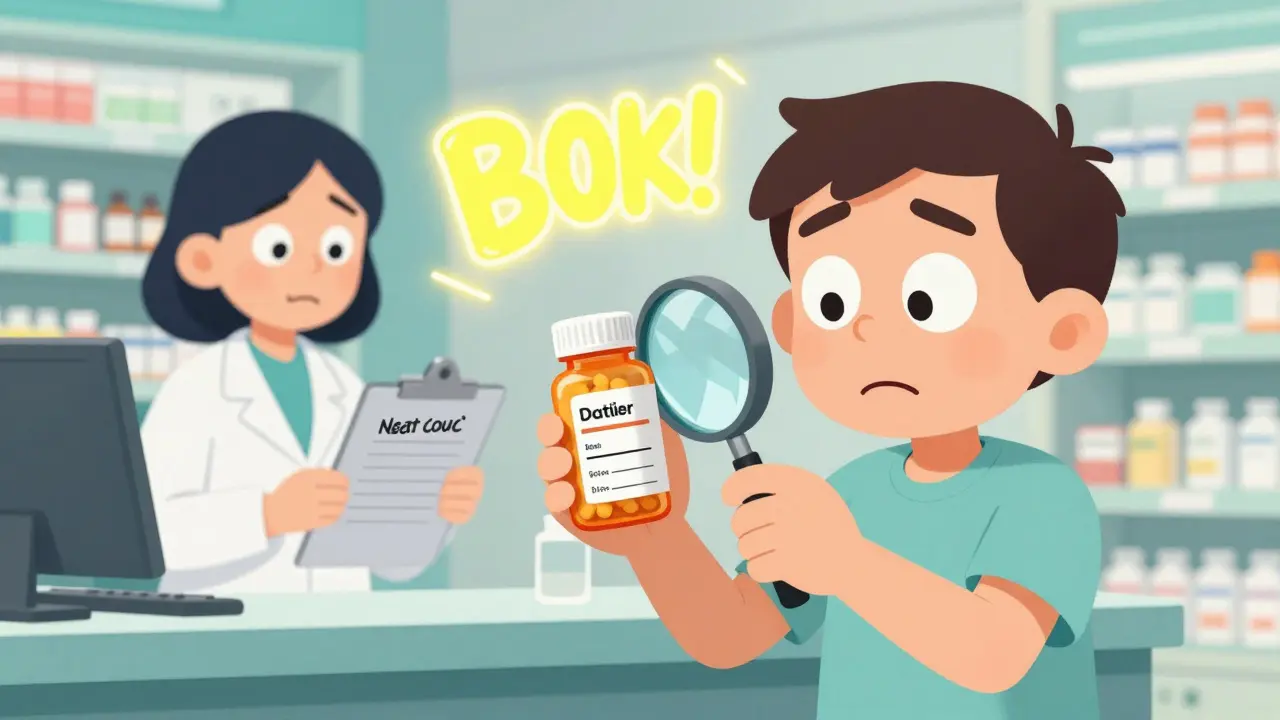
Learn how to verify your prescription at the pharmacy with a simple, step-by-step checklist to catch medication errors before they hurt you. Protect yourself with these proven safety tips.
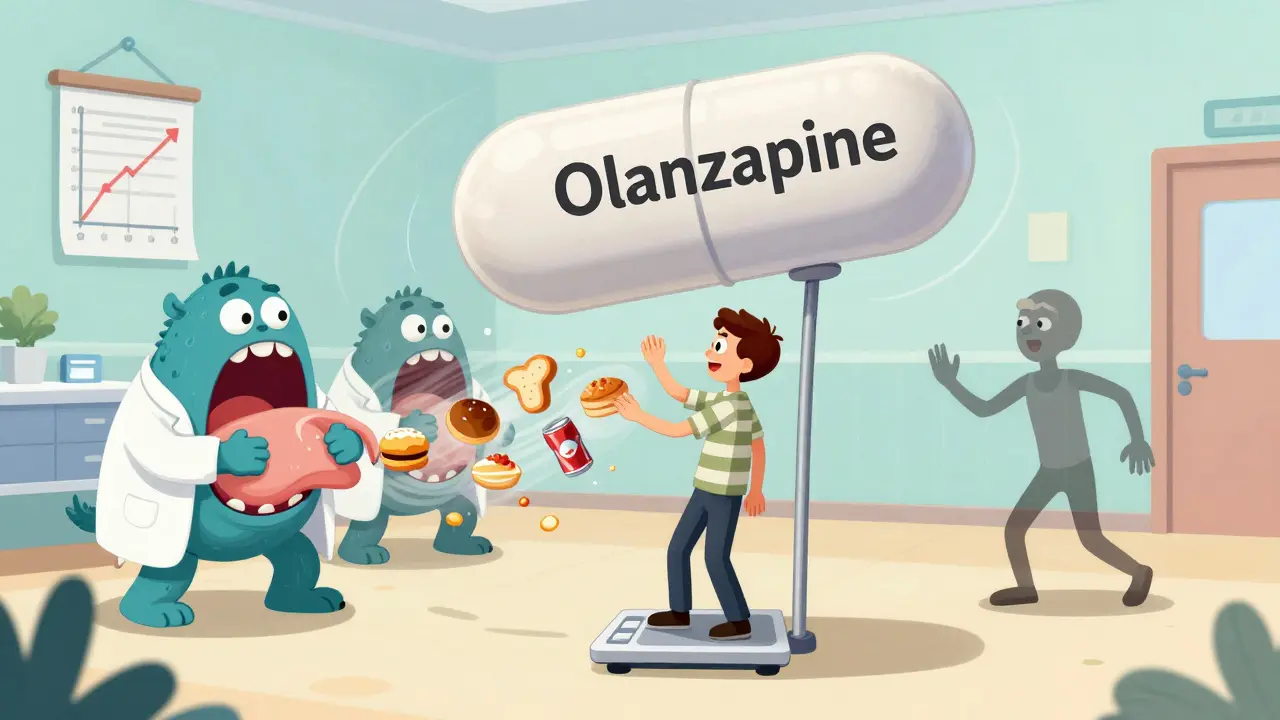
Psychotropic medications often cause significant weight gain, increasing risks for diabetes and heart disease. Learn which drugs are most likely to cause weight gain, how to manage it with diet, exercise, and medication, and what new treatments are emerging.
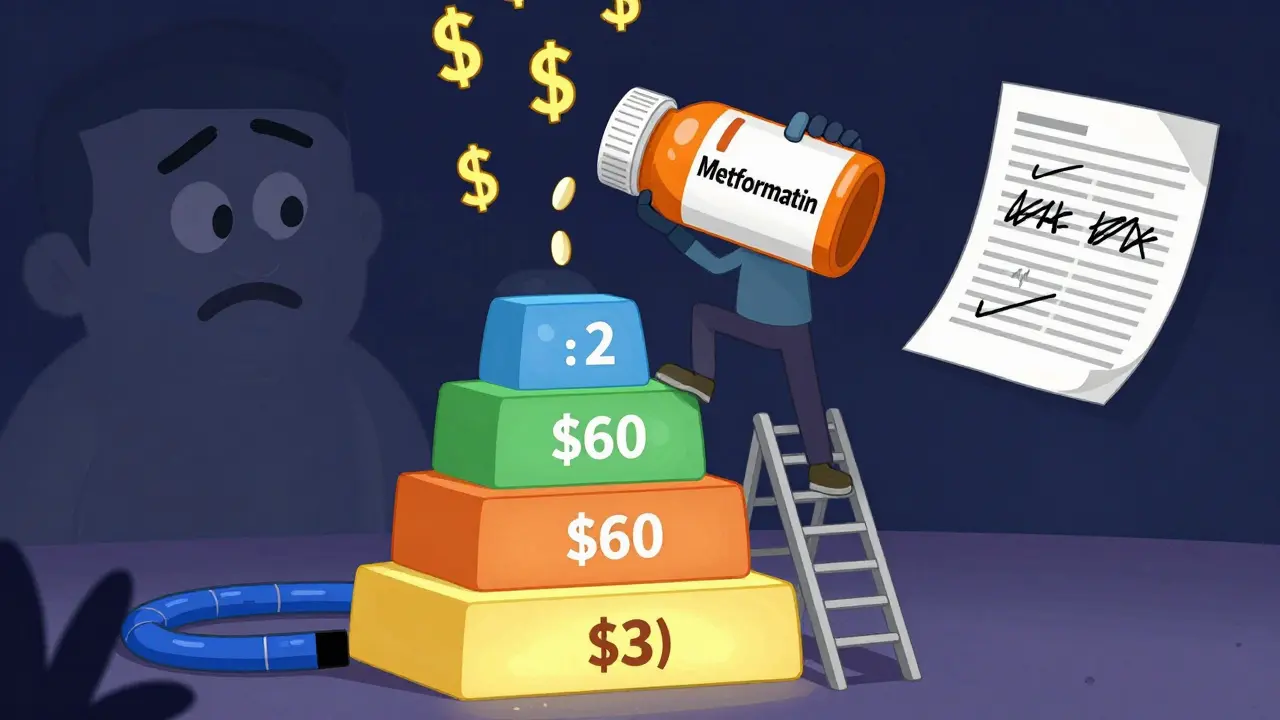
Switching health plans? Generic drug coverage can save you hundreds-or cost you thousands. Learn how to check your medications on a new plan’s formulary to avoid surprise costs.

Generic combination products simplify treatment by combining drugs and devices into one unit, improving adherence and cutting costs. Learn how they work, why they’re effective, and how to use them safely.
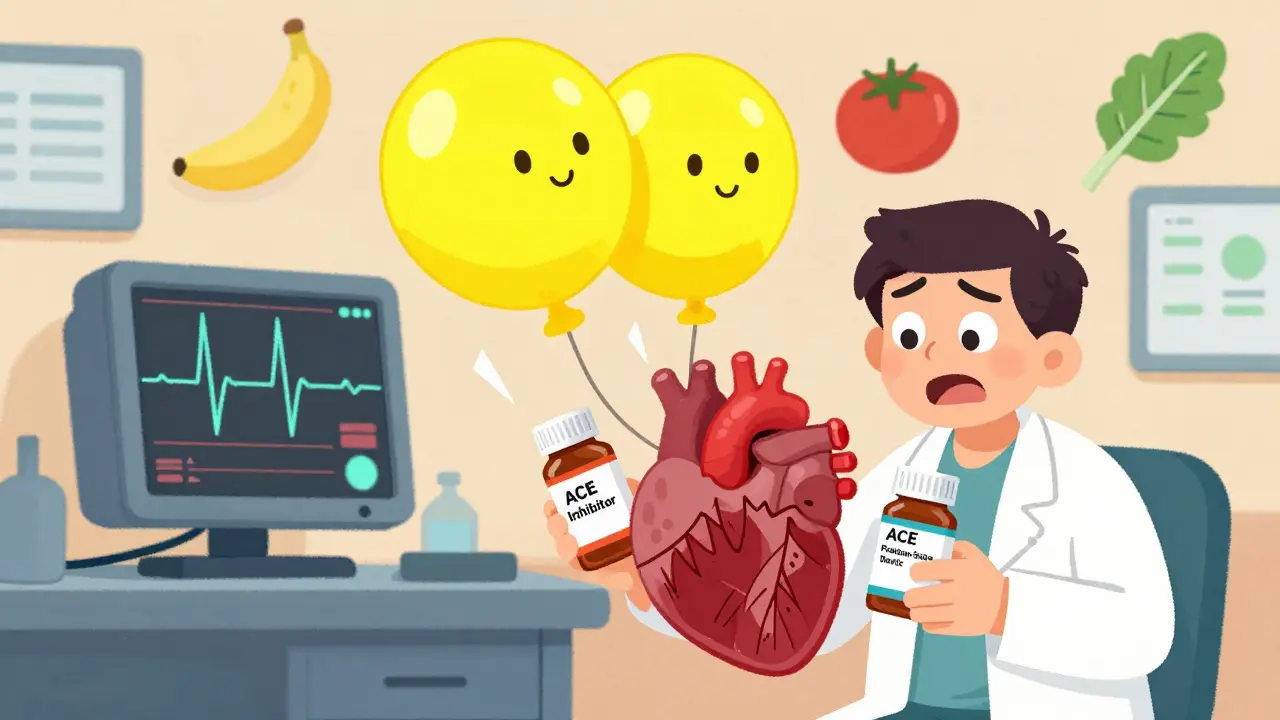
Combining ACE inhibitors and potassium-sparing diuretics can cause dangerous hyperkalemia. Learn who's at risk, how to monitor it, and what to do if your potassium levels rise-without stopping life-saving medications.
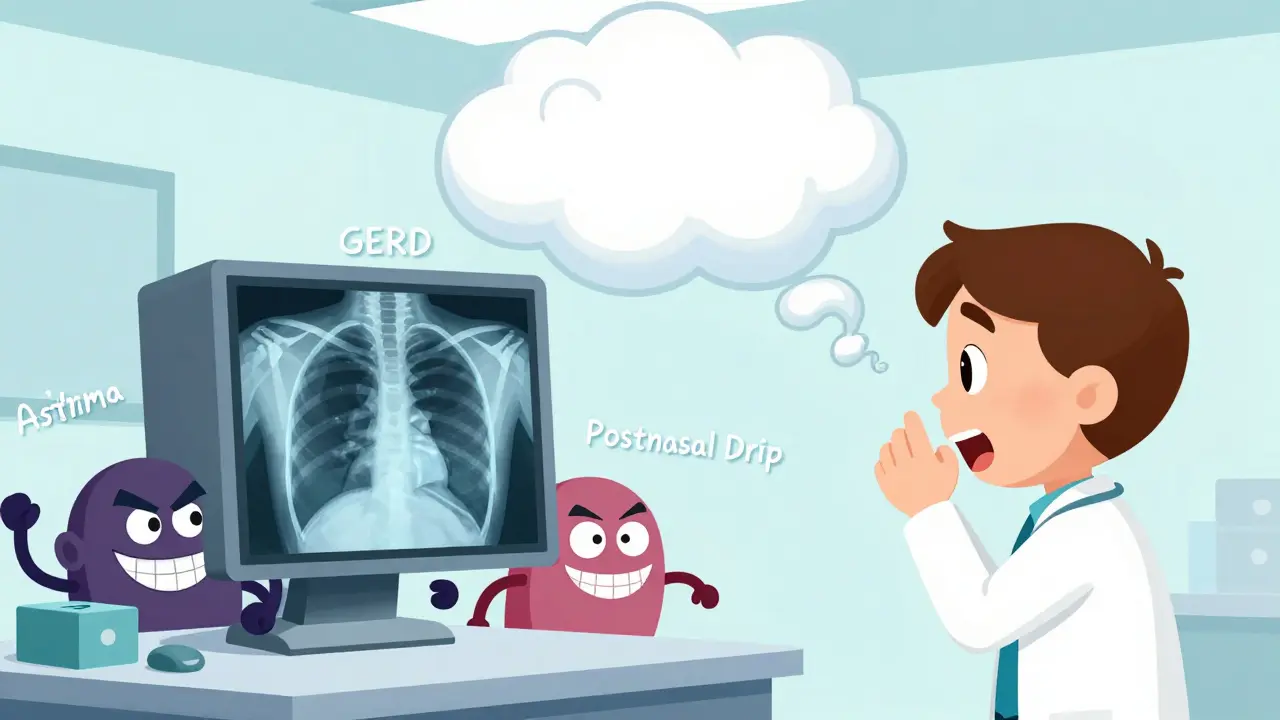
Chronic cough lasting over 8 weeks is usually caused by GERD, asthma, or postnasal drip. Learn how to diagnose and treat these three common triggers with evidence-based steps - no unnecessary tests needed.
 Health and Wellness