
Psychotropic Medication Weight Risk Calculator
When you start taking a psychotropic medication-whether it’s for depression, bipolar disorder, or schizophrenia-you’re not just treating your mind. You’re also changing how your body processes food, stores fat, and regulates hunger. For many people, the first sign something’s off isn’t a change in mood, but the scale creeping up. And it’s not just a few pounds. Some gain 10 kilograms or more in the first year. This isn’t about willpower. It’s biology.
Why Do Psychotropic Medications Cause Weight Gain?
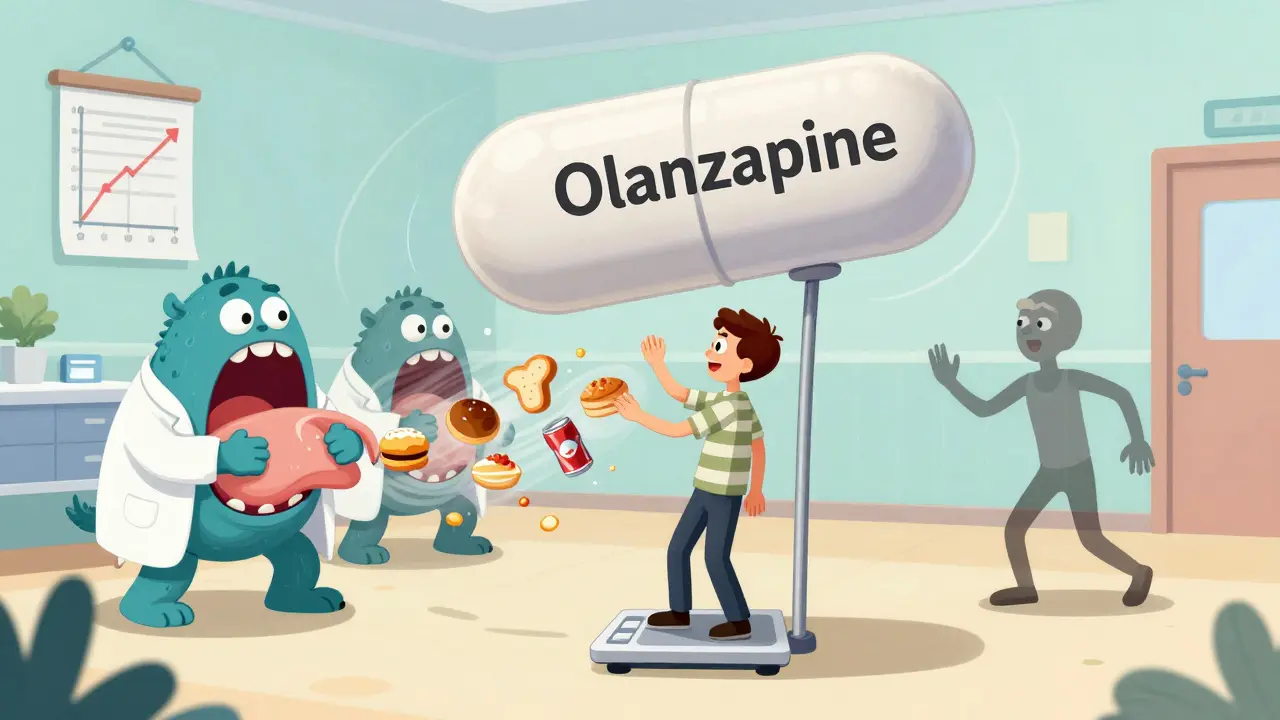
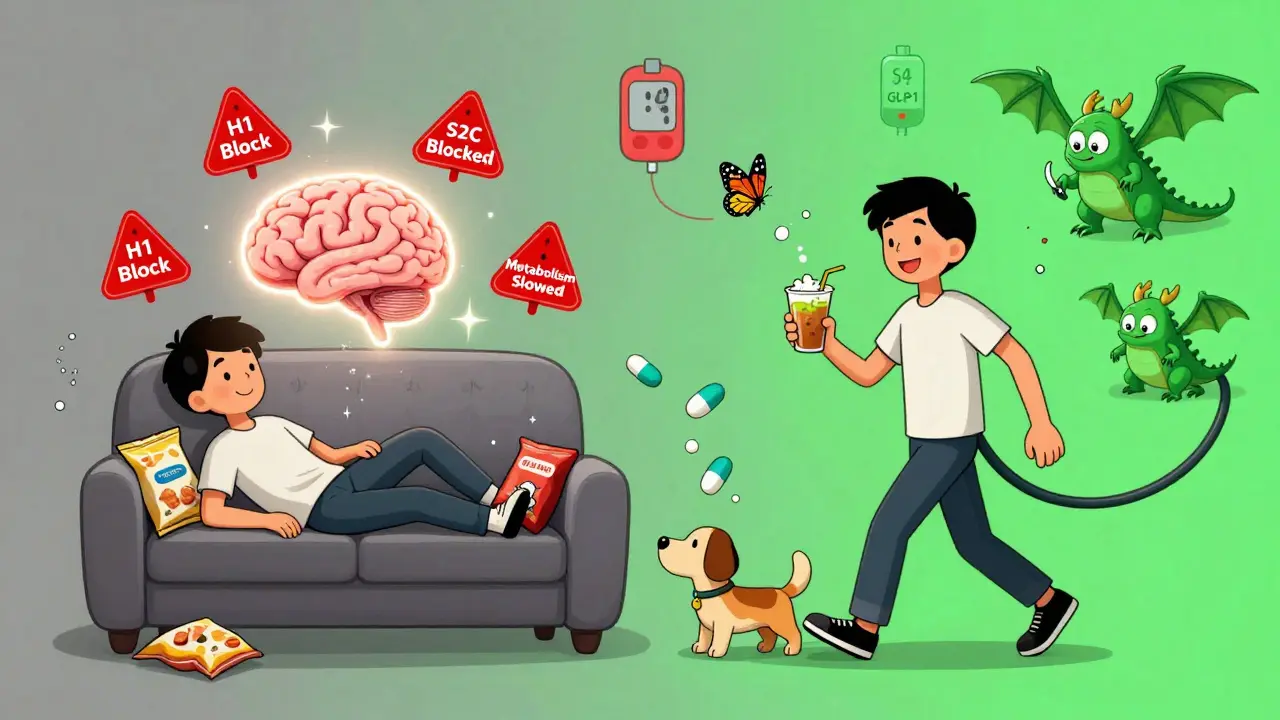
It’s not random. The weight gain comes from how these drugs interact with your brain’s chemical receptors. Antipsychotics like olanzapine and clozapine block histamine-1 and serotonin-2C receptors, which control appetite and satiety. The result? You feel hungrier, even after eating. Your body also slows down its metabolism, burning fewer calories at rest. Some drugs, like mirtazapine and amitriptyline, do the same thing-just less dramatically.
Studies show that within just 10 weeks of starting olanzapine, patients gain an average of 4 kilograms. By the end of a year, it’s not unusual to see 10 kilograms or more. Compare that to lurasidone or aripiprazole, where weight gain is barely above placebo levels. The difference isn’t subtle. It’s the reason some doctors now pick medications based on metabolic risk, not just symptom control.
It’s Not Just About the Scale
Weight gain isn’t just a cosmetic concern. It’s a life-threatening one. People with serious mental illness already live 10 to 20 years less than the general population. A big part of that gap comes from heart disease, type 2 diabetes, and high blood pressure-all worsened by medication-induced weight gain.
Psychotropic drugs don’t just make you heavier. They mess with your blood sugar, raise your cholesterol, and increase triglycerides. Together, these changes create metabolic syndrome. The CDC defines this as having three or more of: high waist circumference, high blood pressure, high fasting glucose, high triglycerides, and low HDL cholesterol. Up to half of people on high-risk antipsychotics develop it within two years.
And here’s the kicker: once you’re on these meds, losing weight gets harder. A 2016 study of 885 patients in a weight-loss program found that those on psychotropic drugs lost 1.6% less weight over 12 months than those not on them. Only 32% of medicated patients hit the 10% weight loss target, compared to 41% of others. The drugs make your body fight weight loss-even when you’re eating right and exercising.
Which Medications Are Worst (and Best) for Weight Gain?
Not all psychotropics are created equal. Here’s how they stack up based on real-world data:
| Medication Class | Medication | Average Weight Gain (First Year) | Risk Level |
|---|---|---|---|
| Second-Generation Antipsychotics | Clozapine | 7-10 kg | Very High |
| Second-Generation Antipsychotics | Olanzapine | 5-10 kg | Very High |
| Second-Generation Antipsychotics | Quetiapine | 3-6 kg | Moderate |
| Second-Generation Antipsychotics | Risperidone | 2-5 kg | Moderate |
| Second-Generation Antipsychotics | Aripiprazole | 0-2 kg | Low |
| Second-Generation Antipsychotics | Lurasidone | 0.5-1 kg | Very Low |
| Antidepressants | Mirtazapine | 3-7 kg | High |
| Antidepressants | Paroxetine | 2-5 kg | Moderate |
| Antidepressants | Fluoxetine | 0-1 kg | Low |
| Mood Stabilizers | Lithium | 3-8 kg | Moderate |
| Mood Stabilizers | Valproate | 4-9 kg | Moderate to High |
Notice something? Lurasidone, aripiprazole, and asenapine are the outliers. They’re newer, designed with metabolic safety in mind. If you’re starting treatment and have a history of obesity, diabetes, or heart disease, asking your doctor about these options isn’t being picky-it’s being smart.

What Can You Actually Do About It?
You have three real options: switch meds, add something to counter the weight gain, or change your lifestyle. All three can work-but only if you start early.
Option 1: Switch to a lower-risk medication
Switching from olanzapine to aripiprazole can cut weight gain by half. But it’s not simple. If your psychosis is well-controlled on a high-risk drug, switching might trigger a relapse. That’s why this decision needs to be made with your psychiatrist-not on your own. Some people stabilize on a lower-risk drug within weeks. Others need months. Your doctor should monitor you closely.
Option 2: Add metformin
Metformin, a diabetes drug, is now a go-to for preventing weight gain from antipsychotics. In clinical trials, people taking metformin gained 2-4 kg less than those on placebo. It works by improving insulin sensitivity and reducing appetite. It’s safe, cheap, and often covered by insurance. Side effects? Mostly mild stomach upset at first. Most people adjust.
Option 3: Lifestyle changes-non-negotiable
Exercise and diet matter more here than almost anywhere else. But you can’t just follow a generic weight-loss plan. Psychotropic meds make you tired. They make you crave carbs. They make you feel hopeless. A standard gym membership won’t cut it.
Successful programs include:
- Weekly sessions with a dietitian who understands psychiatric meds
- Meal plans that account for increased hunger (e.g., high-protein snacks between meals)
- Low-impact exercise like walking, swimming, or yoga-started slowly, built up gradually
- Behavioral therapy to address emotional eating triggered by anxiety or depression
A 2018 study showed that patients working with a team of psychiatrist, dietitian, and exercise physiologist lost twice as much weight as those getting standard care. The key? Consistency. Not perfection.
What About Newer Treatments?
There’s hope on the horizon. GLP-1 receptor agonists-drugs like semaglutide (Wegovy) and tirzepatide (Zepbound)-were made for diabetes and obesity. Now, early trials show they help people on antipsychotics lose 5-8% of their body weight. That’s huge. But they’re expensive, and insurance rarely covers them for psychiatric patients yet.
There’s also digital help. The FDA-cleared Moodivator app tracks food, mood, and activity. In a 2022 trial, users lost 3.2% more weight than those without the app. It’s not magic, but it’s a tool that works when combined with human support.
And soon, genetics might help. Researchers have found that people with certain variations in the MC4R gene are much more likely to gain weight on antipsychotics. In the next five years, blood tests could tell you which meds are safest for *you* before you even start.
What Should You Do Right Now?
If you’re on a psychotropic medication and you’ve gained weight:
- Don’t stop your medication. That’s dangerous.
- Ask your doctor for a baseline metabolic panel: weight, waist size, blood sugar, cholesterol, triglycerides.
- Request a referral to a dietitian who’s worked with psychiatric patients.
- Ask if metformin is an option.
- Start walking 20 minutes a day. Five days a week. That’s it.
- Track your progress-not just on the scale, but in energy, sleep, and mood.
Weight gain from psychotropic meds isn’t your fault. But managing it? That’s something you can control-with the right support.
Why This Matters Beyond the Scale
When you gain weight on these drugs, you don’t just lose inches-you lose hope. People stop taking their meds because they can’t stand how they look or feel. That’s how relapses happen. That’s how hospitalizations start.
But when people feel heard, supported, and given real tools, they stick with treatment. They live longer. They get better. Weight management isn’t a side note in psychiatric care. It’s part of the treatment.
Can I lose weight while taking antipsychotics?
Yes, but it’s harder. Psychotropic medications make your body resist weight loss by increasing appetite, slowing metabolism, and altering insulin response. Success requires a tailored approach: combining medication adjustments (like adding metformin), structured nutrition, and consistent, low-intensity exercise. Many people do lose weight-especially with support from a dietitian and psychiatrist who understand the challenge.
Which antidepressants cause the most weight gain?
Mirtazapine, amitriptyline, nortriptyline, paroxetine, and phenelzine are the most likely to cause weight gain. Mirtazapine is especially known for increasing appetite. Fluoxetine and bupropion are the exceptions-they’re often weight-neutral or even linked to slight weight loss. If weight is a concern, talk to your doctor about alternatives before starting.
Is weight gain from antipsychotics permanent?
Not always. Weight gained early in treatment can often be reversed with lifestyle changes and medications like metformin. Some people lose weight after switching to a lower-risk antipsychotic like aripiprazole or lurasidone. The longer you wait, the harder it gets-so early intervention is key. Even small losses (5-10% of body weight) can significantly improve blood sugar and blood pressure.
Does lithium cause weight gain?
Yes. Lithium, a common mood stabilizer for bipolar disorder, causes weight gain in about 50% of users. The average gain is 3-8 kg over the first year. It’s thought to be due to increased thirst, fluid retention, and changes in thyroid function. Regular thyroid tests and limiting salty foods can help. Metformin is also used off-label to counter this effect.
How often should I get my weight and metabolic health checked?
The American Psychiatric Association recommends checking weight, waist circumference, blood pressure, fasting glucose, and cholesterol at the start of treatment, then every three months. Many clinics now do this automatically. If your doctor isn’t offering this, ask. Early detection of rising blood sugar or cholesterol can prevent diabetes and heart disease down the road.
Can I use weight-loss supplements with psychotropic meds?
Avoid over-the-counter weight-loss supplements. Many contain stimulants or unregulated ingredients that can interact dangerously with psychiatric medications-triggering anxiety, high blood pressure, or even serotonin syndrome. Stick to evidence-backed approaches: metformin, GLP-1 agonists (if prescribed), diet, and exercise. Always check with your doctor before trying anything new.
Final Thought: You’re Not Alone
Weight gain on psychotropic meds is one of the most common reasons people stop taking life-saving treatment. But it doesn’t have to be that way. With the right team-psychiatrist, dietitian, therapist-you can manage your mental health *and* your weight. You don’t have to choose one over the other. The goal isn’t to be thin. It’s to be healthy. And that’s possible.
 Health and Wellness
Olivia Goolsby
December 27, 2025 AT 22:35So let me get this straight-you’re telling me Big Pharma designed these drugs to make us fat so we’ll need MORE meds for diabetes and heart disease? Of course they did! They’re not doctors-they’re accountants with stethoscopes. And don’t even get me started on metformin-it’s just a Band-Aid on a bullet wound! The real solution? Get off the pills entirely. Natural remedies. Fasting. Cold showers. The FDA doesn’t want you to know this-but I do. I’ve been off all psychotropics for 14 months now. My weight? Down 47 pounds. My mood? Better than ever. They can’t patent a kale smoothie, can they?
Alex Lopez
December 29, 2025 AT 10:37While I appreciate the thoroughness of this post-and the evidence-based approach to metabolic risk stratification-it’s worth noting that the clinical utility of switching antipsychotics must be weighed against relapse risk, particularly in treatment-resistant cases. Metformin remains a first-line adjunct, per the 2020 CANMAT guidelines, and lifestyle interventions, while underutilized, demonstrate statistically significant outcomes when delivered with multidisciplinary support. That said, the inclusion of GLP-1 agonists as emerging options is both timely and promising.
Robyn Hays
December 31, 2025 AT 03:03I love how this post doesn’t just dump facts-it gives you a roadmap. Like, wow. Most people think it’s ‘just willpower,’ but no. It’s biology, it’s neurochemistry, it’s systemic. And the part about emotional eating? YES. I used to binge on carbs after my therapist said, ‘You’re not sad, you’re exhausted.’ Turns out, my meds were turning my brain into a carb-craving monster. I started walking with my dog every morning-just 15 minutes-and now I don’t feel like a traitor to my own body. Also, metformin was a game-changer. Not a miracle, but a teammate.
Liz Tanner
December 31, 2025 AT 11:48This is so important. I was on olanzapine for three years and gained 32 pounds. No one warned me. I thought I was failing. I wasn’t. It was the drug. I switched to aripiprazole, started metformin, and found a dietitian who actually understood mental illness. I lost 18 pounds in six months. Not because I’m disciplined-I’m not. But because I had the right tools. If you’re reading this and you’re struggling? You’re not lazy. You’re medicated. And you deserve better.
Babe Addict
January 1, 2026 AT 15:38Let’s be real-this whole ‘metabolic syndrome’ narrative is just a distraction. The real issue is that SSRIs and antipsychotics are just glorified sedatives. They’re not treating psychosis-they’re chemically tranquilizing people so they don’t disrupt the system. The weight gain? That’s just collateral damage from institutionalized suppression. Also, GLP-1 agonists? That’s just pharma’s next revenue stream. They’ll market it as ‘precision medicine’ while pricing it out of reach for the very people who need it. Classic.
Kishor Raibole
January 3, 2026 AT 01:40It is with profound respect for the scientific rigor demonstrated herein that I must offer a counterpoint rooted in the cultural ethos of my homeland: in Nigeria, we do not view weight gain as pathology, but as a sign of prosperity, of healing, of being cared for. The Western obsession with BMI and waist circumference is, in many ways, a colonial imposition. When I was prescribed lithium, my family celebrated-I was finally ‘getting better.’ The scale was not my enemy. The stigma was. Perhaps the real treatment is not in metformin, but in redefining wellness beyond the gaze of Western medicine.
Liz MENDOZA
January 3, 2026 AT 08:42I just want to say thank you for writing this. I’ve been on mirtazapine for five years and felt so alone in this. I thought I was the only one who cried in the grocery store because I couldn’t stop buying chips even though I hated how I felt afterward. I started a support group at my clinic-just five of us, meeting once a week. We don’t talk about weight. We talk about how hard it is to feel like yourself when your body doesn’t feel like yours anymore. You’re not alone. We’re here.
Anna Weitz
January 3, 2026 AT 21:01Metformin is not a cure it’s a bandaid on a broken system and the system is broken because we treat mental illness like a math problem you add drugs subtract weight but the soul doesn’t have a BMI and the soul doesn’t care about your triglycerides
Kylie Robson
January 4, 2026 AT 01:20Actually, the data on lurasidone’s metabolic profile is overstated. The 2021 meta-analysis by Chen et al. showed a 1.2 kg gain at 52 weeks, not 0.5–1 kg, and the confidence interval overlaps with placebo in subpopulations with BMI >30. Also, GLP-1 agonists have a 12% dropout rate due to GI side effects-this is not a silver bullet. And ‘Moodivator’? It’s just a glorified food diary with gamification. No RCT proves it improves long-term adherence beyond standard care. You’re all missing the point: we need pharmacogenomic screening before prescribing, not post-hoc damage control.
Caitlin Foster
January 5, 2026 AT 12:50OMG YES. I switched from olanzapine to lurasidone and my jeans went from ‘I need a new wardrobe’ to ‘I can wear my high school jeans again’-I cried in Target. Also, metformin gave me the energy to start walking. Not because I wanted to lose weight-because I wanted to feel like I could breathe again. You’re not broken. You’re just on the wrong drug. And it’s okay to ask for a change.
Nikki Thames
January 7, 2026 AT 01:54It is a moral failing, not a medical one, when individuals allow themselves to become obese under the guise of psychiatric treatment. Willpower is not a myth-it is the foundation of human dignity. If you cannot control your appetite, you cannot control your mind. The solution is not more drugs or apps-it is discipline. Fasting. Self-mastery. You are not a victim of biology. You are a soul in a body, and if you choose to surrender to gluttony, you surrender your humanity.
Chris Garcia
January 8, 2026 AT 14:09In my village in Nigeria, we say: ‘When the mind is heavy, the body remembers.’ This post speaks truth-but I wish it spoke more of community. In the West, we isolate people and then blame them for gaining weight. In my culture, when someone starts a new medicine, the whole family cooks with them. We eat together. We walk together. We don’t label it ‘metabolic syndrome’-we call it ‘healing together.’ Maybe the real medicine isn’t in the pill… but in the pot.
James Bowers
January 9, 2026 AT 17:02The data presented is largely anecdotal and lacks rigorous statistical controls. The cited studies are observational and subject to confounding variables such as baseline BMI, dietary intake, and physical activity levels. Furthermore, the assertion that ‘weight gain is not about willpower’ is contradicted by behavioral economics literature demonstrating that environmental cues and cognitive load significantly influence eating behavior. This post, while well-intentioned, dangerously oversimplifies a complex biopsychosocial phenomenon.
Will Neitzer
January 10, 2026 AT 20:12I’ve been on lithium for 12 years. Gained 28 pounds. Thought I was broken. Then I found a psychiatrist who said, ‘Let’s try metformin and see what happens.’ We did. I lost 16 pounds. I didn’t ‘fix’ myself-I just got the right help. And now, I help others. I run a weekly Zoom group for people on mood stabilizers. We don’t judge. We don’t shame. We just say: ‘You’re not alone. And you’re not lazy.’ That’s all it takes. Sometimes, that’s everything.
Janice Holmes
January 11, 2026 AT 18:00Okay but what if I’m on clozapine and I’m stable? What if switching means I go back to hearing voices? What if my life is a tightrope and this weight is the only thing holding me up? You talk about ‘low-risk’ meds like they’re just different flavors of ice cream. But for some of us, the ‘high-risk’ med is the only thing keeping us alive. So don’t tell me to ‘just switch.’ Tell me how to survive with both the voices and the weight.
Olivia Goolsby
January 13, 2026 AT 03:06And that’s why they don’t want you to know about the underground protocols-intermittent fasting + red light therapy + magnesium glycinate. I lost 52 pounds on a regimen no doctor will admit works. They call it ‘anecdotal.’ I call it freedom. The system wants you dependent. I’m not. I’m awake.