
When you take a pill, you expect it to help—not hurt. But medication errors, mistakes in prescribing, dispensing, or taking drugs that lead to harm. Also known as drug errors, they’re one of the leading causes of preventable injury in hospitals and homes alike. These aren’t just rare accidents. They happen every day—in emergency rooms, nursing homes, pharmacies, and even in your own medicine cabinet.
Some errors come from simple human slips: a nurse misreads a handwriting note, a parent gives a child the wrong dose because the syringe wasn’t marked clearly. Others are deeper: pharmacist responsibilities, the legal and ethical duty to verify prescriptions and catch dangerous interactions before a drug leaves the counter are sometimes overlooked under pressure. Or consider drug-drug interactions, when two or more medicines clash in the body, causing side effects ranging from dizziness to organ failure. These aren’t theoretical—they’re why elderly patients end up in the ER, why newborns suffer brain damage from wrong doses, and why some people develop DRESS syndrome, a rare but deadly immune reaction to certain drugs that starts with a rash and can destroy organs.
It’s not just about who writes the prescription. It’s about how the system works—or doesn’t. A child gets the wrong dose because the label says "5 mL" but the parent misreads it as "5 tsp." A senior takes three blood pressure pills because the doctor didn’t update the list after switching brands. A generic drug looks identical to the brand, but the fillers trigger a reaction in someone with a rare allergy. These aren’t isolated cases. They’re patterns. And they’re fixable—if we know what to look for.
What you’ll find below isn’t a list of warnings. It’s a practical guide to spotting the red flags before they become emergencies. From how to safely split pills to avoid cost-cutting risks, to why pharmacists must follow strict rules when swapping generics, to how parents can prevent deadly dosing mistakes in kids—every article here comes from real cases, real data, and real people who learned the hard way. You don’t need to be a doctor to protect yourself. You just need to know what questions to ask, what to watch for, and where the system is most likely to fail.
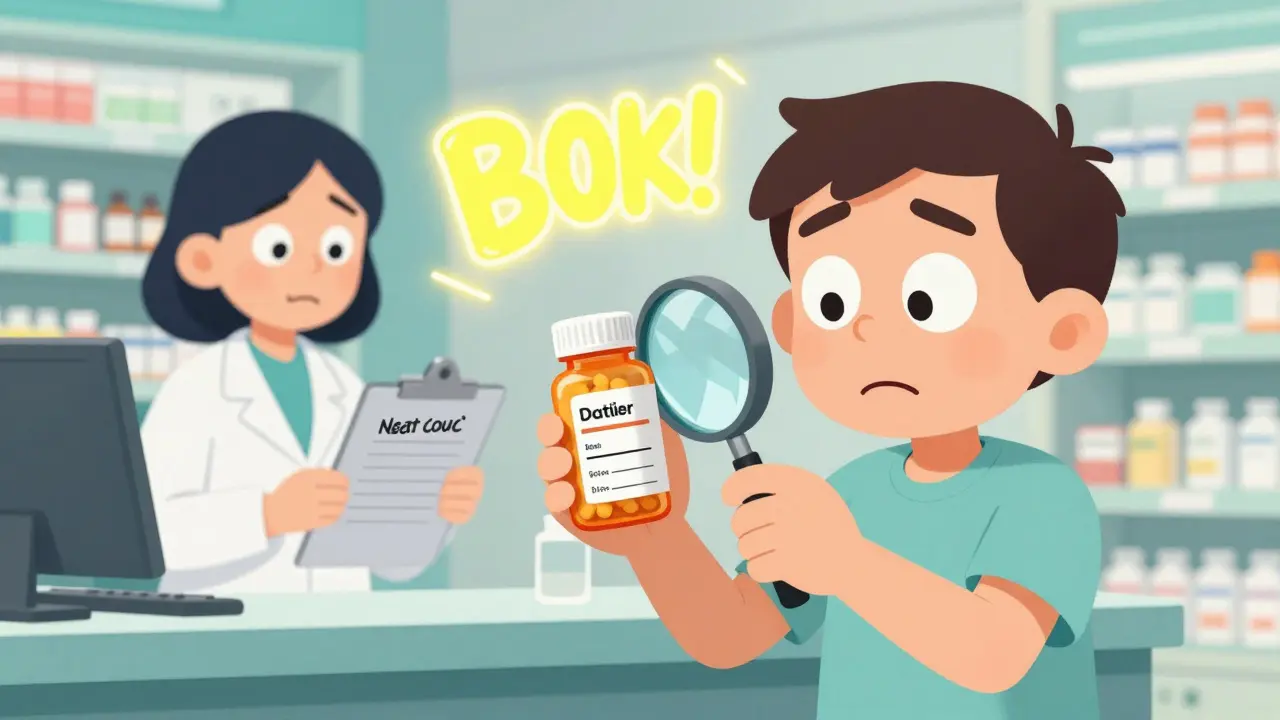
Learn how to verify your prescription at the pharmacy with a simple, step-by-step checklist to catch medication errors before they hurt you. Protect yourself with these proven safety tips.
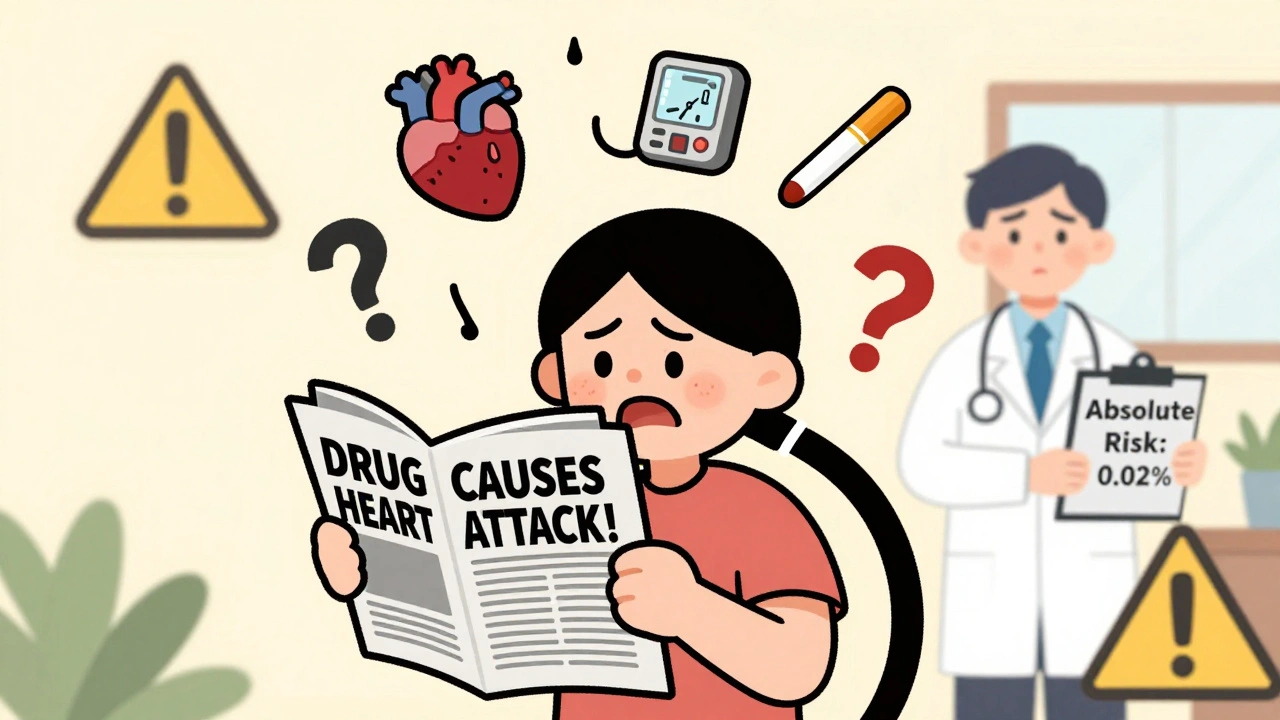
Learn how to spot misleading media reports about medication safety by checking study methods, understanding risk numbers, and verifying sources. Don't let fear drive your health choices - use facts instead.
 Health and Wellness