
When your body responds to a medicine in a way it wasn’t supposed to, that’s a drug reaction, an unexpected or harmful response to a medication that goes beyond normal side effects. Also known as an adverse drug reaction, it’s not just feeling a little nauseous—it can mean a rash, trouble breathing, liver damage, or even a life-threatening drop in blood pressure. These reactions don’t happen to everyone. One person takes the same pill and feels fine. Another ends up in the ER. Why? It’s often about your genes, your other meds, or how your immune system sees that drug—as a threat.
Allergic reaction to drugs, a type of immune system overreaction triggered by medication, is one of the most dangerous forms. Penicillin, sulfa drugs, and some seizure meds are common triggers. But not all drug reactions are allergic. Some are just toxic—like when NSAIDs silently eat away at your stomach lining, or when azathioprine wipes out your white blood cells because your body can’t break it down. That’s where pharmacogenomics, the study of how genes affect how your body responds to drugs comes in. Testing for TPMT or NUDT15 before starting azathioprine isn’t optional—it’s a lifesaver. It’s not magic. It’s math. Your DNA tells your doctor what dose is safe, or if you should avoid it entirely.
Drug reactions aren’t rare. They’re the third leading cause of death in U.S. hospitals. Most go unreported because people think it’s just "side effects" or blame themselves. But if you break out in hives after a new antibiotic, or your skin starts peeling after a fever medicine, that’s not normal. That’s a signal. The FDA’s MedWatch system exists so you can report it—and your report helps protect others. Generic drugs aren’t the problem. The problem is when we assume all reactions are the same across brands, or when doctors don’t ask about every pill you’re taking, especially in older adults on five or more meds.
Some reactions show up fast—minutes after swallowing a pill. Others creep in over weeks: a strange fatigue, jaundice, or unexplained bruising. That’s why tracking what you take, when you started it, and what changed is critical. If you’re on a new drug and something feels off, don’t wait. Write it down. Show it to your pharmacist. They see more drug interactions than your doctor does. And if you’re caring for an elderly parent or a child on meds, know the red flags: confusion, swelling, sudden rash, or trouble breathing. These aren’t "just side effects." They’re warnings.
Below, you’ll find real cases, clear explanations, and practical steps—not theory, not fluff. You’ll learn how to spot fake pills, when to split a pill safely, how to report a bad reaction, and why some people react to drugs their grandparents took without issue. This isn’t about fear. It’s about control. You have the right to understand what’s happening in your body. These posts give you the tools to do it.
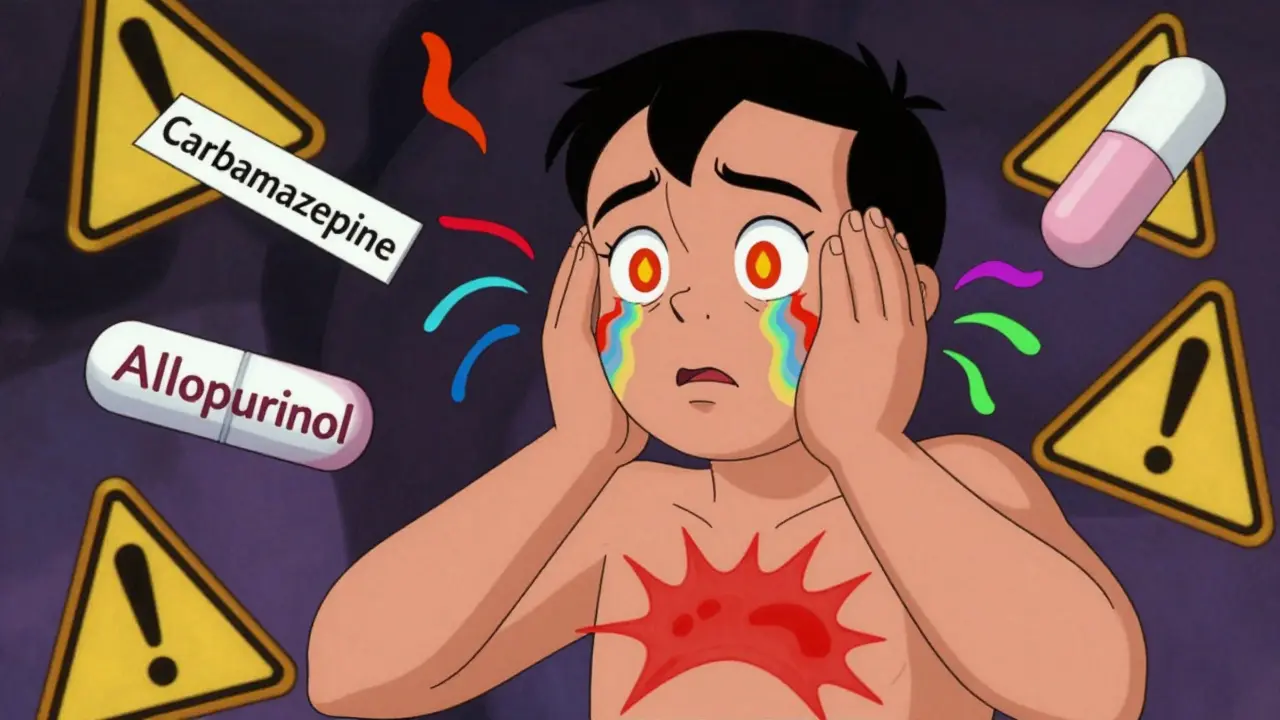
Stevens-Johnson Syndrome and Toxic Epidermal Necrolysis are rare but deadly drug reactions that cause skin and mucous membrane damage. Learn the warning signs, top triggers, genetic risks, and how to prevent them.
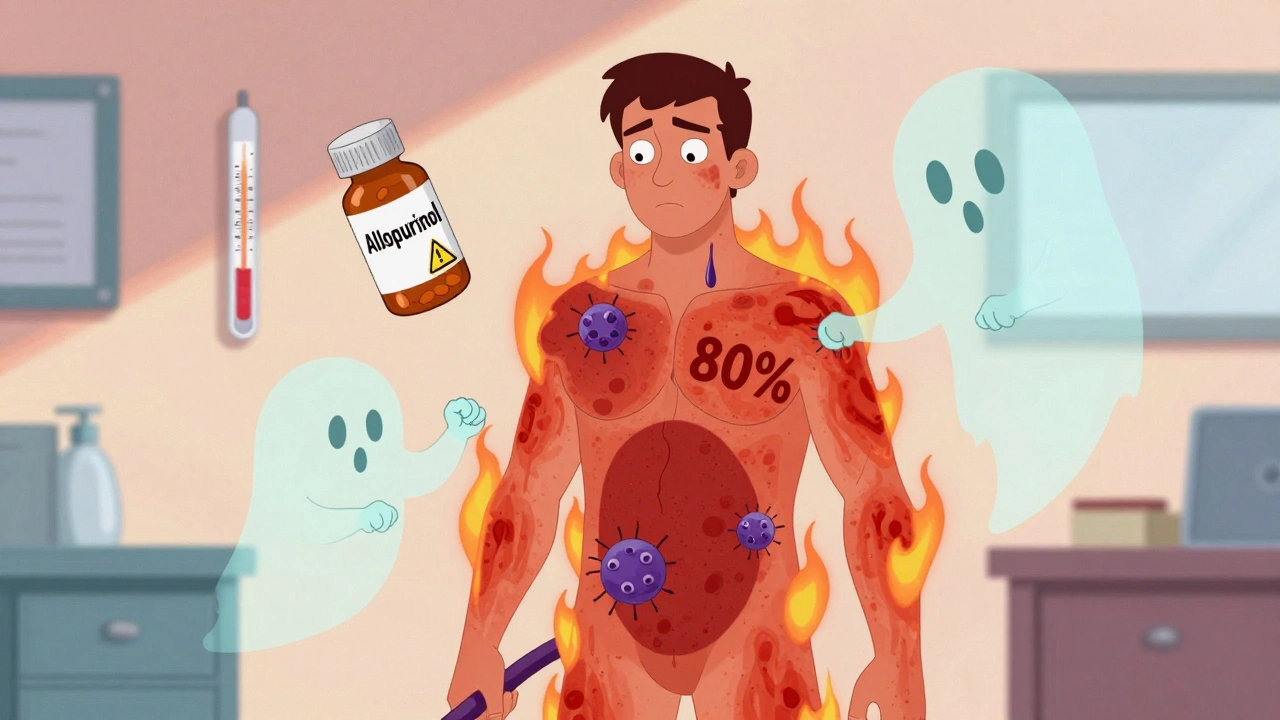
DRESS syndrome is a rare but deadly drug reaction that causes rash, fever, organ damage, and eosinophilia. Often misdiagnosed, it requires immediate treatment. Learn the signs, triggers, and how to prevent it.
 Health and Wellness