
When someone uses opioids like heroin, fentanyl, or prescription painkillers, the risk of opioid overdose, a life-threatening condition where breathing slows or stops due to opioid use. Also known as drug overdose, it happens faster than most people expect — sometimes in minutes. You don’t need to be a heavy user to be at risk. Even someone taking their prescribed dose can accidentally overdose if they mix it with alcohol, benzodiazepines, or street drugs laced with fentanyl.
One of the biggest dangers is that fentanyl, a synthetic opioid 50 to 100 times stronger than morphine is now mixed into pills that look like legitimate painkillers or even Xanax. People don’t know they’re taking it. That’s why naloxone, a medication that can reverse an opioid overdose within minutes is now carried by first responders, pharmacies, and even friends and family. It’s not a cure — it’s a bridge to emergency care. And it works fast. If someone is unresponsive, not breathing, or has blue lips, give naloxone right away. Then call 911. No matter what, never wait.
Preventing an overdose isn’t just about having naloxone on hand. It’s about recognizing the signs before it’s too late. Slurred speech, pinpoint pupils, slow or shallow breathing, and extreme drowsiness are red flags. People who use opioids alone are at the highest risk. That’s why using with someone else — even if they’re not trained — can save a life. Also, never mix opioids with alcohol or sleep aids. That combo is a silent killer.
Many people think overdose only happens to those with addiction. But it doesn’t work that way. Someone taking opioids after surgery, or someone who relapses after months clean, can both overdose. The body loses tolerance. A dose that once felt normal can now be fatal. That’s why education matters more than judgment. If you or someone you care about uses opioids, learn how to use them safely. Store them out of reach of kids. Never share pills. And always keep naloxone nearby.
There’s no shame in preparing. Keep naloxone in your car, your purse, your medicine cabinet. Know where to get it — many pharmacies sell it without a prescription. Some community centers and clinics offer free training and kits. You don’t need to be a doctor to use it. It’s simple: remove the cap, spray into the nose, or inject into the thigh. Then wait. If there’s no response in 2-3 minutes, give a second dose. Keep doing it until help arrives.
What you’ll find below are real, practical posts that break down exactly how to spot the signs of an overdose, how naloxone works, why fentanyl is so dangerous, and what steps you can take right now to protect yourself or someone you love. No fluff. No theory. Just what works.
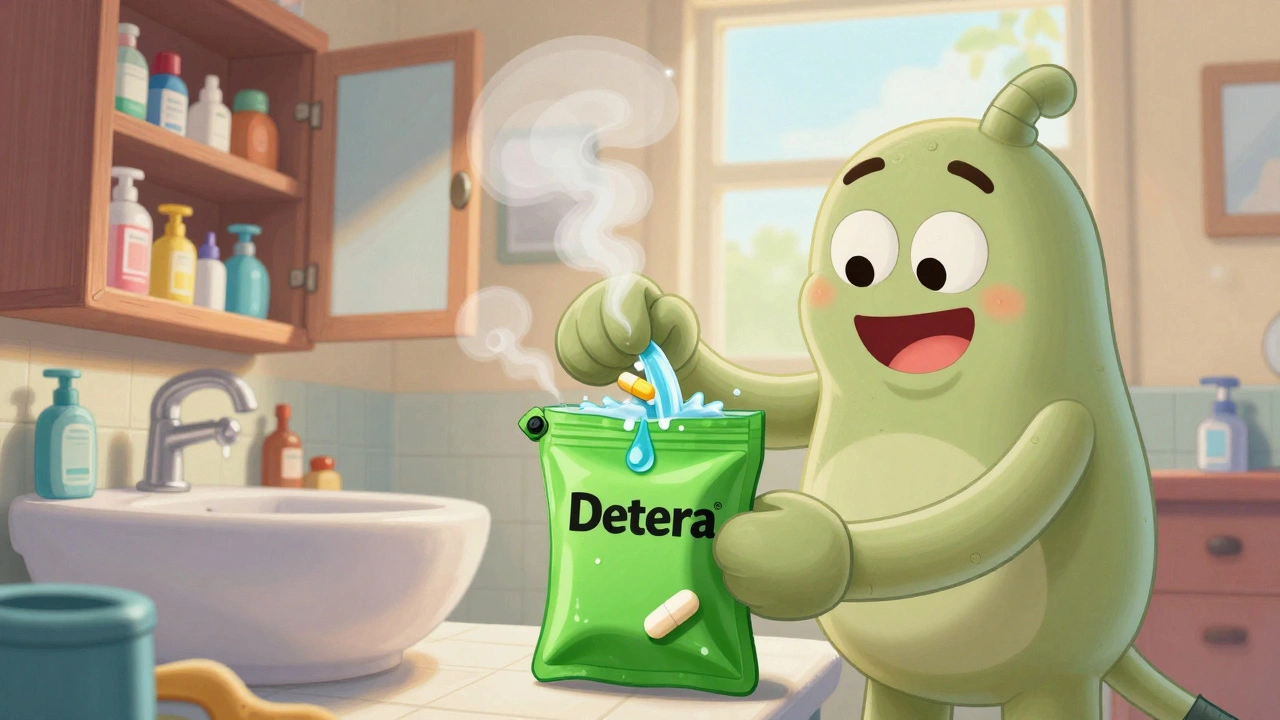
Learn the safest, most effective ways to dispose of unused opioids to prevent misuse, accidental overdose, and addiction. From take-back programs to deactivation pouches, here's what works - and what doesn't.
 Health and Wellness