
When you pick up a prescription, the pharmacist, a licensed healthcare professional trained to manage medications and ensure safe use. Also known as community pharmacist, it plays a critical role in preventing harm, answering questions, and making sure your drugs actually work for you. Most people think pharmacists just count pills. But their real job is much bigger — they’re the last line of defense before a medication reaches you.
Pharmacist responsibilities include checking for drug interactions, when two or more medicines react in harmful ways, like mixing blood thinners with NSAIDs and risking internal bleeding. They spot dangerous doses in kids, flag expired drugs, and catch typos in prescriptions that could kill. They also know which generics are safe to switch to — and which ones aren’t. In emergency rooms, where 31% of pediatric doses contain errors, pharmacists are often the ones who stop a mistake before it reaches a child.
They don’t just hand you a bottle. They explain how to take it, what side effects to watch for, and when to call a doctor. That’s patient counseling, the process of giving clear, personalized advice about medications. It’s not optional — it’s required. And it’s not just about pills. Pharmacists help people manage chronic conditions like hepatitis B with tenofovir, warn about DRESS syndrome from rare drug reactions, or guide someone on safely disposing of opioids to prevent overdose. They know that azathioprine can wipe out blood cells if you don’t get tested for TPMT first. They understand that a pill splitter might save money — but only if the drug can be split safely.
Behind every prescription is a chain of decisions. A pharmacist checks the FDA’s MedWatch database for new safety alerts. They track recalls. They know which counterfeit pills are flooding the market. They use tools like the Beers Criteria and STOPP to protect seniors from dangerous polypharmacy. They don’t wait for you to ask. They look at your full list of meds — including supplements — and speak up when something doesn’t add up.
That’s why pharmacist responsibilities matter. It’s not about being the person who hands you your medicine. It’s about being the person who makes sure you don’t get hurt by it. Below, you’ll find real stories and practical guides on how medications go wrong, how to spot red flags, and how pharmacists help prevent disasters before they happen.
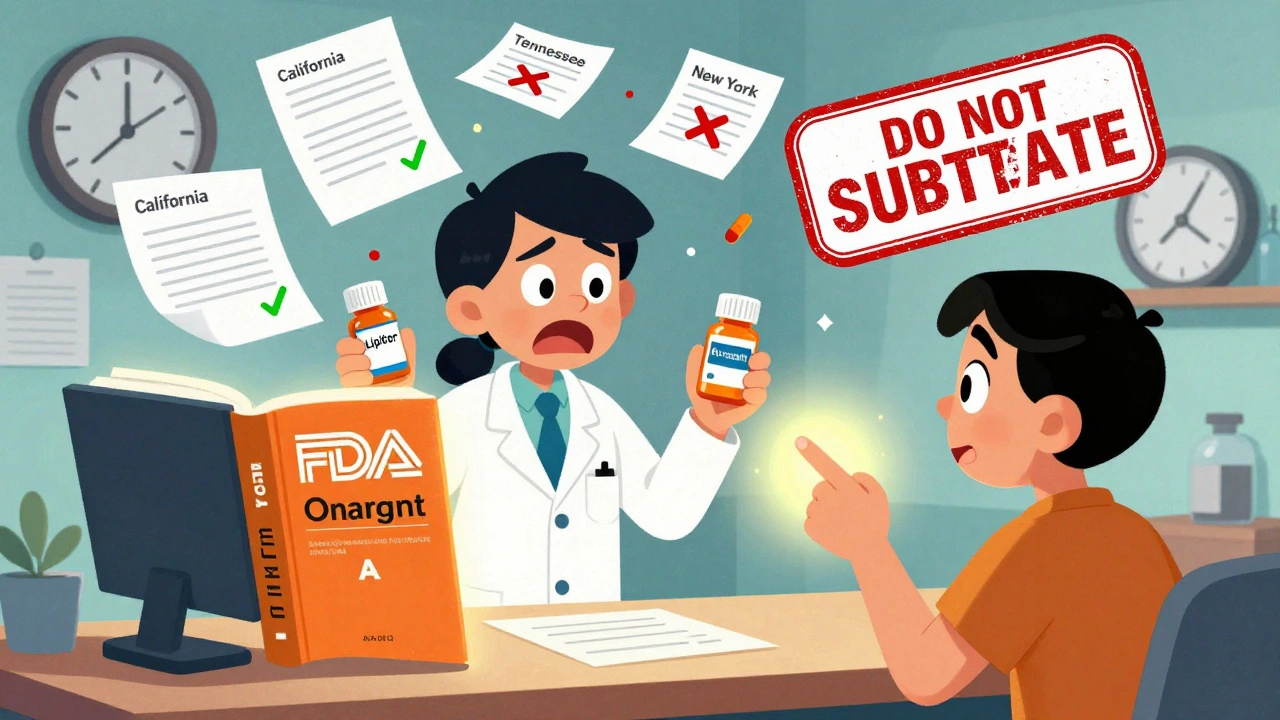
Pharmacists must follow complex state and federal laws when dispensing generic medications. Learn the legal obligations around substitution, consent rules, restricted drugs, documentation requirements, and how state laws vary across the U.S.
 Health and Wellness