
When a generic drug company files an Paragraph IV challenge, a legal notice filed under the Hatch-Waxman Act to contest a brand-name drug’s patent. Also known as a certification of patent invalidity, it’s the main way generic manufacturers can bring cheaper versions of drugs to market before the original patent expires. This isn’t just paperwork—it’s a high-stakes move that can save patients thousands and shake up the entire pharmaceutical industry.
The Hatch-Waxman Act, a 1984 U.S. law that balances patent protection with generic drug access created the system that makes Paragraph IV challenges possible. Under this law, generic makers submit an ANDA, Abbreviated New Drug Application, a streamlined filing to prove a generic version is equivalent to the brand drug. If they believe the brand’s patent is invalid, unfair, or won’t be infringed, they file a Paragraph IV certification. That triggers a 45-day window for the brand company to sue. If they do, the FDA can’t approve the generic for 30 months—unless the court rules in favor of the generic maker first. Many generics win these cases. When they do, they get 180 days of exclusive market access, which means they’re the only generic on the market and can charge less than the brand but more than later generics.
This system isn’t perfect. Some brand companies pay generics to delay entry—a practice called "pay-for-delay"—which the FTC has fought for years. Others file dozens of weak patents just to extend protection, a tactic known as "patent thickets." But when Paragraph IV challenges work as intended, they force competition. For example, when a generic company challenged the patent on Lipitor, the world’s best-selling drug at the time, it led to billions in savings for U.S. healthcare. The same thing happened with drugs like Nexium, Plavix, and Singulair.
You’ll find posts here that dig into how this affects real people. Some explain how pharmacists handle generic substitution when a Paragraph IV challenge is active. Others show how patients benefit when prices drop overnight. There are also pieces on how drug safety reporting changes when multiple generics hit the market, and how insurance plans shift their formularies when a new generic wins exclusivity. You’ll see how this legal tool connects to everything from pill splitting to generic drug acceptance—and why it matters whether your next prescription is the brand or the copy.
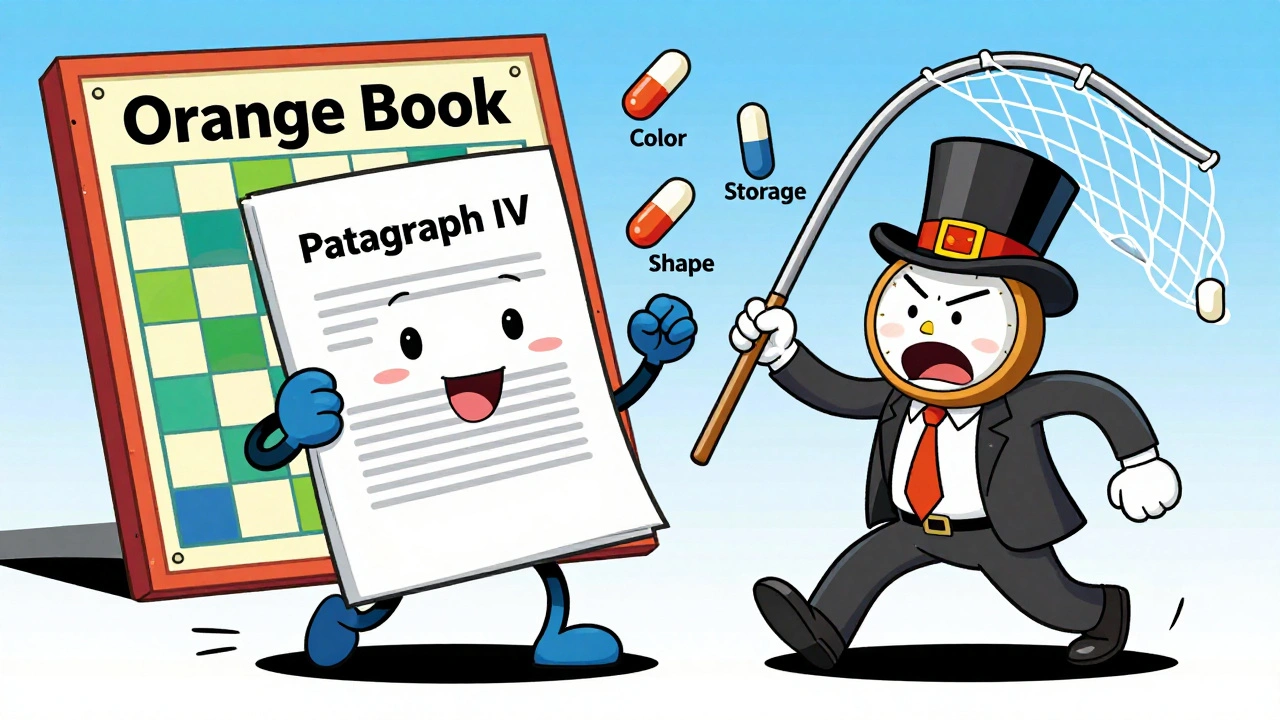
Paragraph IV patent challenges let generic drug makers legally fight brand patents to bring cheaper drugs to market. Under the Hatch-Waxman Act, these challenges have saved U.S. consumers over $1.2 trillion since 1990.
 Health and Wellness