
When a drug has a narrow therapeutic index, a small difference between a safe dose and a toxic one. Also known as narrow therapeutic range drugs, these medications leave almost no room for error—take a little too much, and you risk poisoning; take too little, and the treatment fails. Think of it like walking a tightrope: one misstep, and the consequences can be life-threatening.
These drugs include common ones like warfarin, a blood thinner where even tiny changes in dose can cause dangerous bleeding or clots, digoxin, used for heart rhythm problems but easily toxic if kidney function dips, and phenytoin, an anti-seizure drug that builds up in the body over time. They’re not rare—they’re essential. But they demand precision. That’s why pharmacists check your labs, doctors adjust doses slowly, and genetic tests like TPMT testing, used before starting azathioprine to avoid fatal blood cell loss are becoming standard. Your genes, your age, your other meds, even what you eat—all of it affects how your body handles these drugs.
Many people don’t realize how often these drugs cause harm. A single wrong dose in a hospital can trigger organ failure. In older adults taking multiple pills, interactions with common NSAIDs or antibiotics can push levels into the danger zone. That’s why narrow therapeutic index drugs require extra attention: regular blood tests, clear labeling, and open conversations with your care team. You can’t just take them and forget. You need to track symptoms, know the warning signs, and ask questions when something feels off.
The posts below cover real stories and practical tools to help you stay safe. From how pharmacists verify generic substitutions under federal law, to why genetic testing prevents deadly reactions, to how elderly patients avoid dangerous interactions—each article gives you something you can use. Whether you’re managing one of these drugs yourself or helping someone who is, this collection gives you the facts you need to avoid mistakes and speak up when something doesn’t feel right.
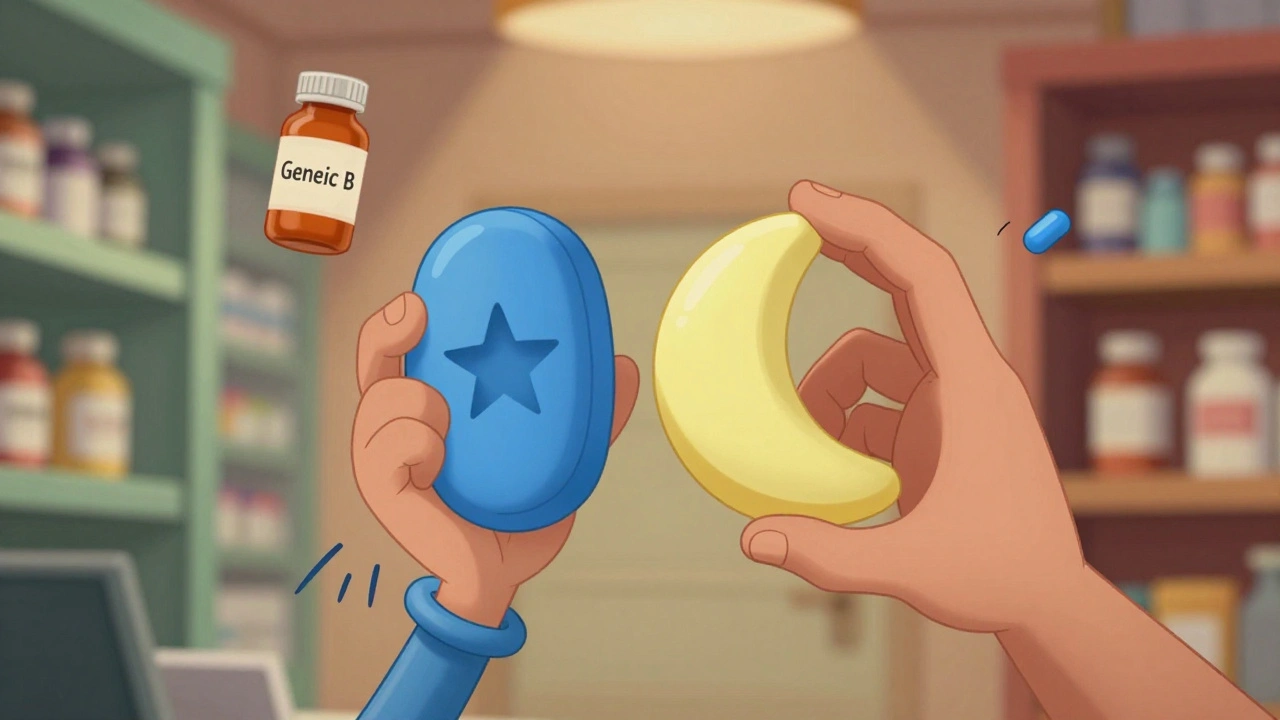
Switching to generic medications can cause side effects for some people, especially with drugs that have a narrow therapeutic index. Learn which medications are most risky, what symptoms to watch for, and how to protect yourself from harmful switches.
 Health and Wellness