
When your immune system turns against your own body, it can cause serious damage—attacking joints, skin, nerves, or organs. That’s where immunosuppressants, drugs that reduce the activity of the immune system to prevent it from attacking healthy tissue. Also known as anti-rejection drugs, they’re essential for people with autoimmune conditions like multiple sclerosis or those who’ve had organ transplants. These aren’t antibiotics or painkillers. They don’t kill germs. Instead, they quietly dial down the body’s defense system so it doesn’t go rogue.
Think of your immune system like a security team. Normally, it spots invaders—viruses, bacteria—and takes them out. But in autoimmune diseases, it mistakes your own cells for threats. In transplant patients, it sees the new organ as an intruder. Azathioprine, a common immunosuppressant used for rheumatoid arthritis, lupus, and post-transplant care works by slowing down the production of immune cells. Autoimmune disease, a group of conditions where the immune system attacks the body’s own tissues includes multiple sclerosis, psoriasis, and inflammatory bowel disease—all treated with some form of immunosuppressant. Without these drugs, many people would face constant inflammation, organ failure, or rejection of their new transplant.
But they’re not without risks. Lowering your immune defenses means you’re more vulnerable to infections. That’s why people on these drugs need regular blood tests and avoid crowded places during flu season. Some, like azathioprine, can affect liver function or increase cancer risk over time. That’s why doctors don’t prescribe them lightly. They balance the risk of your immune system running wild against the risk of your body being too defenseless.
You’ll find posts here that dig into how aromatherapy helps ease side effects of azathioprine, how imiquimod boosts local immune response to clear skin lesions, and why multiple sclerosis is an autoimmune attack on nerves. You’ll also see how drug safety reporting matters when side effects show up—because even a small change in how your body reacts can be critical when you’re on long-term immunosuppressants. These aren’t just pills. They’re tools that let people live with conditions that once meant a lifetime of pain or hospital stays. Understanding how they work helps you ask the right questions, spot problems early, and take real control of your treatment.

Learn how immunosuppressants like methotrexate, azathioprine, and cyclophosphamide affect fertility and pregnancy. Get clear guidance on safe medications, preconception planning, and what to expect during and after pregnancy.
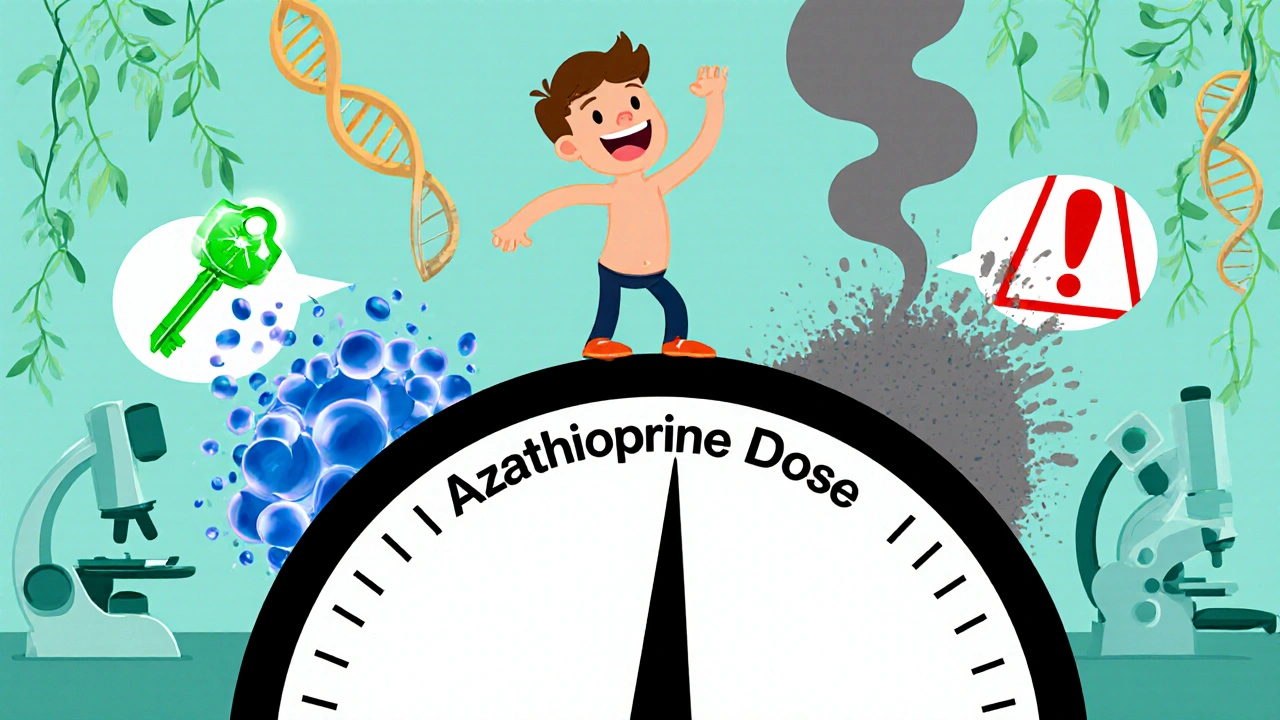
TPMT and NUDT15 genetic testing before starting azathioprine can prevent life-threatening blood cell loss. Learn how your genes affect your risk, what doses are safe, and why regular blood tests still matter.
 Health and Wellness