
When you pick up a generic medication, a chemically identical version of a brand-name drug approved by the FDA. Also known as generic drugs, it works the same way in your body but costs far less. Many assume that because it’s cheaper, it’s less safe—but that’s not true. The FDA requires generics to match brand drugs in strength, quality, and performance. But here’s the catch: generic medication side effects can still happen, and they’re not always the same as what you read on the brand-name label.
Why? Because while the active ingredient is identical, the fillers, dyes, and coatings can differ. These inactive ingredients don’t affect how the drug works, but they can trigger reactions in sensitive people. A rash from one generic might not show up in another, even if both contain the same pill. That’s why reports of adverse drug reactions, unexpected or harmful effects from taking medication often come from patients switching between generic brands. It’s not the drug failing—it’s the formulation changing under the hood. And when you’re on long-term meds like blood pressure pills or antidepressants, even small differences can throw off your body’s balance.
Doctors and pharmacists know this. That’s why they’re trained to watch for changes when you switch generics. But most patients don’t. You might not even realize your new prescription is a different version unless you check the pill’s imprint or the pharmacy label. And if you start feeling off—dizzy, nauseous, or with a strange rash—you might blame stress or aging instead of your meds. That’s where FDA MedWatch, the official system for reporting serious side effects from drugs and medical devices comes in. Your report matters. Thousands of people report reactions every year, and those reports help the FDA track patterns, issue warnings, and sometimes pull unsafe versions off the shelf.
Some side effects are rare but dangerous. DRESS syndrome, liver damage, or severe drops in blood cell counts can be triggered by generics just like brands. That’s why genetic tests like TPMT screening before taking azathioprine are so important—they don’t care if the drug is generic or brand. Your genes decide your risk. And if you’re elderly, on multiple meds, or managing chronic conditions, the risk of drug-drug interactions, harmful overlaps between medications goes up. A generic blood thinner might interact differently with your new generic statin than the brand version did. You won’t know unless you track everything.
So what should you do? Always check the pill’s shape and imprint. Ask your pharmacist if your new script is the same version as last time. Keep a simple log: date, drug name, dose, and how you felt. If something feels wrong, don’t ignore it. Report it. And remember: generics aren’t risk-free, but they’re not dangerous either—when you’re informed. The real danger is assuming all pills with the same name are exactly the same. They’re not. And now you know why.
Below, you’ll find real stories, expert advice, and practical guides on spotting hidden risks, understanding your prescriptions, and speaking up when something doesn’t feel right. This isn’t theory—it’s what people actually experience with their meds.
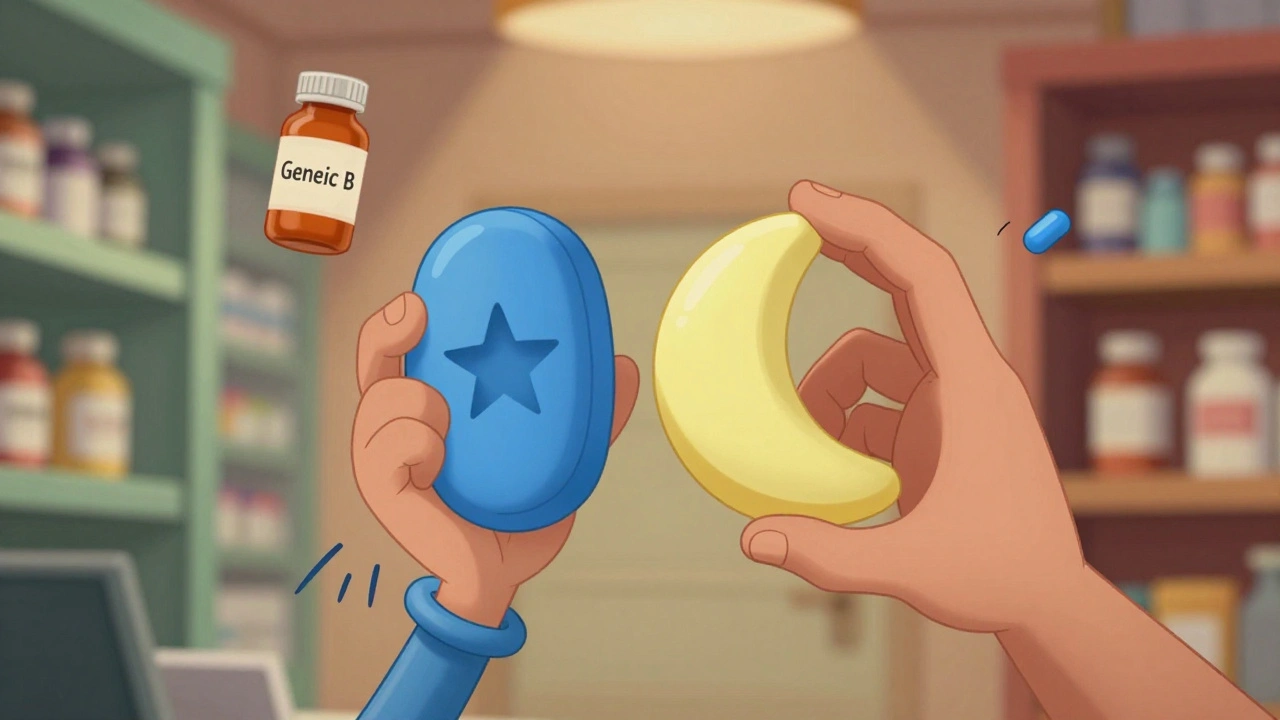
Switching to generic medications can cause side effects for some people, especially with drugs that have a narrow therapeutic index. Learn which medications are most risky, what symptoms to watch for, and how to protect yourself from harmful switches.
 Health and Wellness