
When you pick up a generic drug, a medication that contains the same active ingredient as a brand-name drug but is sold under its chemical name. Also known as non-branded medication, it is designed to work the same way—but isn’t always made the same way. The FDA says generics are just as safe and effective as brand-name drugs. But that doesn’t mean they’re risk-free. Millions of people take them every day without issue. Yet behind the scenes, problems like inconsistent manufacturing, unapproved substitutions, and even fake pills are real—and growing.
One major concern is generic substitution, when a pharmacist swaps your brand-name prescription for a cheaper version without your explicit approval. In many states, this is legal unless you or your doctor object. But not all generics are equal. Some have different fillers, coatings, or release mechanisms that can change how your body absorbs the drug. For medications like seizure drugs, blood thinners, or thyroid pills, even small differences can cause serious side effects or treatment failure. Then there’s the risk of counterfeit medications, fake pills that look real but contain no active ingredient—or worse, toxic substances like fentanyl. These flood online pharmacies and sometimes slip into legitimate supply chains. The FDA’s Orange Book, a public database that lists approved generic drugs and their therapeutic equivalence ratings. helps doctors and pharmacists know which generics are truly interchangeable. But most patients never check it.
And it’s not just about pills. Some generic versions are made in factories with poor quality control. Others are repackaged by third parties with no oversight. If you’ve ever noticed a pill looks different—color, shape, markings—it’s not always a mistake. It could be a new manufacturer. But it could also be a red flag. Pharmacists are legally required to tell you when they switch your drug, but they often don’t. And if you don’t ask, you might never know.
That’s why reporting side effects matters. If you have a bad reaction to a generic, it’s not just your problem—it’s data that helps the FDA track patterns. The MedWatch system, the FDA’s official channel for reporting adverse drug events. relies on patients like you to flag issues. Underreporting means dangerous trends go unnoticed. And when a drug shortage hits, the pressure to use any available generic—even from questionable sources—ramps up.
What you’ll find below isn’t theory. It’s real stories, real data, and real steps you can take. From how to spot fake packaging to why your doctor might hesitate to prescribe generics, these posts cut through the noise. You’ll learn how genetic tests like TPMT screening prevent deadly reactions, why some pills shouldn’t be split, and how to make sure the medication you take is actually the one you were prescribed. This isn’t about fear. It’s about control. You deserve to know what’s in your medicine—and who made it.
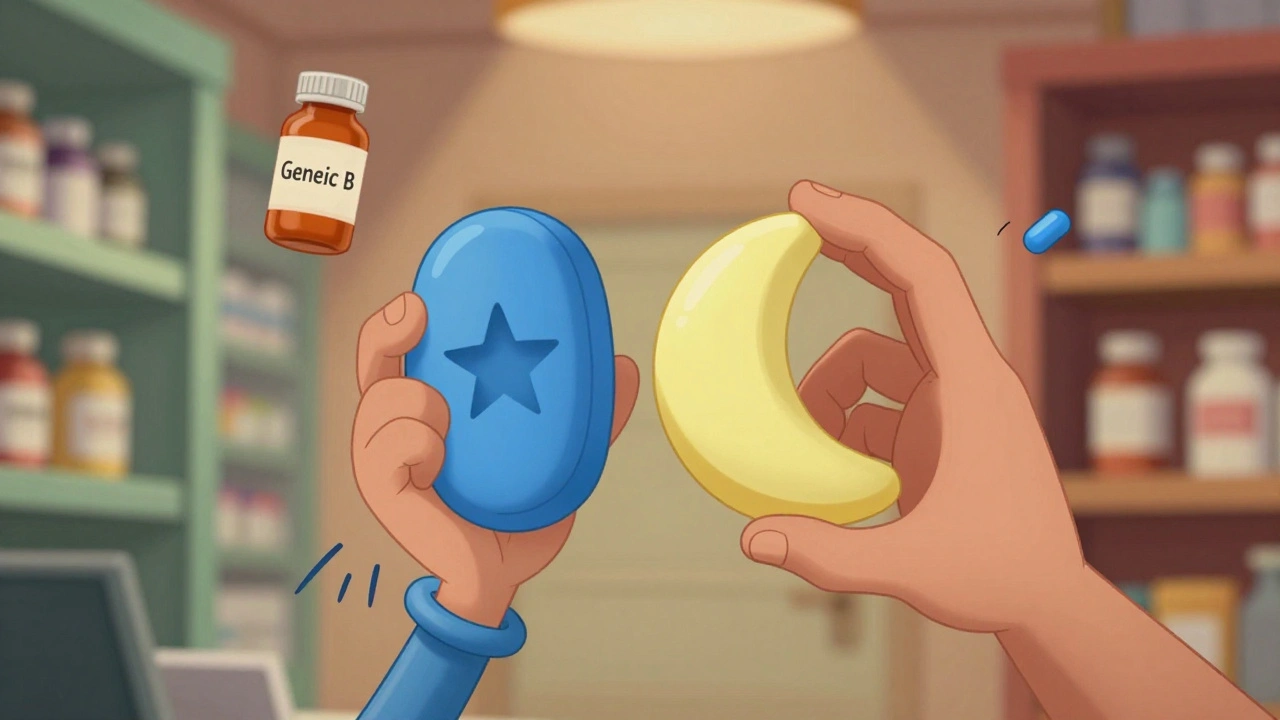
Switching to generic medications can cause side effects for some people, especially with drugs that have a narrow therapeutic index. Learn which medications are most risky, what symptoms to watch for, and how to protect yourself from harmful switches.
 Health and Wellness