
When you pick up a generic pill at the pharmacy, the FDA Orange Book, a public database listing approved drug products with patent and exclusivity information. Also known as Approved Drug Products with Therapeutic Equivalence Evaluations, it's the official record that tells pharmacists and doctors which generics can legally replace brand-name drugs. This isn't just paperwork—it's the rulebook that lets you save money without risking your health.
The Hatch-Waxman Act, a 1984 law that balanced brand drug innovation with generic competition created the system behind the Orange Book. It gave generic makers a path to enter the market by letting them file a Paragraph IV challenge—essentially saying, "This patent is invalid or doesn't apply to us." When they win, the brand loses its monopoly, and prices drop fast. Since 1990, this process has saved U.S. consumers over $1.2 trillion. The Orange Book tracks every patent, every exclusivity period, and every approved generic, so everyone knows who can sell what and when.
It also connects to real-world issues you might face. If you're switching from a brand to a generic, the Orange Book tells you if it's therapeutically equivalent. If you're wondering why a new generic isn't on the shelf yet, it’s probably because the brand still has exclusivity. Or maybe someone’s challenging the patent right now—something you’d only find out by checking the Orange Book. Even if you don’t look it up yourself, your pharmacist and doctor use it daily to make sure you get safe, legal alternatives.
Behind the scenes, this database shapes how drugs reach you. It’s why your insulin or blood pressure med costs less than it used to. It’s why some generics appear suddenly, while others take years. And it’s why you can trust that a generic labeled "AB-rated" works just like the brand. The drug patents, legal protections that give brand companies temporary market control listed here aren’t just legal technicalities—they’re the reason some drugs stay expensive, and why others become affordable overnight.
What you’ll find in the posts below is how this system affects real people: how generic makers use Paragraph IV challenges to bring down prices, how patients get caught in the middle of patent fights, and why some medications still cost too much even when generics exist. You’ll also see how patent issues connect to drug safety reporting, medication errors, and even how travelers keep their refrigerated meds working. This isn’t just about government lists—it’s about access, cost, and control over your own health.
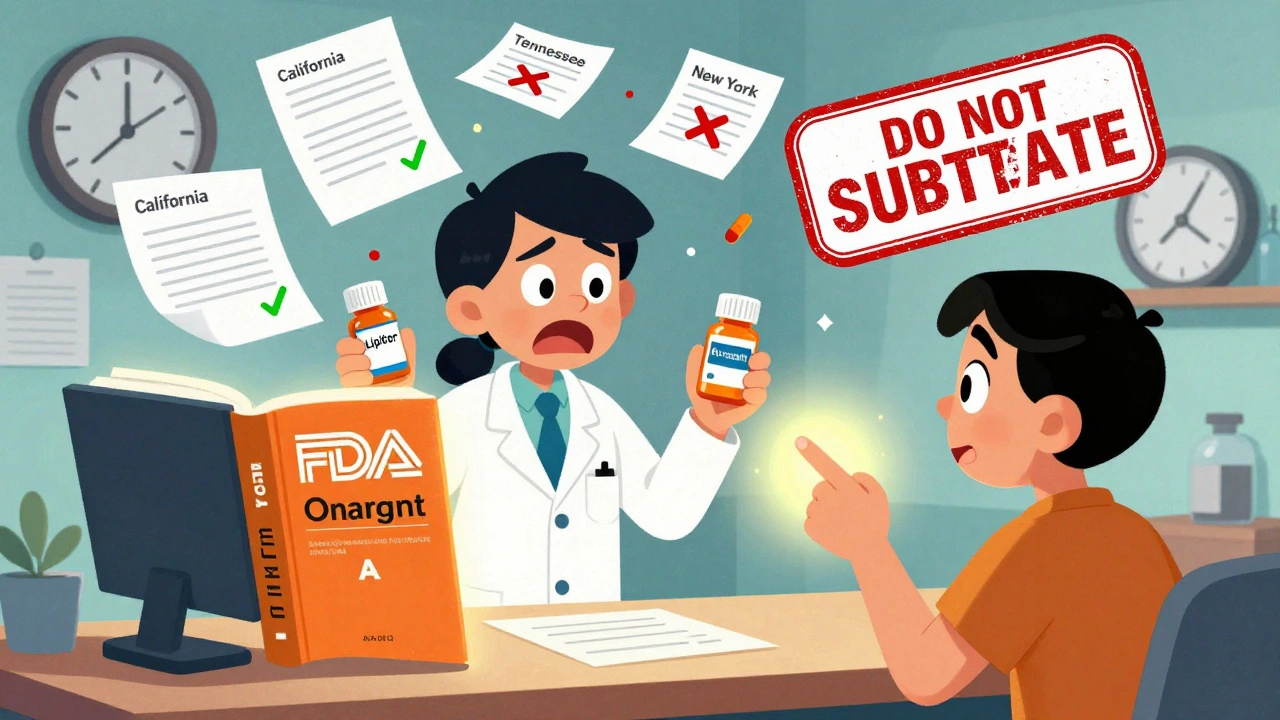
Pharmacists must follow complex state and federal laws when dispensing generic medications. Learn the legal obligations around substitution, consent rules, restricted drugs, documentation requirements, and how state laws vary across the U.S.
 Health and Wellness