
When you take a new medication, you’re part of a massive, quiet experiment. The FAERS database, the FDA’s system for collecting and analyzing reports of adverse drug reactions. Also known as FDA Adverse Event Reporting System, it’s the backbone of drug safety in the U.S. Every time a patient, doctor, or pharmacist reports a bad reaction—like a rash, liver damage, or sudden confusion—that info goes into FAERS. It doesn’t prove a drug caused the problem, but it flags patterns that might otherwise stay hidden until someone dies.
This isn’t just paperwork. The FAERS database is what helped uncover the dangers of DRESS syndrome, flagged risky interactions between beta-blockers and calcium channel blockers, and exposed hidden risks in generic drugs. It’s why pharmacists now check TPMT genes before giving azathioprine, and why pediatric dosing errors are being tracked across emergency rooms. The system doesn’t work unless people report. If your mom had a strange reaction to her new blood pressure pill, or your teen broke out in a rash after starting a new antibiotic, that report could save someone else’s life.
It’s not perfect. Many reactions go unreported. Some reports are vague or incomplete. But when thousands of these pile up, patterns emerge. That’s how the FDA learned that certain generic versions of a drug caused more side effects than others. That’s how they found out that counterfeit pills were slipping through. And that’s why the FAERS database is tied to everything from pharmacist responsibilities and pill splitting to opioid disposal and counterfeit packaging. The posts below show you exactly how this system touches real people—how it explains why some drugs get black box warnings, why genetic tests are now standard before certain treatments, and why your voice matters in keeping medicines safe.
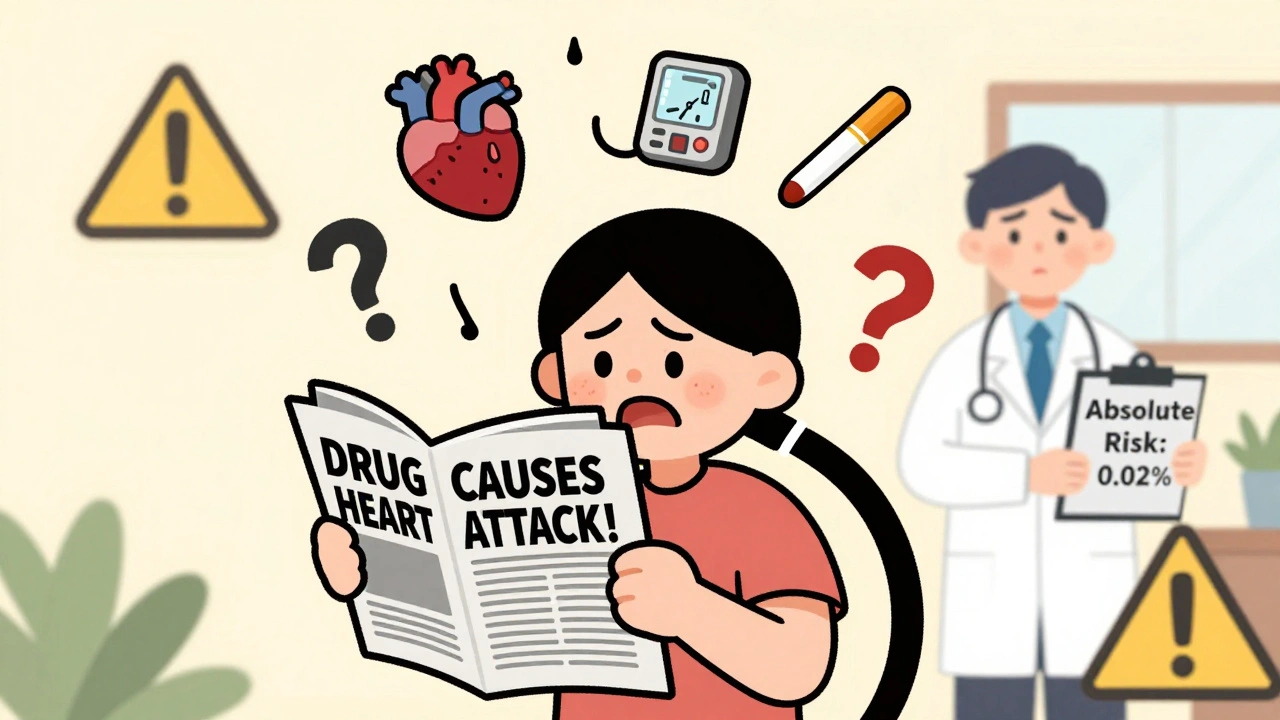
Learn how to spot misleading media reports about medication safety by checking study methods, understanding risk numbers, and verifying sources. Don't let fear drive your health choices - use facts instead.
 Health and Wellness