
When you breathe hard during a run, swim, or even a brisk walk and suddenly feel tightness in your chest, wheeze, or can’t catch your breath, you might be experiencing exercise-induced bronchoconstriction, a narrowing of the airways triggered by physical activity. Also known as EIB, it’s not always asthma—but it often looks like it. Unlike asthma, which can flare up from allergens or cold air at rest, EIB happens specifically when you’re active, especially in dry or cold environments. About 10% of the general population gets it, and up to 90% of people with asthma experience it too. But even healthy athletes—swimmers, runners, hockey players—can have it without ever having asthma.
What’s happening inside your airways? When you breathe fast through your mouth during exercise, you’re not warming or humidifying the air like you do through your nose. That dry, cool air irritates the lining of your bronchial tubes, causing them to tighten up. This isn’t just a minor inconvenience—it can feel like you’re suffocating, even if you’re in great shape. Symptoms usually start 5 to 20 minutes after you stop exercising and can last up to an hour. Some people feel fine during the workout but crash right after. Others can’t even finish a lap without stopping.
Many people mistake EIB for being out of shape. But if you’ve ever had to pause mid-run because your throat closed up, or if your kid comes home from soccer gasping for air, this isn’t about fitness. It’s about physiology. The good news? It’s highly treatable. Short-acting bronchodilators like albuterol, taken 15 to 30 minutes before exercise, work for most people. Some need daily controller meds—like inhaled corticosteroids—if their airways are chronically inflamed. Warming up properly, wearing a scarf over your mouth in cold weather, and avoiding high-pollution days can also help. And yes, you can still run, swim, or play sports—just not without a plan.
What you’ll find below are real, practical posts about how medications interact with physical activity, how to tell if your breathing issues are EIB or something else, and what to do when standard treatments don’t work. You’ll see how generic drugs affect EIB management, how to spot misleading health claims about breathing aids, and why some people react badly to switching inhalers. This isn’t theory. These are stories from people who’ve been there—and the science that backs up what actually works.
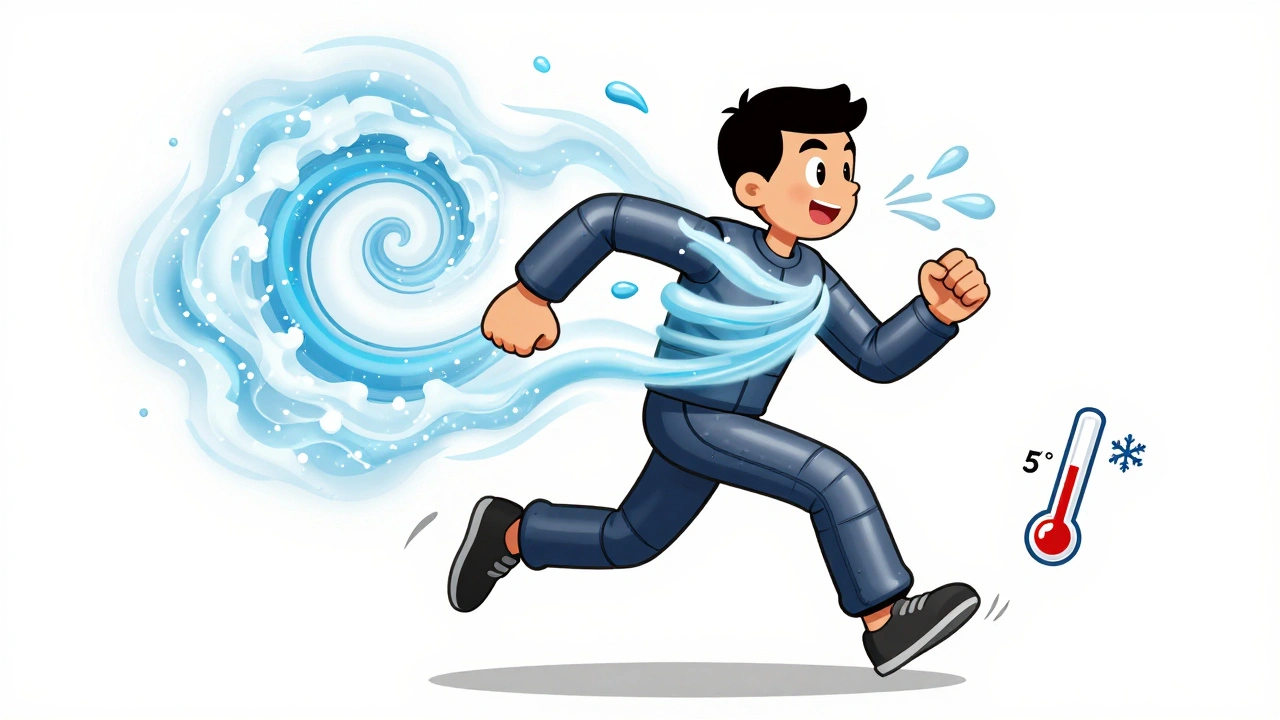
Learn how to prevent exercise-induced bronchoconstriction symptoms using proven strategies like warm-ups, environmental control, and correct inhaler use with spacers. Get clear guidance on when and how to use albuterol and other medications safely.
 Health and Wellness