
When your blood has too many eosinophils, a type of white blood cell that fights parasites and plays a role in allergic responses. Also known as high eosinophil count, it’s not a disease itself—it’s a signal that something else is going on in your body. Most people don’t know their eosinophil levels until a routine blood test shows them. But when those numbers creep up, it’s not just a lab quirk. It’s your immune system waving a flag.
Eosinophilia often shows up with allergic reactions, conditions like asthma, eczema, or hay fever that trigger an overactive immune response. It’s also common in parasitic infections, especially worms like hookworm or roundworm that live in the gut. But it doesn’t stop there. Autoimmune diseases like eosinophilic esophagitis, certain cancers, and even some drug reactions can cause it. The key isn’t just the number—it’s why it’s there. A count of 500 to 1,500 cells per microliter might mean nothing. Over 1,500 for months? That’s when doctors start digging.
What you’ll find in these posts isn’t just textbook definitions. It’s real-world connections. You’ll see how eosinophilia ties into autoimmune encephalitis, how immunosuppressants like azathioprine can mask or trigger it, and why drug reactions sometimes show up as rising eosinophil counts. There’s no fluff—just clear links between what’s happening in your blood and what’s happening in your body. Whether you’re managing a chronic condition, dealing with unexplained symptoms, or just trying to understand a lab result, these articles give you the tools to ask the right questions.
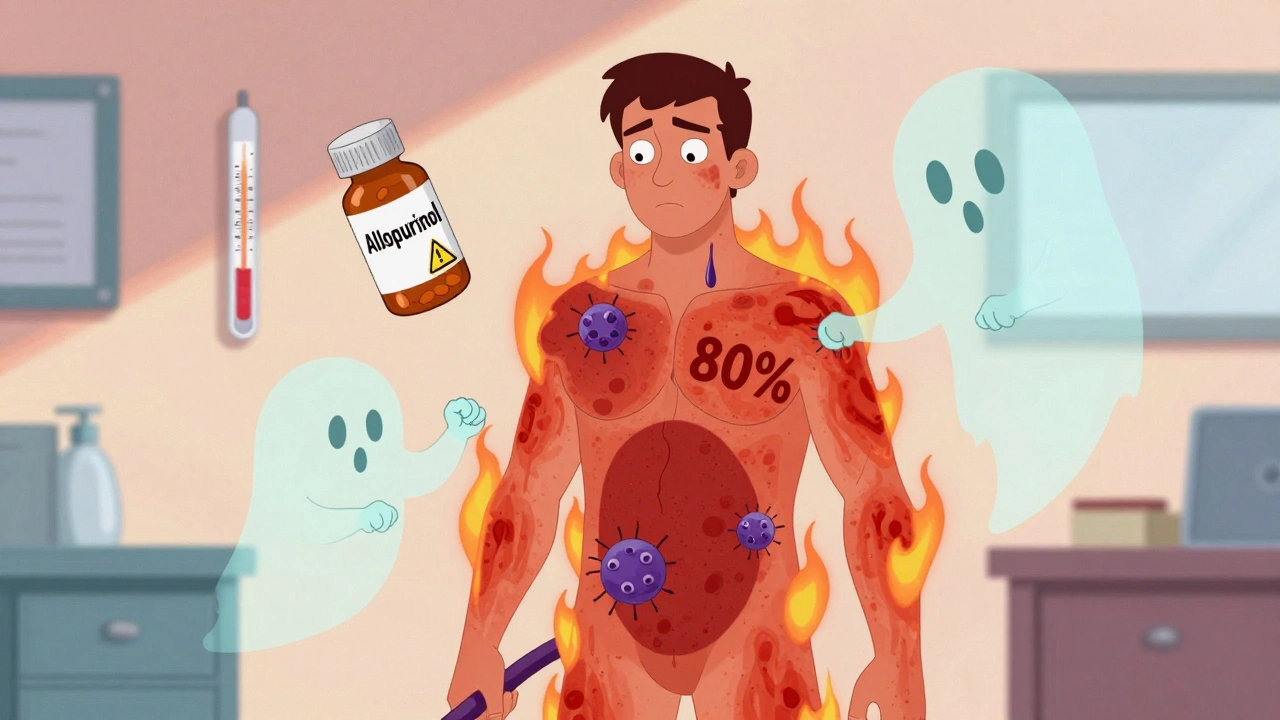
DRESS syndrome is a rare but deadly drug reaction that causes rash, fever, organ damage, and eosinophilia. Often misdiagnosed, it requires immediate treatment. Learn the signs, triggers, and how to prevent it.
 Health and Wellness