
When you push yourself during a run, swim, or soccer game but can’t catch your breath, you might be dealing with exercise-induced bronchoconstriction, a condition where physical activity triggers narrowing of the airways. Also known as EIB, it’s not always full-blown asthma—it can hit anyone, even elite athletes. The good news? You don’t have to stop moving. With the right EIB prevention tips, you can stay active without gasping for air.
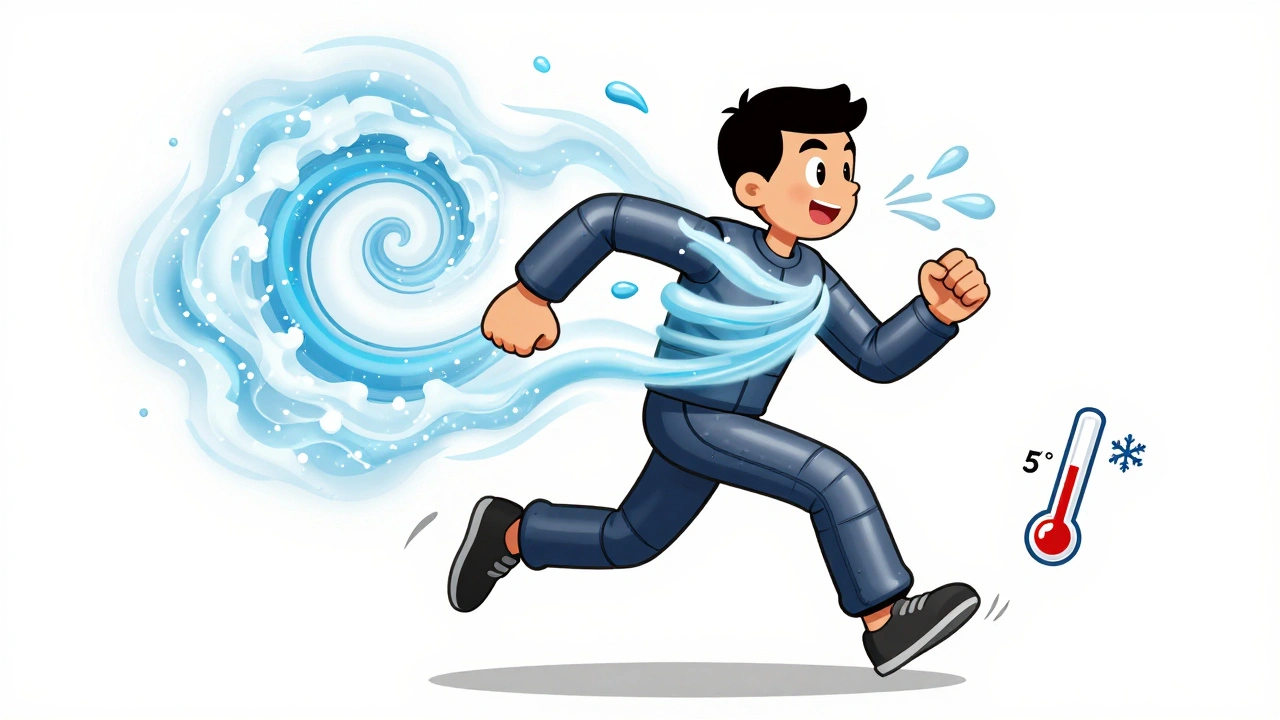
EIB happens because cold, dry air pulls moisture from your airways during intense breathing, causing them to tighten. This isn’t just about asthma—it’s about how your body reacts to movement. People with asthma triggers like pollen or cold weather are more likely to experience it, but even those with no history of lung issues can develop symptoms. What makes EIB tricky is that it often shows up 5 to 20 minutes after stopping exercise, not during it. That’s why many think they’re just out of shape. But if you’re consistently wheezing, coughing, or feeling tight in the chest after workouts, it’s not normal.
Prevention starts with small, smart habits. A proper warm-up—10 to 15 minutes of light activity before going hard—can reduce symptoms by up to 50%. Breathing through your nose helps warm and humidify the air before it hits your lungs. If you’re exercising in cold weather, covering your mouth with a scarf or mask makes a big difference. Timing matters too: if you use a rescue inhaler like albuterol, taking it 15 to 30 minutes before exercise can block the reaction. Avoid high-pollution areas and days with high pollen counts. And don’t ignore hydration—dry airways are more reactive.
Some people need daily controller meds like inhaled corticosteroids or leukotriene modifiers, especially if EIB happens often. But many find they can manage it without medication—just by changing how and when they move. Swimming in a warm, humid pool is often easier than running in winter air. Cycling indoors on a trainer beats outdoor sprints in freezing temps. The goal isn’t to avoid exercise—it’s to make it work for you, not against you.
Below, you’ll find real-world advice from people who’ve been there: how to spot early signs, what meds actually help, how to talk to your doctor about EIB, and how to stay safe during sports without feeling limited. These aren’t generic tips—they’re tested strategies from those managing EIB every day, whether they’re runners, swimmers, or parents helping kids stay active. You don’t need to quit your favorite activity. You just need to know how to protect your lungs while you do it.
Learn how to prevent exercise-induced bronchoconstriction symptoms using proven strategies like warm-ups, environmental control, and correct inhaler use with spacers. Get clear guidance on when and how to use albuterol and other medications safely.
 Health and Wellness