
When a drug shortage, a situation where the supply of a medication falls below demand, leaving patients unable to get their prescribed treatment. Also known as medication unavailability, it’s not just a hospital problem—it’s a personal one. If you take insulin, blood pressure pills, or even antibiotics, a shortage could mean your pharmacy runs out, your doctor switches your prescription, or you’re stuck waiting weeks for a refill.
These shortages don’t happen by accident. They’re tied to the pharmaceutical supply chain, the complex network of manufacturers, distributors, and regulators that gets drugs from factories to pharmacies. Most generic drugs are made overseas, and if one factory has a quality issue, a power outage, or a raw material delay, it can ripple across the country. The generic drug supply, the backbone of affordable medicine in the U.S., is especially vulnerable because profit margins are thin and production is concentrated in just a few facilities. When a single plant shuts down, dozens of medications vanish at once—like the 2022 shortage of injectable epinephrine or the years-long lack of certain chemotherapy drugs.
When a drug disappears, you might get a different brand, a new generic, or even a completely different medicine. That’s where things get risky. Switching from one generic to another—even if both are FDA-approved—can cause side effects, especially with drugs that have a narrow therapeutic index, like seizure meds or blood thinners. Pharmacists are legally allowed to substitute generics, but not always with your consent. And if you’re on a medication that’s hard to replace, like immunosuppressants for autoimmune diseases, a shortage can mean hospitalization or worse.
This isn’t theoretical. People are skipping doses, splitting pills unsafely, or buying from unverified online sellers because they have no other choice. The drug substitution, the practice of replacing a prescribed drug with another due to unavailability isn’t always safe, and it’s rarely explained clearly. You might not even know your medication changed until you feel different.
What you’ll find below are real stories and practical guides from people who’ve lived through these gaps in care. You’ll learn how to spot when your drug has been swapped, what questions to ask your pharmacist, how to track shortages before they hit your local pharmacy, and which medications are most at risk. There’s also advice on what to do if your insurance won’t cover the alternative, how to report a shortage to the FDA, and why some drugs disappear for years while others never do. This isn’t about fear—it’s about control. You deserve to know what’s in your medicine cabinet and why it might suddenly be gone.
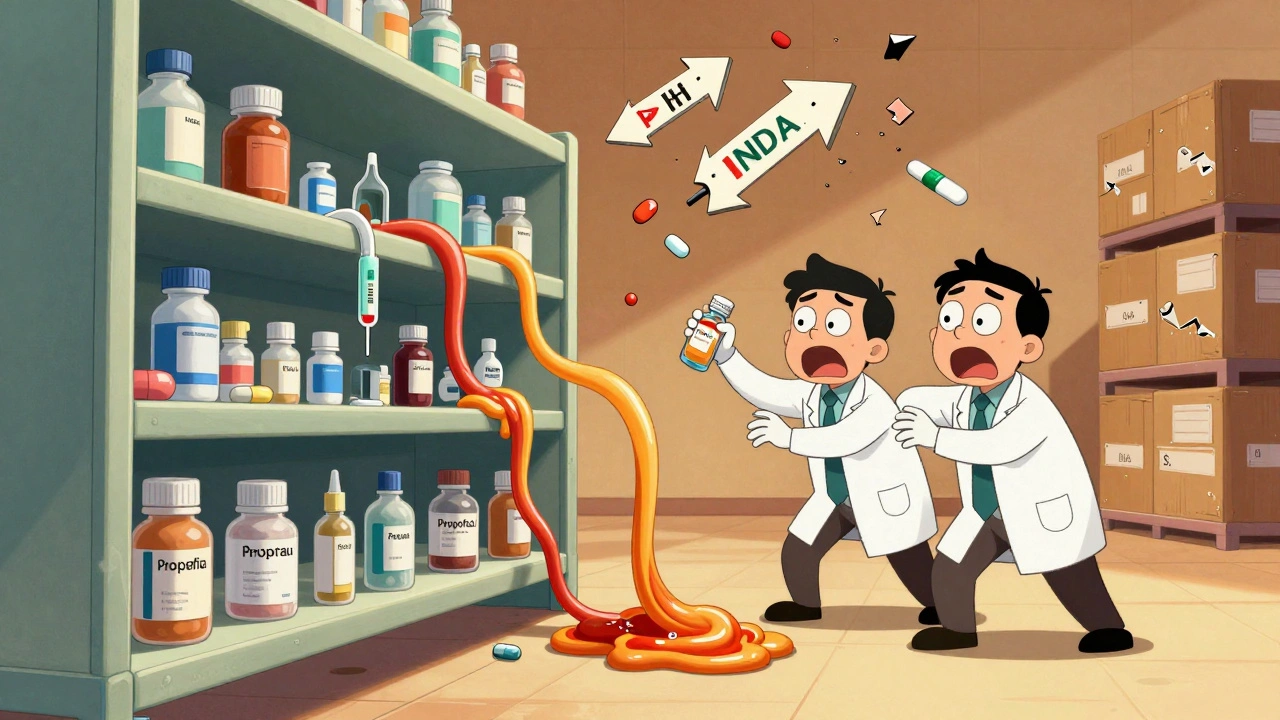
The COVID-19 pandemic triggered widespread drug shortages and a surge in deadly overdoses. Essential medications vanished as global supply chains broke down, while illicit drugs became more dangerous due to fentanyl contamination. The crisis exposed deep flaws in healthcare and addiction systems.
 Health and Wellness