
When your body overreacts to a medication, it doesn’t just cause a rash—it can trigger DRESS syndrome, a life-threatening drug-induced hypersensitivity reaction that affects the skin, organs, and immune system. Also known as Drug Reaction with Eosinophilia and Systemic Symptoms, this condition doesn’t show up overnight. It usually develops 2 to 8 weeks after starting a new drug, and it’s not just a bad reaction—it’s a full-body alarm.
DRESS syndrome is often linked to immunosuppressants, medications that calm the immune system but can accidentally turn it against the body. Drugs like carbamazepine, allopurinol, and minocycline are common culprits, but even antibiotics and antivirals can set it off. The reaction isn’t about dosage—it’s about how your genes and immune system respond. Some people have a genetic blind spot that makes them far more vulnerable. That’s why TPMT testing, a genetic screen used before giving drugs like azathioprine, matters. While TPMT doesn’t predict DRESS directly, it shows how deeply genetics can influence drug safety.
The symptoms don’t lie: high fever, swollen lymph nodes, a widespread rash, and liver or kidney trouble. Blood tests often show too many eosinophils—white blood cells that normally fight parasites but go wild in DRESS. If you’ve recently started a new medicine and feel like you’ve been hit by a truck, don’t wait. Stopping the drug early is the first step. But recovery isn’t instant. Some patients need weeks of steroids. Others end up in the ICU. And here’s the hard truth: even after you feel better, the damage can linger. Organs don’t always bounce back.
You’ll find real cases in the posts below—stories of people who thought their rash was just an allergy, only to learn it was something far more dangerous. You’ll also see how adverse drug reactions, the broader category that includes DRESS syndrome are underreported, why patients miss the warning signs, and how doctors learn to spot them. These aren’t textbook examples. These are real people, real mistakes, and real lessons that could save your life—or someone you care about. The goal isn’t to scare you. It’s to help you ask the right questions before you swallow that next pill.
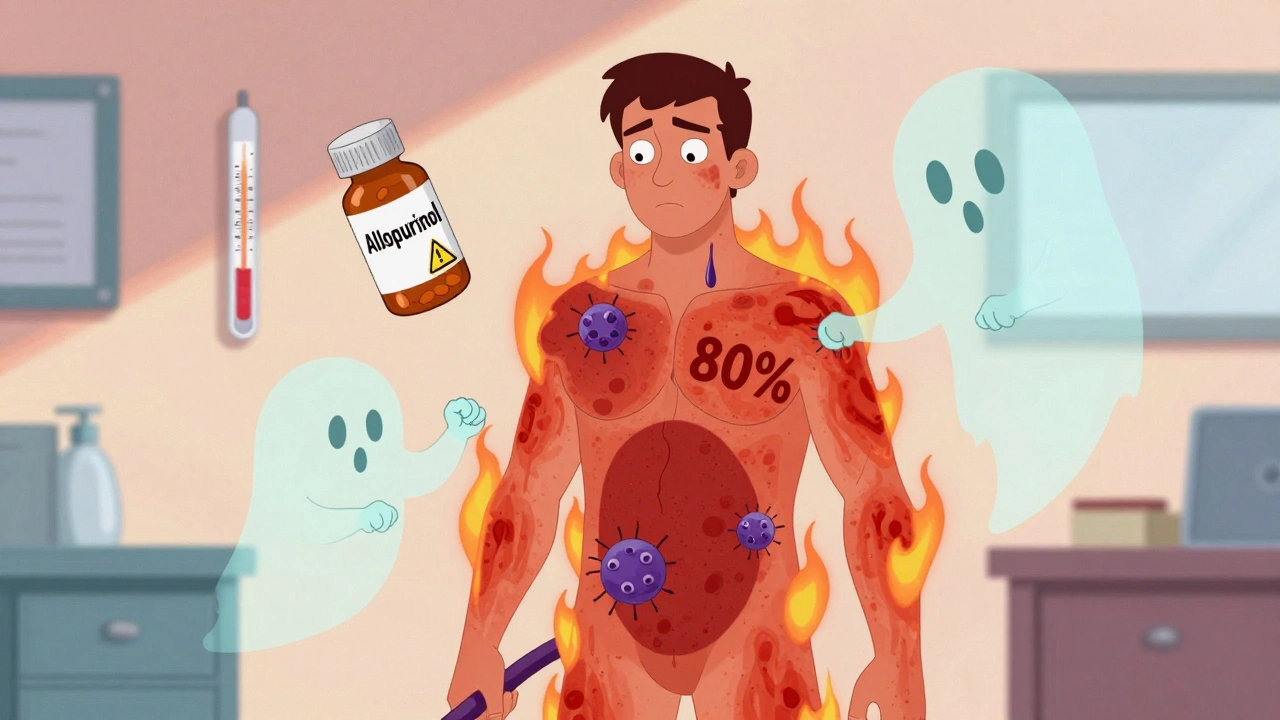
DRESS syndrome is a rare but deadly drug reaction that causes rash, fever, organ damage, and eosinophilia. Often misdiagnosed, it requires immediate treatment. Learn the signs, triggers, and how to prevent it.
 Health and Wellness