
When a medication triggers a severe, delayed allergic reaction that affects multiple organs, it might be DRESS, a life-threatening drug reaction also known as Drug Reaction with Eosinophilia and Systemic Symptoms. Also known as DRESS syndrome, it’s not a common side effect—but when it happens, it demands immediate attention. Unlike a simple rash, DRESS can cause fever, swollen lymph nodes, liver damage, kidney problems, and dangerously high levels of eosinophils in the blood. It usually shows up 2 to 8 weeks after starting a new drug, which is why many doctors miss it at first.
DRESS diagnosis isn’t based on one test. It’s a puzzle made of symptoms, lab results, and timing. Doctors look for a combination of skin rash, internal organ involvement, and elevated white blood cells—especially eosinophils. Common culprits include anticonvulsants like carbamazepine and phenytoin, allopurinol used for gout, and some antibiotics like sulfonamides. If you’ve started one of these drugs and weeks later develop a widespread rash, fever, and swollen glands, DRESS should be on the table. It’s not something you wait out. Delayed treatment can lead to organ failure or death.
People with certain genetic markers, like HLA-B*58:01 for allopurinol, are at much higher risk. That’s why some doctors test for these genes before prescribing high-risk drugs. But even without testing, recognizing the pattern matters. DRESS diagnosis often gets confused with viral infections like mononucleosis or hepatitis because the symptoms overlap. That’s why knowing your medication history is critical. If you’re on any of these drugs and feel unusually sick, don’t assume it’s just a virus. Ask about DRESS.
Stopping the drug is the first and most important step. But recovery isn’t quick. It can take weeks or months for symptoms to fully fade, and some patients need steroids or other immunosuppressants to calm the immune system’s overreaction. Once you’ve had DRESS, you can never take that drug again—and often, you’ll need to avoid similar ones too. This isn’t just about avoiding a rash; it’s about preventing a second, possibly deadlier reaction.
The posts below cover real-world cases and practical advice tied to DRESS diagnosis. You’ll find how it connects to immunosuppressants, why genetic testing matters before certain prescriptions, how to spot dangerous drug reactions before they escalate, and what to do if you suspect a medication is harming you. These aren’t theoretical discussions—they’re lessons from patients and doctors who’ve been there. If you or someone you know is on a high-risk drug, this collection gives you the tools to ask the right questions—and act before it’s too late.
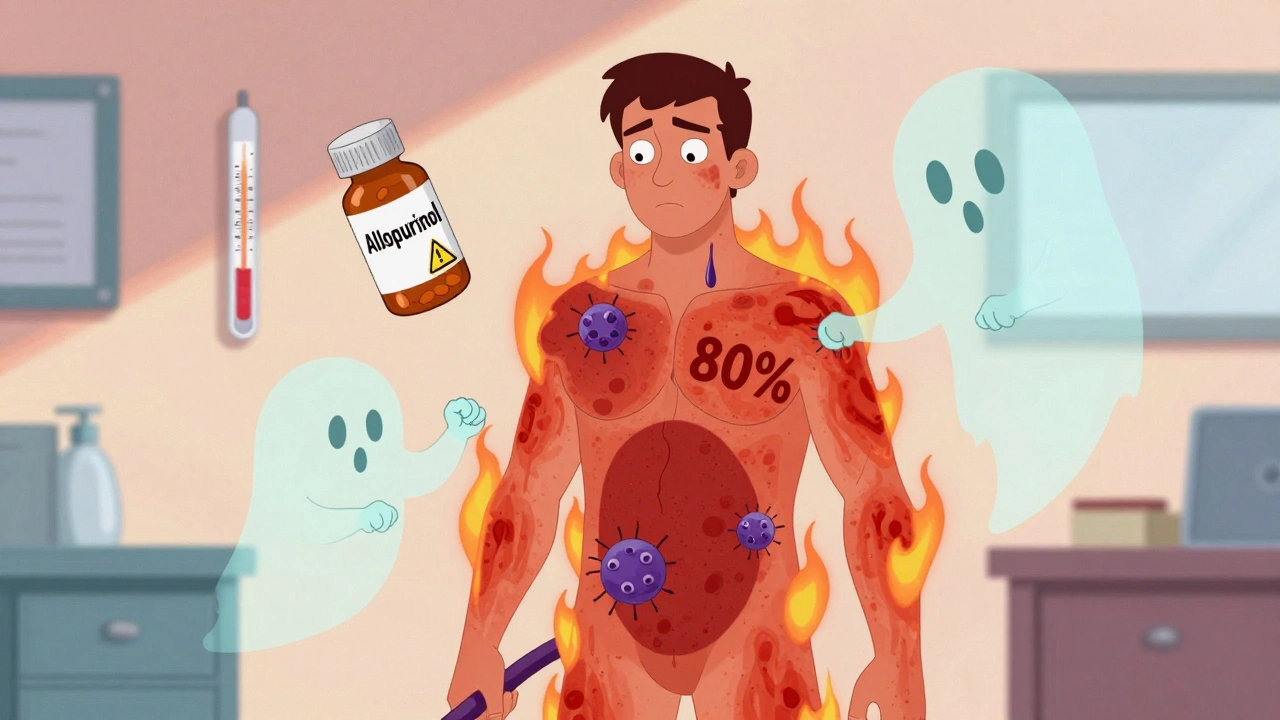
DRESS syndrome is a rare but deadly drug reaction that causes rash, fever, organ damage, and eosinophilia. Often misdiagnosed, it requires immediate treatment. Learn the signs, triggers, and how to prevent it.
 Health and Wellness