
When you have leftover opioids, prescription painkillers like oxycodone, hydrocodone, or fentanyl that carry high risks of addiction and overdose. Also known as narcotic pain medications, they save lives when used correctly—but become dangerous if left in medicine cabinets. Every year, thousands of accidental overdoses start with a child, teen, or visitor finding old pills at home. Disposing of them properly isn’t just smart—it’s a responsibility.
Not all disposal methods are equal. Flushing opioids down the toilet used to be recommended for some drugs, but now most health agencies say drug take-back programs, official collection sites run by pharmacies, hospitals, or police departments are the safest choice. These programs collect unused meds and destroy them safely, keeping them out of water supplies and off the streets. If you don’t have one nearby, the FDA says you can mix opioids with dirt, coffee grounds, or cat litter in a sealed container before tossing them in the trash. Never leave them in their original bottle with your name on it—this makes them a target for theft.
Some people think throwing pills in the trash is fine, but it’s not enough. Without mixing them with something unappetizing, curious kids or pets might still find them. Others try flushing because they think it’s cleaner—but water treatment plants can’t fully remove these chemicals, and they end up in rivers and lakes. That’s why opioid safety, the practice of securing, using, and disposing of these drugs responsibly matters beyond your own home. It’s about protecting neighbors, future generations, and even wildlife.
You don’t need to wait for a crisis to act. Check with your local pharmacy—many offer year-round drop boxes. Some communities host annual drug take-back days. If you’re caring for an elderly relative or someone on long-term pain meds, make disposal part of your routine. When a prescription runs out, don’t let the bottle sit. Take it to a drop-off site the same week. It’s faster than you think, and it stops problems before they start.
The posts below give you real, practical steps for handling unused painkillers—from what to do if you live in a rural area with no take-back site, to how to explain safe disposal to teenagers, and even what to do if someone you know is misusing old prescriptions. You’ll find advice on identifying expired meds, storing opioids securely, and recognizing warning signs of misuse. No fluff. No theory. Just what works.
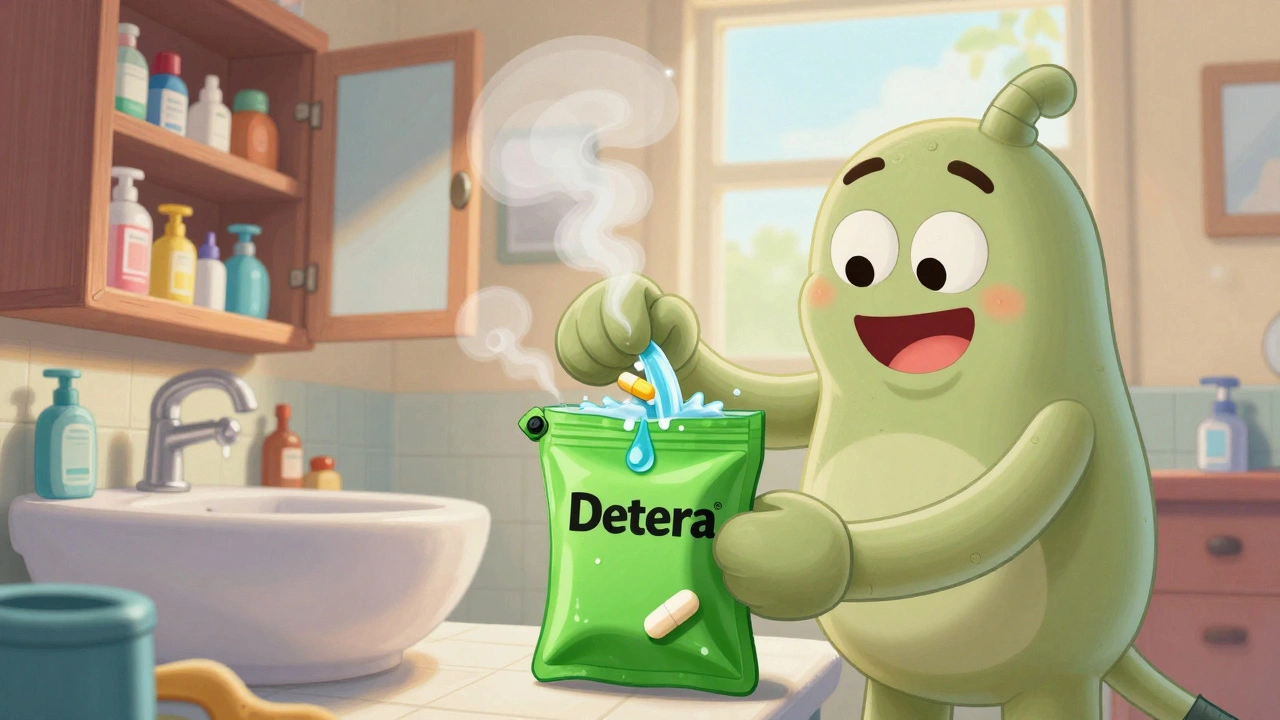
Learn the safest, most effective ways to dispose of unused opioids to prevent misuse, accidental overdose, and addiction. From take-back programs to deactivation pouches, here's what works - and what doesn't.
 Health and Wellness