
When your immune system turns against your own brain, it’s called autoimmune encephalitis, a rare but serious condition where the body’s defense system mistakenly attacks brain tissue, causing confusion, seizures, memory loss, and sometimes psychosis. Also known as autoimmune limbic encephalitis, it’s not caused by infection—it’s an internal betrayal. This isn’t just a brain infection. It’s an immune system glitch, similar to how multiple sclerosis attacks nerve insulation, but here, the attack hits the brain’s emotional and memory centers directly.
People with autoimmune disease, a group of conditions where the immune system targets healthy cells, including lupus, Hashimoto’s, or type 1 diabetes are at higher risk. But even those without prior autoimmune issues can develop it—often after a virus, tumor, or unexpected reaction to a drug. Some cases link directly to drug reactions, like DRESS syndrome or other severe immune-mediated responses triggered by medications. That’s why doctors now check for antibodies in the blood or spinal fluid when someone suddenly shows neurological symptoms without a clear cause.
Treatment isn’t simple. You can’t just take an antibiotic. It requires calming down the immune system—often with immunosuppressants, drugs like steroids, IVIG, or rituximab that reduce the immune attack. Some patients need plasma exchange to physically remove harmful antibodies. Recovery takes time, and not everyone fully regains their previous cognitive function. But early diagnosis makes a huge difference. The faster you catch it, the better the outcome.
What’s surprising is how often this condition is missed. Symptoms look like the flu, a psychiatric episode, or even a stroke. That’s why understanding the link between brain changes and immune triggers matters. If you’ve had a recent infection and then started having memory lapses or strange behavior, don’t assume it’s stress. Ask about autoimmune encephalitis. It’s not common, but it’s treatable—if you know to look for it.
The posts below cover the bigger picture: how immune drugs like azathioprine and methotrexate affect the body, how drug reactions can trigger serious neurological issues, and how to spot warning signs before things get dangerous. You’ll find real-world guidance on managing immune-related side effects, understanding medication risks, and knowing when to push for more testing. This isn’t theoretical—it’s about protecting your brain, your health, and your future.
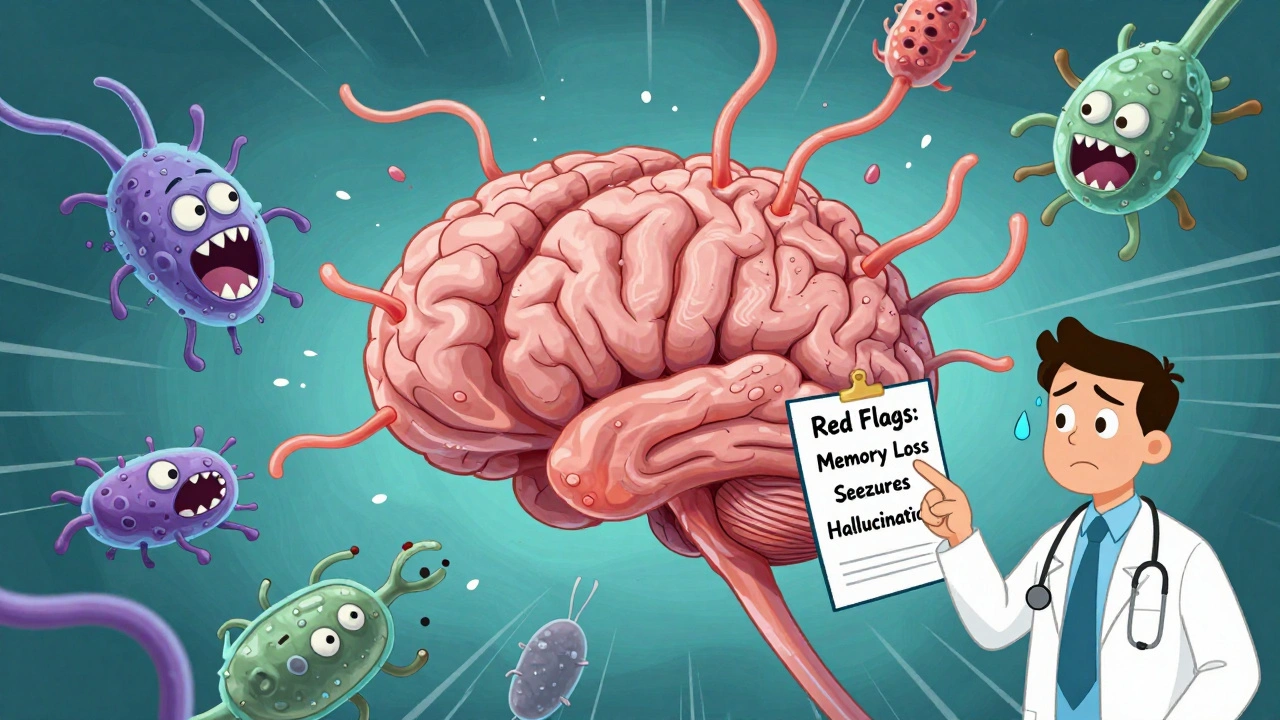
Autoimmune encephalitis is a rare but treatable brain disorder triggered by antibodies attacking nerve cells. Recognizing early signs like seizures, memory loss, and behavioral changes can save lives. Treatment works best when started quickly.
 Health and Wellness