
When your immune system turns against your own body, it can target the brain and spinal cord — a condition known as autoimmune brain inflammation, a process where the immune system mistakenly attacks nerve tissue, leading to swelling and damage. Also known as neuroinflammation, it’s not a single disease but a reaction seen in conditions like multiple sclerosis, a chronic autoimmune disorder where the immune system destroys the protective myelin sheath around nerves. This isn’t just about headaches or fatigue — it’s a systemic breakdown that can cause vision loss, muscle weakness, and even cognitive decline.
Autoimmune brain inflammation doesn’t happen out of nowhere. It often starts with a trigger — a virus, genetic risk, or environmental factor — that confuses the immune system into seeing nerve cells as invaders. The body then sends immune cells into the brain, causing swelling, scarring, and disrupted signals. This is why people with autoimmune disease, a broad category where the immune system attacks healthy tissue like lupus or Hashimoto’s are at higher risk. The damage isn’t always visible on scans, but the symptoms are real: brain fog, numbness, balance issues, and seizures in severe cases. Treatment focuses on calming the immune system, which is where immunosuppressants, medications that reduce immune activity to prevent further nerve damage come in. Drugs like azathioprine and methotrexate, mentioned in several of our posts, are used not just for organ transplants or arthritis, but also to slow down this internal attack on the nervous system.
What’s often missed is how closely autoimmune brain inflammation ties into everyday medication safety. A reaction to a drug — like DRESS syndrome — can mimic these symptoms. Misdiagnosis is common because the signs overlap with infections, migraines, or even stress. That’s why understanding your medical history, tracking side effects, and knowing which drugs can trigger immune overreactions matters. The posts below cover real cases, genetic risks like TPMT testing before starting immunosuppressants, how to spot misleading health news, and why patient labels don’t always match doctor notes. You’ll find practical advice on managing these conditions, avoiding dangerous drug interactions, and knowing when to push for better testing. This isn’t theoretical — it’s about protecting your brain from an invisible enemy.
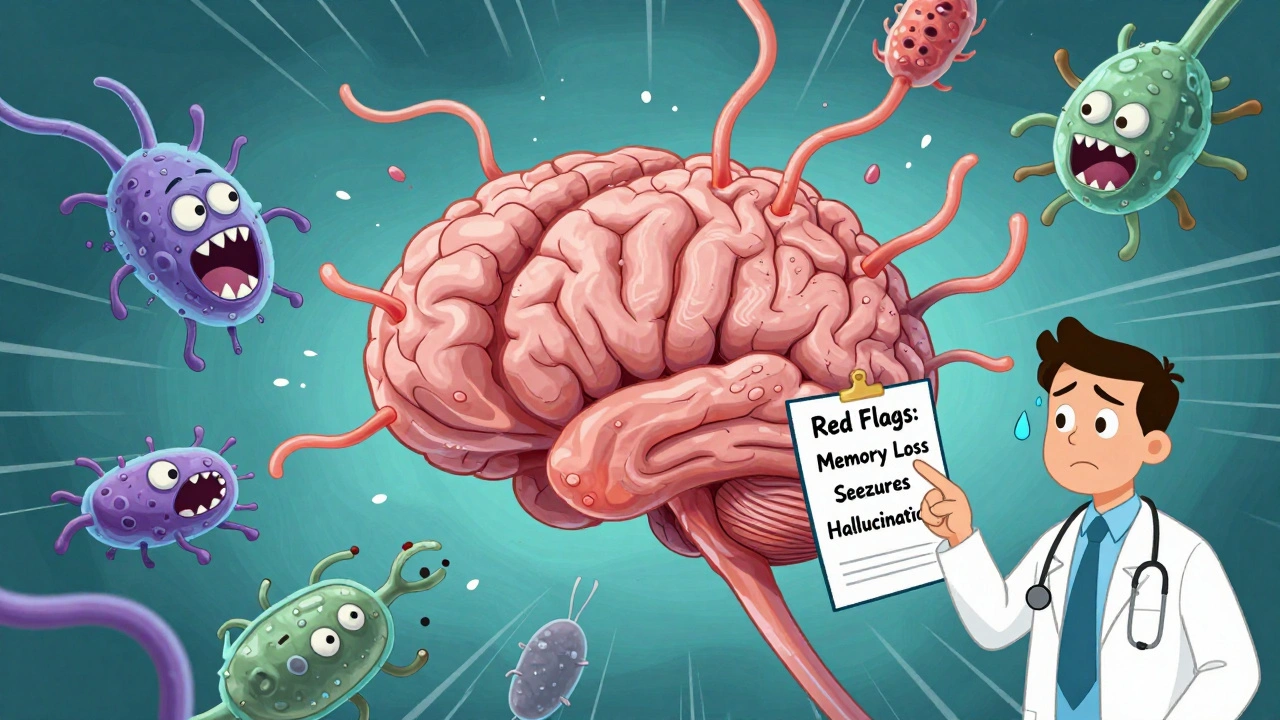
Autoimmune encephalitis is a rare but treatable brain disorder triggered by antibodies attacking nerve cells. Recognizing early signs like seizures, memory loss, and behavioral changes can save lives. Treatment works best when started quickly.
 Health and Wellness