
When your immune system mistakenly targets anti-NMDAR, antibodies that attack NMDA receptors in the brain, triggering inflammation and neurological symptoms. Also known as anti-N-methyl-D-aspartate receptor encephalitis, it’s one of the most common forms of autoimmune encephalitis. Unlike infections or strokes, this isn’t caused by a virus or injury—it’s your own immune system turning against your brain. The result? Seizures, memory loss, confusion, hallucinations, and sometimes even unresponsiveness. It hits young adults and children hardest, often starting with flu-like symptoms before spiraling into something far more serious.
What makes anti-NMDAR so tricky is how easily it’s mistaken for psychiatric illness. Many patients are first sent to psychiatrists because they’re talking to people who aren’t there or acting out of character. But the real culprit is a misdirected immune response. These antibodies bind to NMDA receptors, critical proteins in the brain that help with learning, memory, and emotional regulation, blocking their function. Without those signals working right, your brain starts to short-circuit. The good news? It’s treatable. Most people recover with immunotherapy, treatments like steroids, IVIG, or plasma exchange that calm the overactive immune system. Early diagnosis is everything—delayed treatment can lead to longer hospital stays or lasting damage.
This isn’t just about one rare condition. anti-NMDAR connects to bigger themes in medicine. It’s linked to tumors—especially ovarian teratomas in women—where the immune system first reacts to abnormal tissue and then starts attacking similar proteins in the brain. That’s why doctors check for tumors when someone is diagnosed. It also overlaps with other antibody-driven diseases like autoimmune encephalitis, where different antibodies target different brain proteins. The same testing tools and treatment approaches used for anti-NMDAR apply to many of these conditions. And because it’s so complex, managing it often requires a team: neurologists, psychiatrists, oncologists, and pharmacists who understand how immunosuppressants like rituximab or cyclophosphamide work.
What you’ll find below are real, practical posts that tie directly into this. From how immunosuppressants affect your body long-term, to how drug reactions like DRESS syndrome mirror autoimmune responses, to how genetic testing can predict who’s at risk for severe side effects from treatment—every article here is rooted in the same world: where the immune system goes wrong, and how medicine tries to fix it. You won’t find fluff. Just clear, direct information that helps you understand what’s happening inside the body—and what to ask your doctor next.
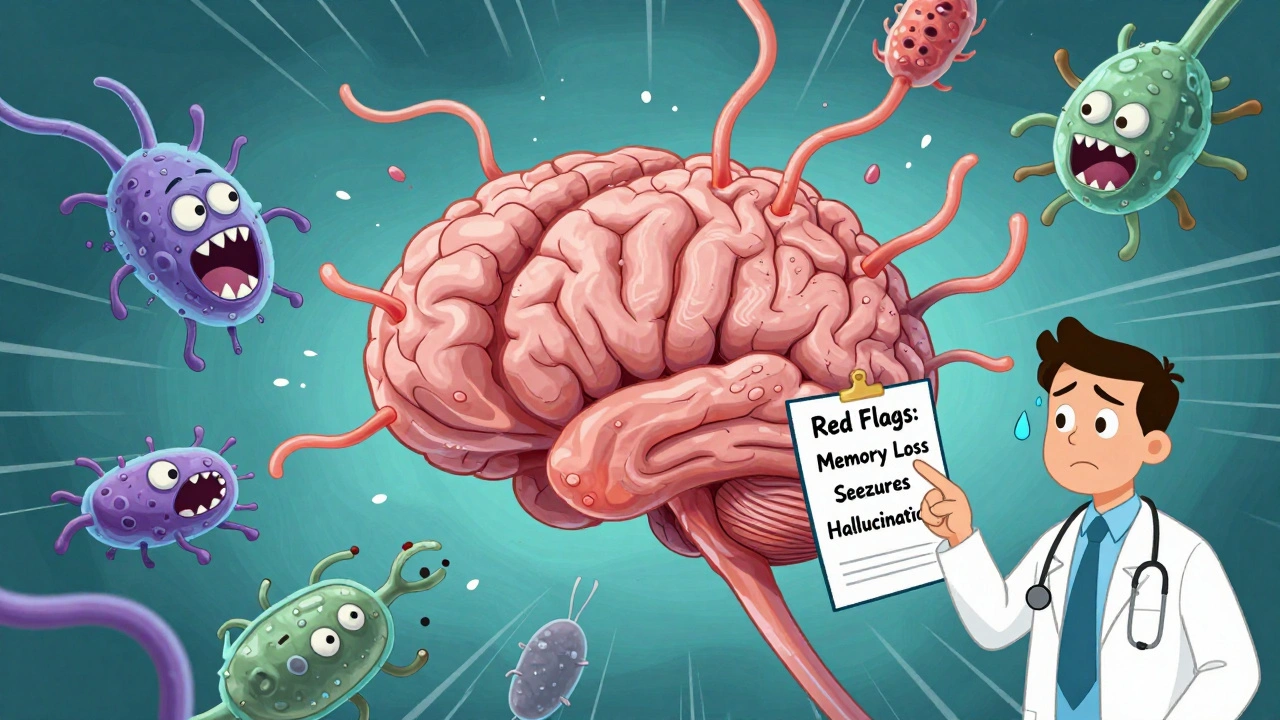
Autoimmune encephalitis is a rare but treatable brain disorder triggered by antibodies attacking nerve cells. Recognizing early signs like seizures, memory loss, and behavioral changes can save lives. Treatment works best when started quickly.
 Health and Wellness