
When you take a medicine, you expect it to help—not hurt. But adverse drug reactions, unintended and harmful responses to medications at normal doses. Also known as drug side effects, they range from a mild rash to organ failure—and they’re far more common than most people realize. The FDA estimates that over 1.3 million emergency room visits each year in the U.S. are due to these reactions. Many aren’t random. They’re tied to your genes, your other meds, or even how your body processes drugs over time.
Pharmacogenomics, the study of how genes affect how your body responds to drugs. Also known as personalized medicine, it’s changing how doctors choose treatments. For example, if you’re about to start azathioprine for an autoimmune condition, a simple genetic test for TPMT or NUDT15 can tell you if you’re at risk for deadly bone marrow suppression. Same with phenytoin—blood levels must be watched closely because small changes can mean the difference between control and toxicity. These aren’t rare edge cases. They’re standard precautions for drugs that have narrow safety windows.
Then there’s drug interactions, when two or more medications clash in harmful ways. Mixing beta-blockers with certain calcium channel blockers can slow your heart too much. Fentanyl patches can overdose you if you’re not tapered properly. Even something as simple as grapefruit juice can make your cholesterol drug dangerously strong. These aren’t myths. They’re documented risks, and they show up again and again in real cases—like patients who took clindamycin for a tooth infection only to develop a life-threatening C. diff infection because their gut flora was wiped out.
It’s not just about what’s on the label. It’s about what’s in your body, what you’ve taken before, and what you’re taking now. That’s why knowing your own history matters. If you’ve had a bad reaction to one antibiotic, you might react to others in the same class. If you’re on multiple prescriptions, your pharmacist should be checking for clashes—not just filling bottles.
And while some reactions are unavoidable, many are preventable. Genetic testing, careful dosing, avoiding unnecessary drugs, and spotting early signs like unexplained fatigue, rashes, or confusion can save lives. This collection of posts doesn’t just list problems—it shows you how to recognize them, avoid them, and respond when they happen. You’ll find real stories and clear science on how azathioprine, fentanyl, phenytoin, and dozens of other drugs can go wrong—and how smart choices keep them from going wrong for you.
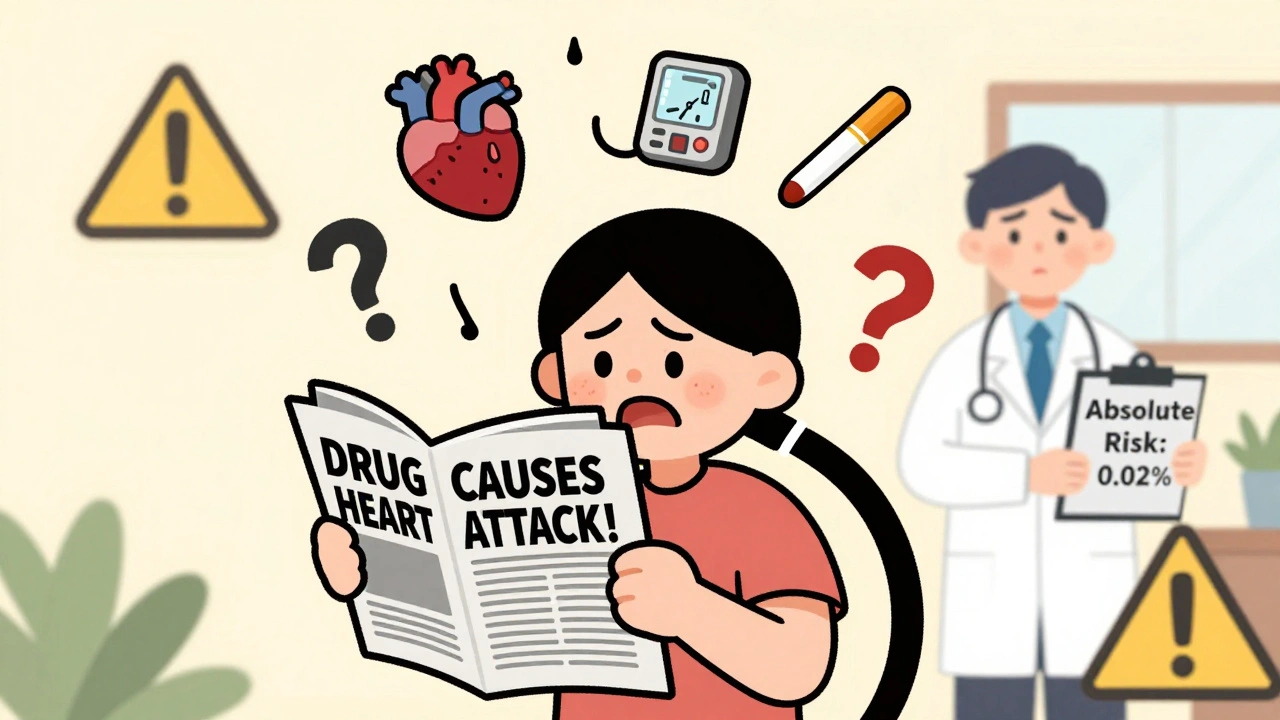
Learn how to spot misleading media reports about medication safety by checking study methods, understanding risk numbers, and verifying sources. Don't let fear drive your health choices - use facts instead.
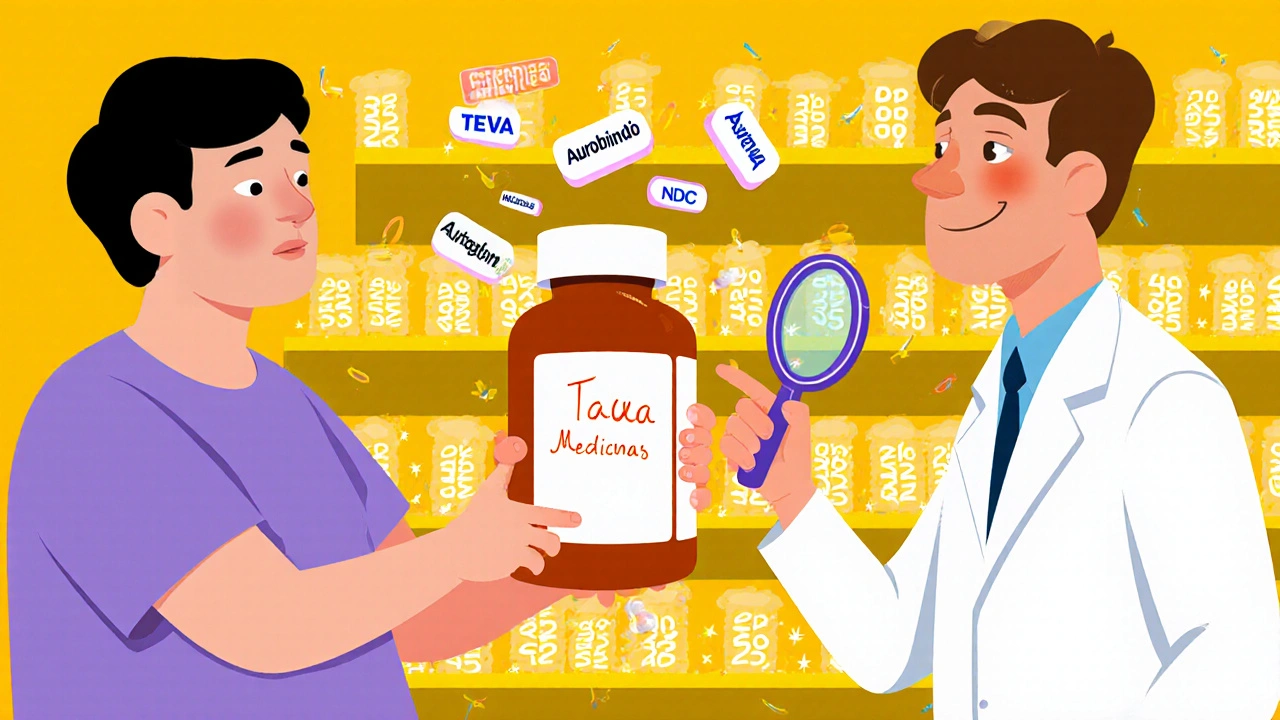
Learn how to properly report serious side effects from generic drugs to the FDA. Understand why underreporting happens, how to identify the manufacturer, and why your report matters for drug safety.
 Health and Wellness