
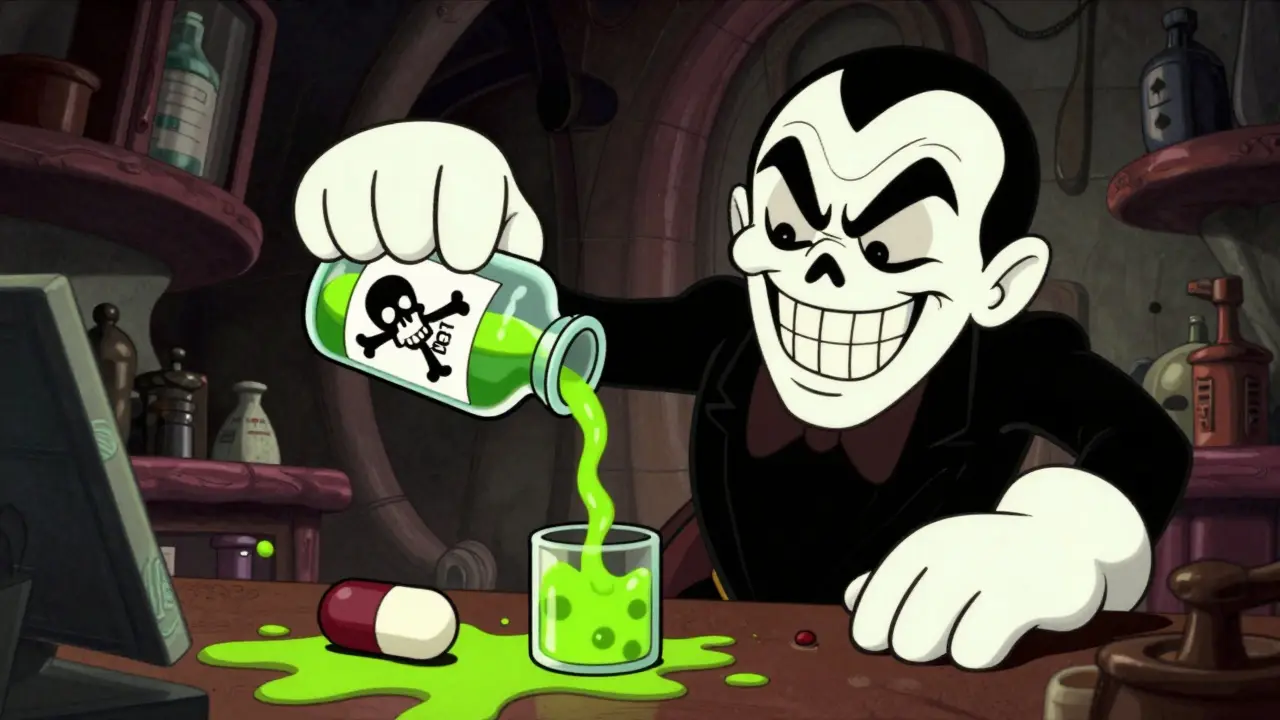
When people think of fake medicine, they usually imagine a pill that simply doesn't work-a "sugar pill" that leaves a condition untreated. But there is a much darker side to this industry. The real danger isn't just that these drugs are ineffective; it's that they are often laced with toxic chemicals, heavy metals, and lethal synthetic opioids. We aren't just talking about a lack of active ingredients, but the active introduction of poison into the bloodstream.
The scale of this problem is staggering. The World Health Organization (WHO) estimates that about 10.5% of medications globally are either substandard or falsified. This isn't a niche issue affecting only a few remote regions. From the suburbs of the US to the cities of Southeast Asia, a multibillion-dollar illicit industry is churning out products that can cause permanent organ damage or instant death. In a terrifying trend, the gap between "fake" and "lethal" has narrowed as criminals use cheaper, more dangerous fillers to mimic the effects of real drugs.
The Poison in the Pill: Four Main Types of Contaminants
To understand why counterfeit drugs are so dangerous, we have to look at what is actually inside them. Criminals don't follow pharmacy standards; they use whatever industrial chemicals are cheap and available. These contaminants generally fall into four categories, each with its own set of horrors.
First, there are chemical contaminants. This is one of the most common and diverse groups. Lead, mercury, and arsenic are frequently found in fake weight-loss products. In some cases, these heavy metals appear at concentrations 120 times higher than the permissible limits, leading to acute renal failure and permanent brain damage. Then you have industrial solvents. Ethylene glycol and diethylene glycol-chemicals used in antifreeze-have been found in counterfeit cough syrups. These solvents cause a condition called metabolic acidosis, which essentially shuts down the kidneys. In 2022, this led to the tragic death of 66 children in Gambia.
Second, we see microbial contaminants. When drugs are made in "kitchen labs" rather than sterile facilities, bacteria like Bacillus cereus and Pseudomonas aeruginosa sneak in. For people using counterfeit injectables, this is a nightmare scenario. These pathogens can cause severe sepsis and deep abscesses. An FDA investigation into fake epinephrine vials in Texas showed how quickly this can escalate, resulting in 17 hospitalizations from contaminated injections.
Third, and perhaps most lethal, are synthetic opioids. To make a fake pill "feel" like it's working, manufacturers add Fentanyl. Because fentanyl is incredibly potent, a tiny miscalculation in dosage can be fatal. Some counterfeit prescription pills have been found containing between 0.5mg and 3.2mg of fentanyl-which can be up to 320 lethal doses in a single tablet. This has contributed to tens of thousands of overdose deaths in the US alone.
Finally, there are fillers and analogues. Not all contaminants are poisons in the traditional sense, but they are dangerous nonetheless. Some fake cancer meds contain talc or chalk. When injected, these particles cause granulomatous disease, where the body forms inflammatory nodules in the lungs or other organs. Others use "analogues," which are slightly different chemical versions of a drug. For example, some fake erectile dysfunction pills contain uncontrolled doses of sildenafil analogues that can cause priapism-a prolonged erection that can lead to permanent tissue death if not treated immediately.
How the Risks Go Beyond "Treatment Failure"
If a malaria drug is just a piece of chalk, the patient doesn't get better, and the disease progresses. That is inefficiency. But when that drug contains a subtherapeutic dose of the active ingredient combined with a contaminant, it creates a new, more complex problem: drug resistance. In Cambodia, counterfeit antimalarials with tiny amounts of artemisinin have essentially "trained" the Plasmodium falciparum parasite to resist the drug, making the disease harder to treat for everyone.
| Contaminant Type | Common Examples | Primary Health Risk | Example Scenario |
|---|---|---|---|
| Industrial Solvents | Ethylene glycol | Acute Kidney Injury | Contaminated cough syrups (Gambia 2022) |
| Heavy Metals | Lead, Arsenic | Neurological damage | Fake weight-loss supplements |
| Synthetic Opioids | Fentanyl | Respiratory arrest/Overdose | Counterfeit oxycodone/prescription pills |
| Microbes | Pseudomonas aeruginosa | Sepsis, Abscesses | Unsterile injectable vials |
Beyond the physical toxicity, these drugs cause unpredictable systemic reactions. Users on forums like Reddit have reported "blue skin syndrome" after taking fake oxycodone that was dyed with methylene blue. Other patients have developed new-onset diabetes after using fake weight-loss pills contaminated with thiazolidinedione derivatives. The danger is total: your heart can develop arrhythmias, your vision can blur, or your kidneys can simply stop working.
Spotting the Fakes: What You Can Actually Do
How do you tell a life-saving medicine from a lethal counterfeit? For most of us, it's hard, but there are clear red flags. First, look at where you are buying. The FDA's BeSafeRx program found that over 96% of websites selling prescription drugs operate illegally. If a site doesn't require a prescription or offers prices that seem too good to be true, it's almost certainly a scam.
Pharmacists use visual inspection to catch many of these. They look for inconsistent font sizes, spelling errors on the packaging, or pills that crumble easily. However, high-end counterfeits are getting better. Professional-grade detection now requires Raman spectrometers-handheld devices that can identify the chemical signature of a drug in seconds with over 94% accuracy.
If you are in a high-risk area, always stick to licensed pharmacies. The World Health Organization maintains a Medical Product Alert system. For instance, a recent alert identified fake Ozempic vials that actually contained insulin glargine. For someone without diabetes, injecting insulin instead of semaglutide leads to severe hypoglycemic emergencies, which can cause coma or death.
The Future of Drug Security
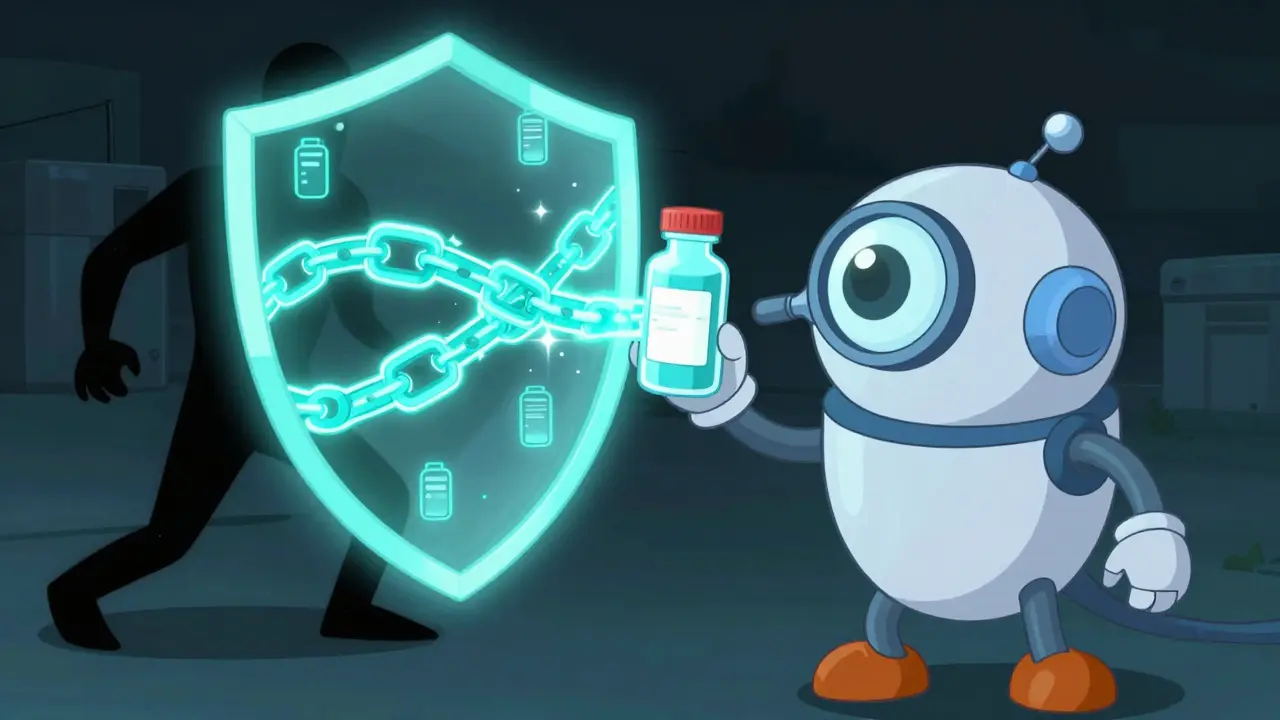
The battle against fake drugs is becoming a tech war. One of the most promising tools is blockchain technology. By creating an unchangeable digital ledger of a drug's journey from the factory to the pharmacy, pilot programs have seen counterfeit infiltration drop by over 73%. When every hand that touches a bottle is recorded, it's much harder for a criminal to swap a real batch for a contaminated one.
We are also seeing the rise of non-invasive sensors, like the CDS-1, which can detect chemical contaminants without even opening the package. But technology only goes so far. Until international regulations are harmonized, criminals will continue to exploit the weakest links in the global supply chain. If we don't close these gaps, experts warn that deaths from drug contaminants could jump by 40% by 2027.
Can I tell if a drug is counterfeit just by looking at the pill?
Not always. While some fakes have a different color, texture, or a strange smell (like chemicals or vinegar), many modern counterfeits look identical to the real thing. The most reliable way to ensure safety is to buy only from verified, licensed pharmacies.
What should I do if I suspect I took a contaminated fake drug?
Seek emergency medical attention immediately, especially if you experience shortness of breath, dizziness, or severe abdominal pain. Save the packaging and the remaining pills to provide to doctors; this helps them identify the specific contaminant and provide the correct antidote or treatment.
Why would a criminal add fentanyl to a non-opioid drug?
Fentanyl is cheap, easy to produce in clandestine labs, and highly addictive. By adding it to a fake pill, the criminal ensures the user "feels" a strong effect, which tricks them into thinking the drug is high-quality or potent, leading to repeat purchases.
Are counterfeit drugs more common in developed countries?
While low- and middle-income countries face higher rates of substandard medicine, developed nations are seeing a massive surge in contaminated fakes due to online pharmacies. Europol reported a 317% increase in contaminated drug seizures in some regions between 2018 and 2022.
Does the WHO track these dangerous medications?
Yes, the World Health Organization operates the Medical Product Alert system, which warns countries and health providers about specific batches of falsified medicines and the contaminants found within them.
Next Steps for Your Safety
If you frequently purchase medications online, your first priority should be verifying the pharmacy. Look for the VIPPS (Verified Internet Pharmacy Practice Sites) seal or equivalent national certifications. Never buy medication from social media platforms or "no-prescription" websites.
For those in high-risk environments, consider using a drug testing kit if you are dealing with prescription painkillers, as these are the most likely to be laced with fentanyl. If you notice a change in the packaging, a different taste, or an unexpected side effect from a medication you've used before, stop taking it immediately and report the batch number to your local health authority.
 Health and Wellness