
When you’re on biologic medications, highly complex drugs made from living organisms, often requiring refrigeration and careful handling. Also known as biologics, these treatments are essential for conditions like rheumatoid arthritis, Crohn’s disease, multiple sclerosis, and psoriasis. But if you’re planning a trip, whether across the country or overseas, traveling with biologics isn’t just about packing a bag—it’s about protecting your treatment. These drugs aren’t like pills you can toss in your pocket. They’re sensitive to heat, light, and freezing. One wrong temperature spike can make them useless—or worse, unsafe.
That’s why cold chain travel, the process of maintaining a strict temperature range during transport. It’s the backbone of safe biologic delivery matters so much. Most biologics need to stay between 36°F and 46°F (2°C to 8°C). If you’re flying, your checked luggage can hit freezing temps in the hold or overheat in the cargo bay. That’s why carry-on is non-negotiable. TSA allows medical supplies through security, even ice packs and coolers—but you’ll need to declare them. Keep your prescription label and doctor’s note handy. Airlines and airport staff see this all the time, but being prepared saves stress.
Then there’s biologic storage, how you keep your meds stable during layovers, hotel stays, or road trips. Portable coolers with reusable gel packs work well, but not all are created equal. Look for ones tested for medical use, not just picnic coolers. Some patients use battery-powered mini-fridges or temperature-monitoring devices that send alerts if things go out of range. These tools aren’t luxury—they’re insurance. And don’t forget time zones. If your injection schedule is tied to your local time, shifting it by six hours can throw off your body’s rhythm. Talk to your doctor ahead of time about adjusting doses if needed. You’ll also need to know what to do if your medication gets damaged. Some manufacturers offer emergency replacement programs for travelers. Keep their contact info in your phone, not just your wallet. And always pack extra—just in case your flight gets delayed or your cooler fails.
What you’ll find below are real-world stories and practical guides from people who’ve been there. You’ll learn how to pack your biologics for a 12-hour flight without ice melting, how to handle airport security without a meltdown, and what to do if you lose your meds abroad. There’s advice on using insulin pens on the go, storing biologics in a hot car, and even how to explain your treatment to hotel staff who ask why you’re carrying a cooler. These aren’t theoretical tips—they’re what works when your health depends on it.
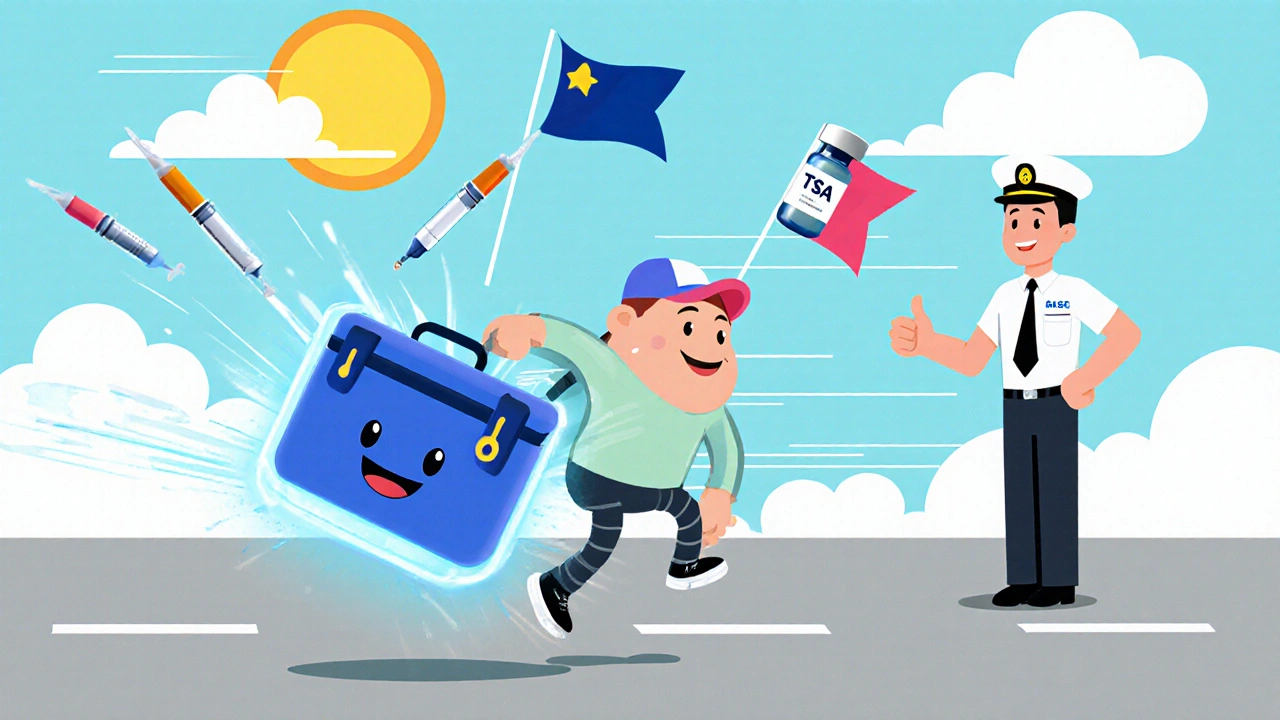
Learn the safest, most reliable ways to keep insulin, biologics, and other refrigerated medications at the right temperature while traveling. Discover which coolers work best in 2025 and how to avoid common mistakes.
 Health and Wellness