
When light feels painful—even indoor lighting—you’re not just being sensitive. You’re experiencing photophobia, an abnormal intolerance to light that’s often a symptom, not a condition itself. Also known as light sensitivity, it can turn a sunny day into a migraine trigger or make reading under a lamp feel like staring into a spotlight.
Photophobia doesn’t happen in isolation. It’s linked to medication side effects, especially from drugs that affect the nervous system or pupil response. For example, some antibiotics, antidepressants, and even common pain relievers can cause pupils to react abnormally, making the eyes more vulnerable to light. It also shows up with eye conditions, like uveitis or corneal abrasions, and neurological issues such as neurological disorders, including migraines, meningitis, or traumatic brain injury. In kids, it might follow a viral infection. In older adults, it can be tied to cataracts or glaucoma treatments. The key? It’s rarely just about the eyes.
What you might think is a simple annoyance could be your body signaling something deeper. If photophobia comes with headaches, nausea, blurred vision, or changes in pupil size, it’s not just discomfort—it’s a red flag. Some drugs, like those used for autoimmune diseases or mental health, can trigger it through how they alter nerve signals or eye muscle control. Others, like certain antivirals or chemotherapy agents, damage the cornea or retina indirectly. Even stopping a medication suddenly can cause rebound light sensitivity. That’s why tracking your meds matters. If you’ve started a new pill and suddenly squinting in daylight feels unbearable, it’s worth asking: Is this the drug?
And it’s not just about what you take. Conditions like albinism, meningitis, or even severe dry eye can make photophobia worse. Some people are born with it. Others develop it after eye surgery or prolonged screen use. The common thread? Your eyes are overloaded, and your brain is screaming for relief. That’s why managing it isn’t just about tinted glasses—it’s about finding the root cause. The posts below cover real cases where medications triggered light sensitivity, how genetic factors play a role in drug reactions, and what steps you can take to protect your vision before it gets worse. You’ll find practical advice on spotting warning signs, adjusting treatments, and knowing when to push back on your doctor. This isn’t guesswork. It’s what people actually deal with—and how they fix it.
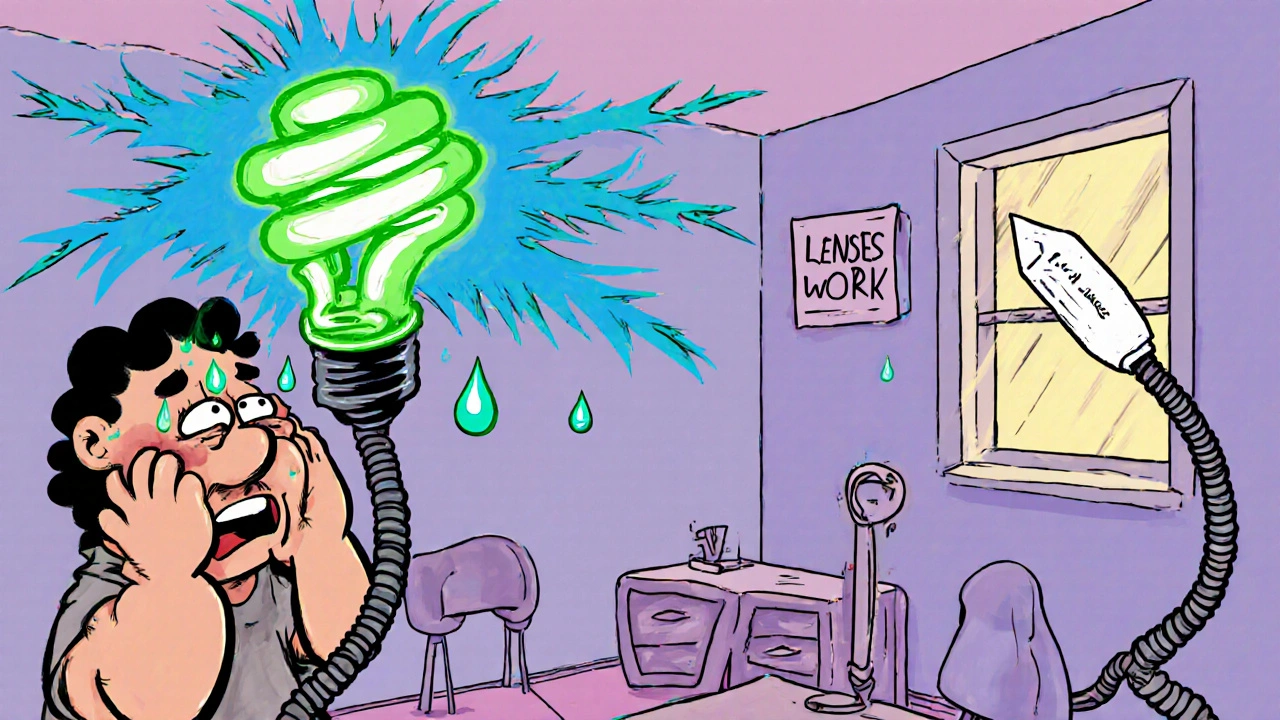
Photophobia is not just being sensitive to light - it's a warning sign of underlying eye or neurological conditions. Learn the real causes, how FL-41 lenses help, and what to do if light hurts your eyes.
 Health and Wellness