
When your myelosuppression, a condition where the bone marrow produces fewer blood cells. Also known as bone marrow suppression, it happens when drugs or diseases damage the stem cells that make red blood cells, white blood cells, and platelets. This isn’t just a lab result—it’s a real risk that can delay treatment, lead to infections, or force hospital stays.
Myelosuppression is most often tied to chemotherapy, cancer drugs designed to kill fast-growing cells, including those in bone marrow. But it’s not just chemo—some antibiotics, antivirals, and even autoimmune meds like azathioprine can cause it. You’ll see it in blood tests: low hemoglobin (anemia), low neutrophils (neutropenia), or low platelets (thrombocytopenia). These aren’t just numbers—they mean you’re more likely to get sick, feel tired, or bleed easily. If you’re on treatment and notice unexplained bruising, fever, or extreme fatigue, it’s not just "feeling off." It could be your bone marrow slowing down.
Doctors don’t just watch for myelosuppression—they plan around it. Blood counts are checked before every chemo cycle. If counts drop too low, doses get delayed or reduced. Growth factors like filgrastim help boost white blood cells. Sometimes, treatment switches to less toxic options. It’s not about avoiding treatment—it’s about making it safer. And while you can’t stop myelosuppression on your own, you can spot early signs and speak up. Knowing what to look for gives you real control.
The posts here cover what happens when drugs hit your blood cells, how to recognize trouble before it becomes an emergency, and how other treatments—like antibiotics or immunosuppressants—can have similar effects. You’ll find real-world advice on managing side effects, understanding lab reports, and knowing when to call your doctor. This isn’t theory. It’s what people actually deal with while fighting illness.
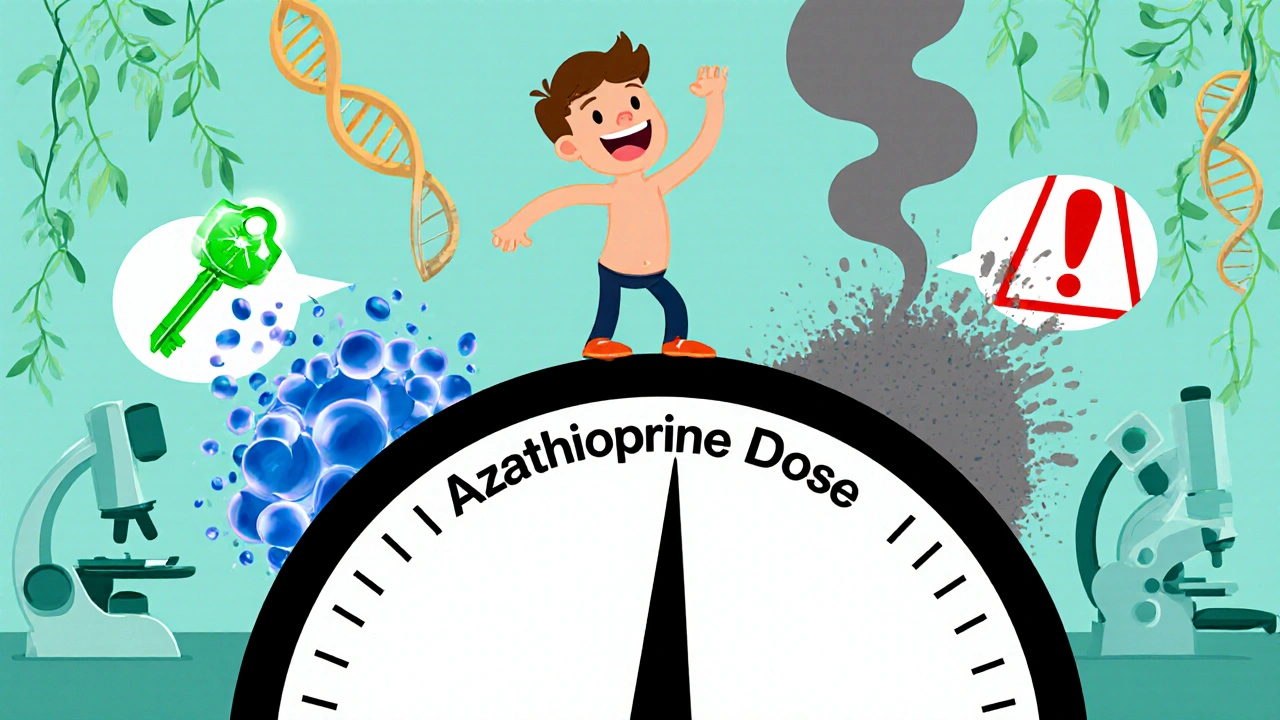
TPMT and NUDT15 genetic testing before starting azathioprine can prevent life-threatening blood cell loss. Learn how your genes affect your risk, what doses are safe, and why regular blood tests still matter.
 Health and Wellness