
When you buy medicine, the medicine seal verification, the process of checking a drug’s packaging for tamper-evident seals, batch codes, and official markings to confirm it’s real. Also known as drug authenticity check, it’s not just a formality—it’s your first line of defense against deadly fake pills. Counterfeit medications don’t just waste your money. They can contain toxic chemicals, wrong doses, or nothing at all. The World Health Organization estimates that 1 in 10 medical products in low- and middle-income countries are fake. Even in places with strict regulations, online pharmacies and shady vendors slip through the cracks.
Real medicine packaging follows clear patterns. Look for a tamper-evident seal that breaks when opened. Check for a unique batch number and expiration date printed clearly—not smudged or sticker-overlaid. Legitimate drugs often have holograms, microprinting, or UV-reactive ink. If the box feels flimsy, the text looks blurry, or the pills look different from what you’ve taken before, stop. counterfeit medication, fake drugs designed to look real but containing harmful or inactive ingredients is a growing problem, especially for high-demand drugs like insulin, antibiotics, and ED medications. Many people buy online because it’s cheaper, but without verifying the seal and the pharmacy’s legitimacy, you’re risking your life.
pharmacy safety, the practice of ensuring medications come from licensed, regulated sources with proper storage and handling starts with knowing where you buy. Never trust a website that doesn’t ask for a prescription, offers drugs at 90% off, or ships from overseas without clear contact info. Real pharmacies display their license number, have a physical address, and let you talk to a pharmacist. The same goes for local stores—if the bottle looks off, ask to see the original packaging from the distributor. You have the right to know where your medicine comes from.
Medicine seal verification isn’t just for patients. It’s a tool for caregivers, seniors, and anyone managing chronic conditions. A fake blood pressure pill could trigger a stroke. A counterfeit antibiotic might make an infection worse. These aren’t hypothetical risks. There are real cases where people ended up in the ER because they took a fake version of a common drug. The good news? You don’t need a degree in pharmacology to spot red flags. You just need to know what to look for—and what to do when something feels wrong.
Below, you’ll find real stories and practical guides on how to protect yourself. From checking the seal on your insulin pen to spotting fake Cialis Black pills, these posts give you the exact steps to take before you swallow anything. You’ll learn which online pharmacies are safe, how to verify batch codes, and what to do if you think you’ve been sold counterfeit drugs. This isn’t theory. It’s survival advice, written by people who’ve seen the damage fake meds cause—and who want to make sure you stay safe.
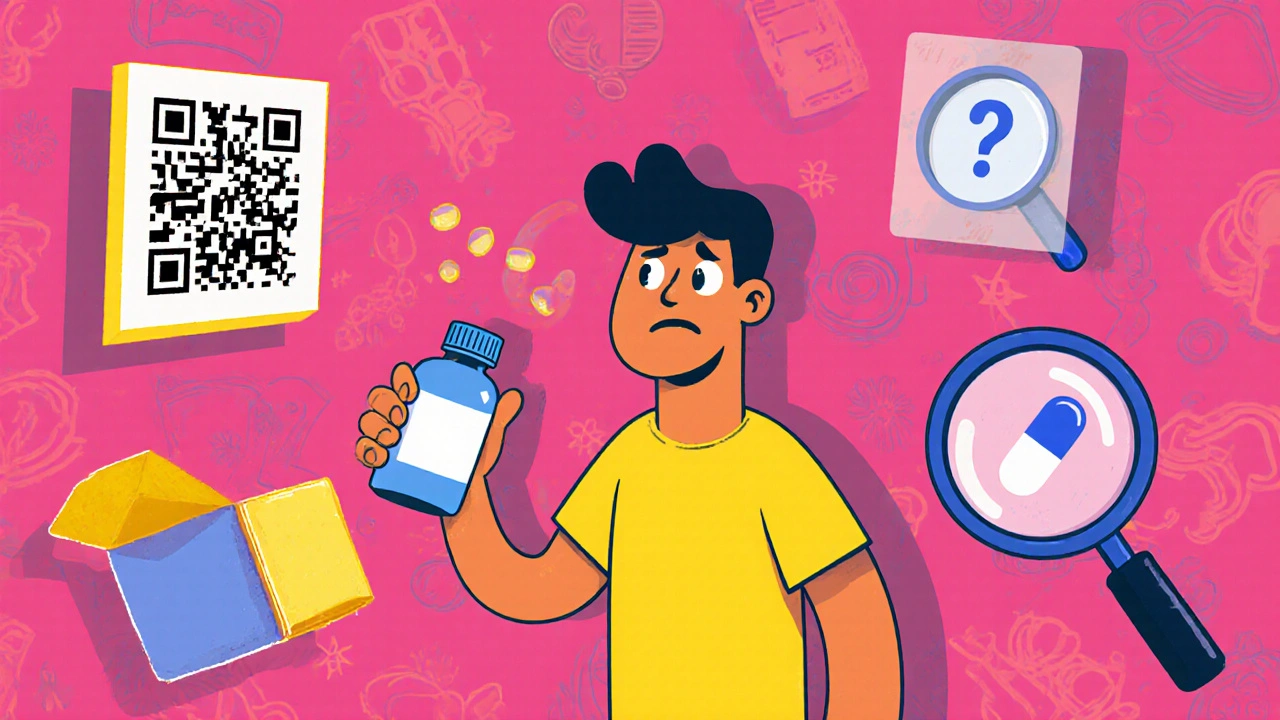
Learn how to spot fake medication packaging and seals using simple visual checks, UV light, and digital verification. Protect yourself from dangerous counterfeit drugs that look real but can harm or kill.
 Health and Wellness