
When your child takes medicine, managing kids' medicine side effects, the process of recognizing and reducing unwanted reactions to medications in children. Also known as pediatric drug safety, it’s not just about giving the right dose—it’s about understanding how a child’s body reacts differently than an adult’s. Kids aren’t small adults. Their liver and kidneys are still developing, their weight changes fast, and even small dosing errors can lead to big problems. A cough syrup that helps one child might make another dizzy or nauseous. A common antibiotic might trigger a rash in one and cause diarrhea in another. That’s why side effects in children aren’t random—they’re predictable if you know what to look for.
One of the biggest risks comes from polypharmacy in children, the use of multiple medications at once, often without full awareness of how they interact. Many parents don’t realize that an over-the-counter cold medicine combined with an antibiotic or allergy pill can double up on ingredients like acetaminophen or antihistamines. That’s how accidental overdoses happen. Then there’s pharmacogenomics, how a child’s genes affect how their body breaks down drugs. Some kids process certain antibiotics or seizure meds much slower, leading to toxic buildup. Testing for genes like TPMT or NUDT15 isn’t just for adults—it’s becoming part of safer pediatric care, especially for kids on long-term treatments.
Side effects aren’t always obvious. A child might just seem "off"—more tired than usual, less hungry, or suddenly irritable. These aren’t just "bad days." They could be signs of liver stress, low blood sugar, or a reaction to a new drug. That’s why keeping a simple log helps: note what medicine was given, when, and any changes in behavior, sleep, appetite, or skin. You don’t need a medical degree to spot patterns. And if something feels wrong, trust your gut. Doctors rely on parents to be the first line of defense.
Some side effects are preventable with simple steps. Always check for duplicate ingredients. Use the right measuring tool—never a kitchen spoon. Ask if a liquid form is available instead of a pill you have to crush. And never assume a drug is safe just because it’s sold over the counter. Even natural supplements can interfere with prescriptions. The posts below give you real, practical ways to reduce risk: how to spot counterfeit meds, how to safely split pills for kids, what to do when a child vomits after taking medicine, and how to report bad reactions so others stay safe too.
Managing kids' medicine side effects isn’t about being perfect. It’s about being informed, observant, and proactive. You’re not alone in this. Thousands of parents have been here—and the insights in these articles can help you avoid the mistakes they made.
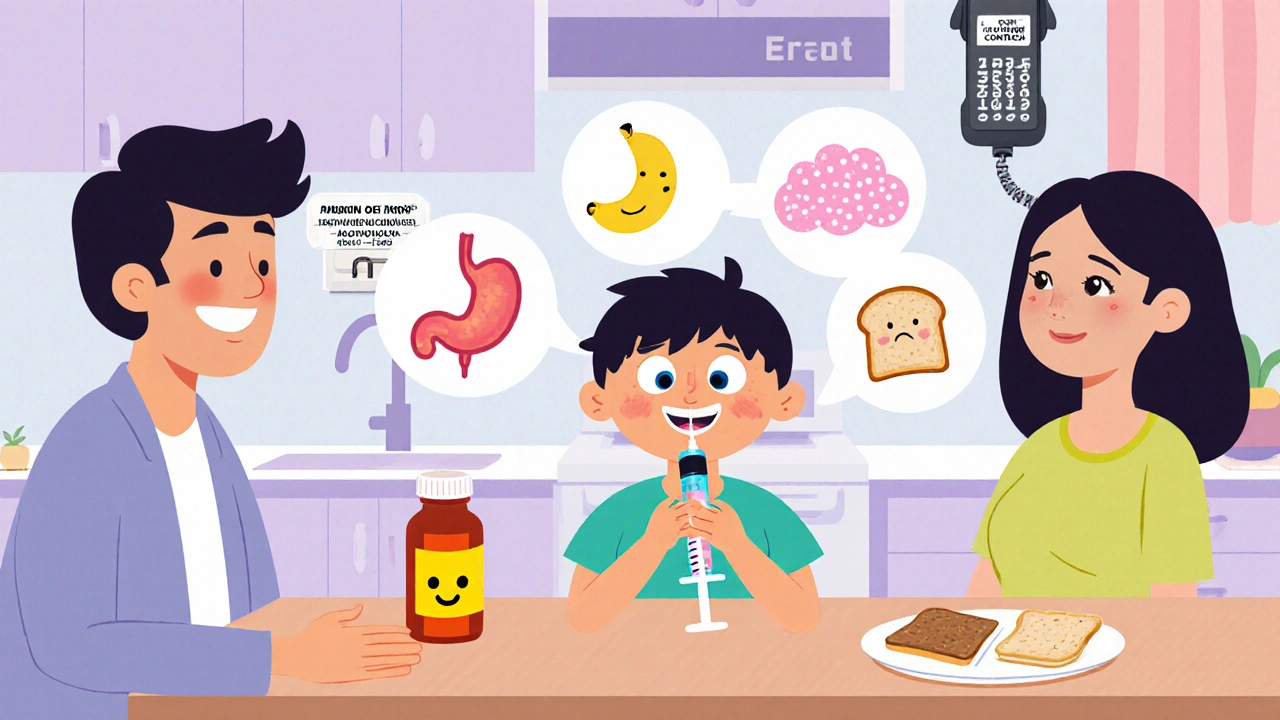
Learn how to safely manage common pediatric medication side effects at home, from upset stomach to allergic reactions. Get practical tips on dosing, storage, when to call the doctor, and how to prevent accidents.
 Health and Wellness