
When one eye doesn't work properly with the brain, it's called amblyopia, a condition where the brain ignores input from one eye, leading to reduced vision even with corrective lenses. Also known as lazy eye, it's not about the eye being weak—it's about the brain choosing not to use it. This isn't just a kid’s problem. While it often starts in childhood, untreated amblyopia can stick around into adulthood, affecting depth perception, driving safety, and even job choices.
strabismus, a misalignment of the eyes where one turns inward, outward, up, or down is the most common cause. When your eyes don’t line up, your brain shuts off the blurry or double image from the turned eye to avoid confusion. Another cause is refractive error, a major difference in prescription between the two eyes—like one eye being severely nearsighted while the other is normal. The brain just picks the clearer image and ignores the blurry one. Even cataracts or droopy eyelids that block vision early in life can trigger it.
Treatment isn’t one-size-fits-all. For kids, the classic patch over the stronger eye still works because it forces the brain to listen to the weaker eye. But newer methods like atropine eye drops (which blur the good eye temporarily) or vision therapy exercises are gaining ground. Adults used to be told it was too late—but recent studies show the brain can still adapt, even after 30. Vision training apps, specialized glasses, and even video game therapy are now part of real treatment plans.
What you won’t find in most doctor’s offices? Quick fixes. Lazy eye doesn’t go away with glasses alone. It’s not something you can just ‘train yourself’ out of without professional guidance. And ignoring it? That’s risky. People with untreated amblyopia are more likely to lose vision in their good eye later in life from injury or disease, with no backup.
There’s no magic pill, but there are proven paths. Whether you’re a parent noticing your child squinting, or an adult who’s always had trouble with depth perception, the right diagnosis and timing make all the difference. Below, you’ll find real stories, science-backed treatments, and practical advice on how to fix or manage lazy eye—no fluff, no myths, just what works.
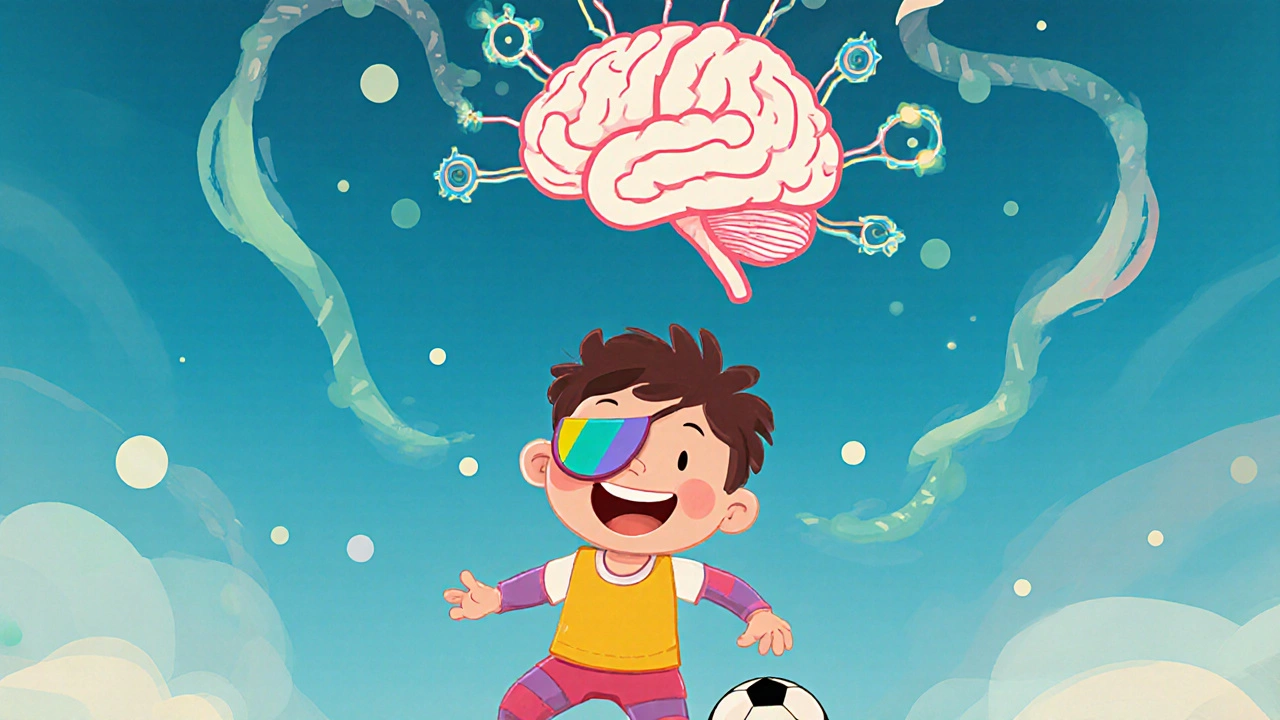
Amblyopia, or lazy eye, is the leading cause of childhood vision loss-but it's treatable. Patching therapy, atropine drops, and digital tools can restore vision if caught early. Learn how it works and why timing matters.
 Health and Wellness