
Doctor Appointment Preparation Checker
Preparation Checklist
Check the items you've prepared for your doctor visit
What to Bring to Your Doctor Appointment
Showing up to your doctor’s office without the right things can turn a 15-minute visit into a frustrating, half-hour scramble. You might forget your meds, miss an important symptom, or leave without answers. It doesn’t have to be that way. The difference between a rushed visit and a productive one often comes down to what you bring - and how you prepare.
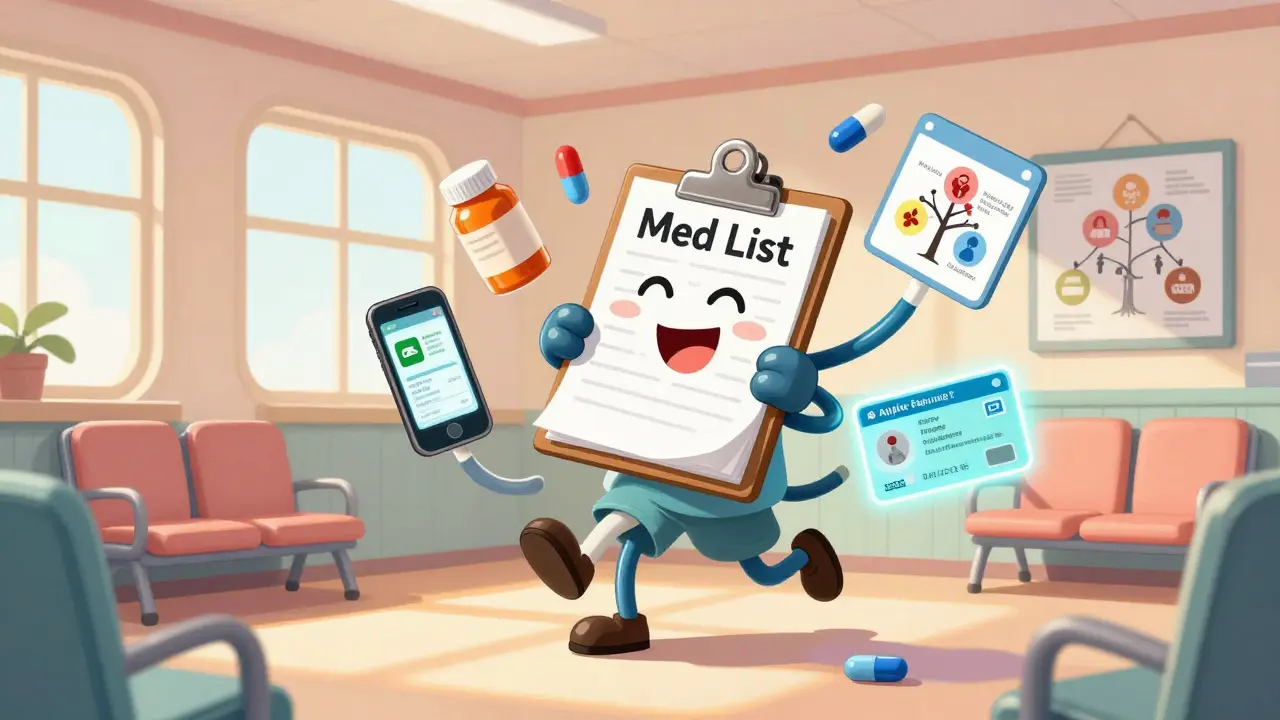
Start with your medication list. Don’t just say, “I take blood pressure pills.” Write down every pill, patch, liquid, or supplement. Include the name (like “Lisinopril 10mg”), how much you take (e.g., “one tablet”), when (e.g., “every morning”), why (e.g., “for high blood pressure”), who prescribed it (e.g., “Dr. Patel”), and how long you’ve been on it. Mayo Clinic found that patients who bring accurate lists have 37% fewer medication errors during visits. Most people get this wrong - 45% of initial lists contain mistakes. Use your pharmacy app, pill bottle labels, or even a photo of your medicine cabinet. Don’t guess. Be exact.
Bring your health insurance card and a government-issued photo ID. Many clinics now require both to check you in. If you’ve switched plans recently, confirm your provider is still in-network. Ambetter Health reminds members to verify this before the day of your visit - no one wants to be turned away because your plan changed.
Don’t forget your family health history. Write down major conditions in your parents, siblings, or grandparents: heart disease, diabetes, cancer, stroke, mental health disorders. Mayo Clinic recommends going back at least three generations. If your mom had breast cancer at 45, your doctor needs to know. This isn’t just small talk - it changes screening timelines and risk assessments.
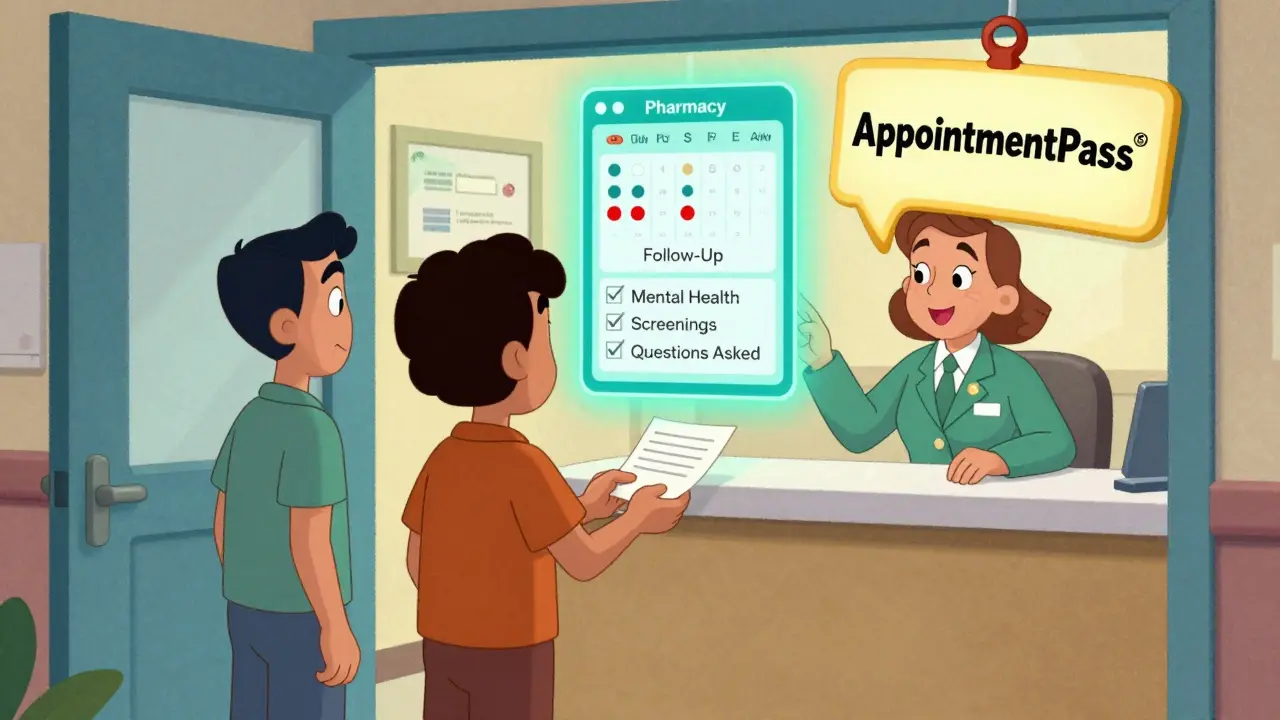
Bring any completed forms the clinic sent you. If they asked for a symptom tracker or pre-visit questionnaire, fill it out. Cleveland Clinic’s AppointmentPass® system lets you submit this digitally before you even walk in. If you’re not using an app, print it. Paper forms still matter.
And yes - bring your phone. Not to scroll, but to show your doctor your health data. Apple Health and Google Fit sync step counts, heart rate, sleep patterns, and even blood pressure logs from wearable devices. AdventHealth’s AI tools now pull this data automatically. If you’ve been tracking your symptoms or activity, your doctor can see trends you might miss.
What to Discuss: The 12 Topics You Can’t Skip
Doctors don’t read minds. Even if you feel like you’ve talked about everything, there’s a good chance you’ve left out something critical. Use this list to make sure nothing slips through.
Start with medications. Even if you brought a list, ask: “Is this still the right dose?” or “Could any of these interact with my new supplement?” Many patients don’t realize that over-the-counter painkillers or herbal remedies can interfere with prescriptions. St. Joseph Hospital Bangor found that patients who asked about interactions had 28% fewer adverse events in the following month.
Be specific about symptoms. Don’t say, “I feel tired.” Say, “I’ve been exhausted every afternoon since November. It gets worse if I skip lunch. I sleep 8 hours but still wake up drained.” Include: when it started, how often it happens, how bad it is on a scale of 1 to 10, and what makes it better or worse. AdventHealth’s guidelines stress this - vague descriptions lead to misdiagnoses. If you’ve been tracking symptoms in a journal or app, share it.
Discuss lifestyle habits honestly. No judgment, just facts. How many drinks a week? “Two on weekends.” How much exercise? “I walk 20 minutes three times a week.” Are you still smoking? “One pack a day for 15 years.” Do you use marijuana or other substances? Even if you think it’s “not a big deal,” your doctor needs to know. These details affect everything from liver tests to cancer risk.
Ask about preventive screenings. Are you due for a colonoscopy, mammogram, or skin check? Don’t wait for your doctor to bring it up. Ask: “Based on my age and family history, what tests should I be getting this year?”
Bring up mental health. Anxiety, sadness, trouble sleeping, irritability - these aren’t “just stress.” They’re medical issues. If you’ve felt down for more than two weeks, say so. The Institute for Healthcare Improvement found that patients who discussed mental health concerns during routine visits were 40% more likely to get timely support.
Ask about goals. Do you want to lose weight? Sleep better? Walk without pain? Say it out loud. Your doctor can’t help you reach a goal they don’t know about. And ask: “What’s one thing I should focus on this year?”
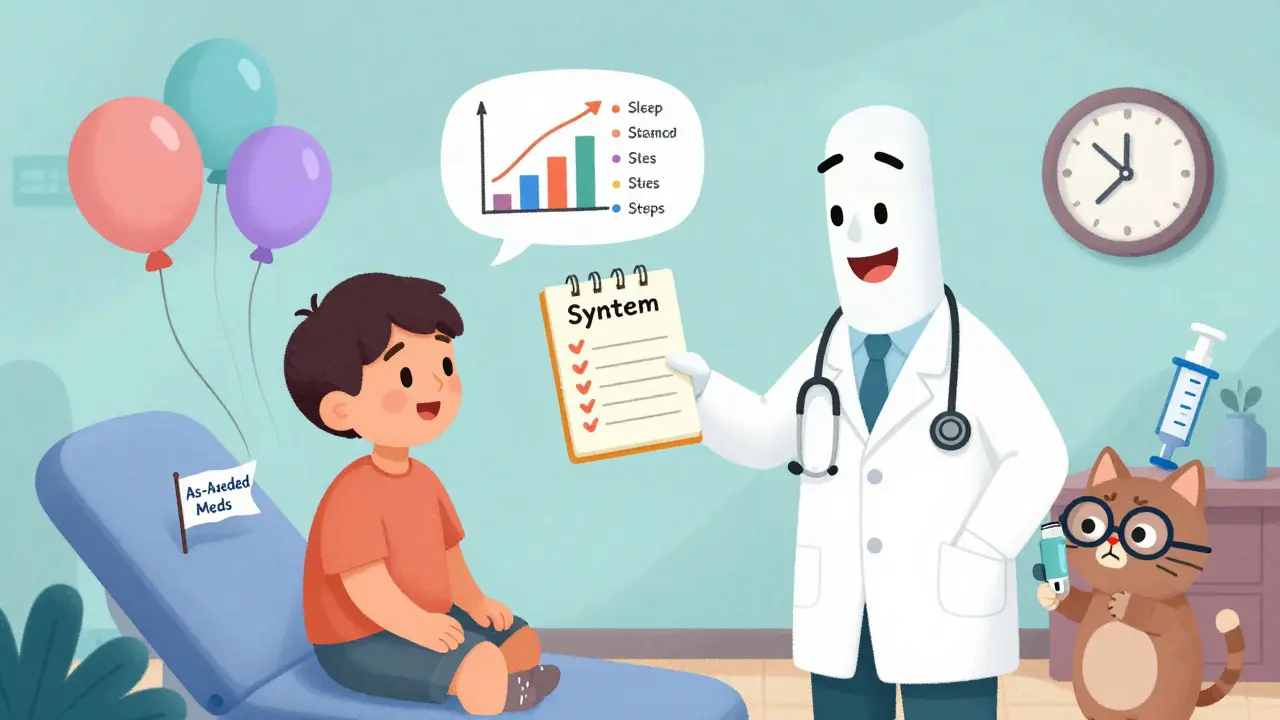
Don’t forget as-needed meds. That inhaler you use when you’re short of breath? The nitroglycerin you keep in your pocket? The ibuprofen you take for headaches? Mention them. AdventHealth’s protocols require these to be listed separately - they’re often missed, but they’re critical.
Questions to Ask Your Doctor
There’s no such thing as a dumb question. But there are questions that save time, money, and sometimes lives. Here are seven to use every time:
- Why are you recommending this test or treatment? Sometimes, the answer is “routine.” But if it’s not, you deserve to know why.
- What are the risks and side effects? Not just the common ones - the rare but serious ones too.
- Are there cheaper or simpler options? A $500 test isn’t always better than a $50 one. Ask.
- What happens if I don’t do this? Sometimes, watching and waiting is the right choice.
- What would you recommend if I were your mother/father/sibling? This cuts through jargon and gets you the honest answer.
- When should I follow up? Don’t assume you’ll get a call. Ask when and how.
- Where can I find more information I can trust? Avoid random websites. Ask for brochures, apps, or reputable sites like Mayo Clinic or the CDC.
How to Make the Most of Your Time
You have 10 to 20 minutes. Use them wisely. Here’s how:
Arrive early. Not “on time.” Early. Mayo Clinic says 15 to 25 minutes before your appointment is ideal - especially if it’s your first time at that clinic. Parking, check-in, paperwork - it all takes longer than you think. Cleveland Clinic’s AppointmentPass® system lets you check in online 30 minutes ahead. If your clinic uses it, do it. You’ll save time and avoid stress.
Write down your top 3 concerns before you go. Don’t rely on memory. Jot them on your phone or a sticky note. If you have more than three, rank them. Your doctor will focus on the top ones. If you don’t prioritize, you might leave without answers to the most important issue.
Bring someone with you. A partner, friend, or adult child. They’ll remember things you forget. They can ask questions you’re too nervous to ask. And if you’re given new instructions, they can help you follow them.
Take notes. Or record the conversation (ask permission first). You won’t remember everything. Write down key terms, next steps, and deadlines. “Start walking 30 minutes daily.” “Get blood test in two weeks.” “Call if fever hits 101.”
Ask for a summary before you leave. “So to make sure I got this right - you want me to stop the aspirin, start the walking, and come back in six weeks for the blood test?” Repeat it back. If they correct you, note the change.
What to Do After Your Appointment
The visit doesn’t end when you walk out. What you do next determines whether you actually get better.
Review your notes within 24 hours. Fill in gaps while it’s fresh. Did your doctor say “reduce sodium” - but how much? 1,500 mg? 2,000 mg? Call the office if you’re unsure.
Set reminders for follow-ups. Put them in your calendar. If you’re told to get a test in two weeks, set a reminder for a week before. Don’t wait for the letter.
Update your medication list. If your doctor changed something - stopped a drug, added one, changed the dose - update your list right away. Share the new version with your pharmacist and any other providers.
Track progress. If your goal was “less pain,” note how you feel each day for the next week. If you were told to walk more, log your steps. This data helps at your next visit.
Common Mistakes to Avoid
- Not bringing a list of meds - This is the #1 mistake. Even if you think you remember everything, you don’t.
- Waiting until the day of to prepare - Gathering records, writing questions, checking insurance - these take time. Start the night before.
- Being too vague - “I feel bad” doesn’t help. “My left knee hurts when I climb stairs, worse since last month” does.
- Not asking questions - You’re the expert on your body. Your doctor is the expert on medicine. You need both.
- Ignoring mental health - Anxiety and depression aren’t “in your head.” They affect your physical health. Say it out loud.
- Forgetting as-needed meds - Rescue inhalers, nitroglycerin, pain pills - these matter just as much as daily pills.
What’s Changing in 2026
Healthcare is getting smarter. By 2026, most clinics will expect you to come prepared - and they’re building tools to help.
Apps like Mayo Clinic’s now pull your pharmacy records automatically. If you use CVS, Walgreens, or Walmart Pharmacy, your meds sync to your profile. Cleveland Clinic’s AppointmentPass® now predicts your wait time with 87% accuracy. AdventHealth’s AI suggests questions based on your past visits and lab results.
By law, all major U.S. healthcare systems must now let you access and share your records electronically. If your doctor’s office says they can’t send your records to your phone, they’re wrong. Ask for the patient portal login.
Medicare now ties reimbursement to how well patients prepare. If your doctor’s clinic has low prep rates, they could lose money. That means they’re pushing you harder to come ready - and they’re giving you better tools to do it.
What if I forget something important during my appointment?
It happens. Don’t panic. Most clinics let you send a secure message through their patient portal after your visit. You can ask follow-up questions, clarify instructions, or add missing info. If you don’t have a portal, call the office. Nurses and medical assistants handle these requests daily. Just be clear: “I forgot to mention my new knee pain - can we discuss it next time?”
Do I need to bring my actual pill bottles?
Not always, but it helps. If you’re unsure about names or dosages, bringing the bottles is the fastest way to confirm. Many clinics now accept photos of labels on your phone. If you’re comfortable showing your meds on screen, that’s fine. The goal is accuracy - not physical bottles.
Can I bring a list of questions I found online?
Yes - but be careful. Generic lists from random websites aren’t tailored to you. Use them as inspiration, not a script. Your doctor needs to know what’s happening in your body. Focus on your symptoms, your history, your goals. If you found a question that fits your situation, ask it. But don’t read from a list like a script - have a conversation.
What if I’m too nervous to talk?
You’re not alone. Many people freeze in front of doctors. Try writing your concerns down ahead of time and handing the paper to your doctor. Or ask a friend to come with you and speak for you. Some clinics offer quiet rooms or telehealth visits if in-person stress is too high. Your comfort matters - your doctor wants you to feel safe enough to speak up.
How often should I update my medication list?
Every time you get a new prescription, stop a medication, or change the dose. Also update it every 3 months, even if nothing changed. Your pharmacist can help you review it. Keep the latest version on your phone and in your wallet. When you go to the ER or see a new doctor, hand them the list - it could save your life.
 Health and Wellness
Windie Wilson
January 12, 2026 AT 13:20Faith Wright
January 12, 2026 AT 15:46gary ysturiz
January 13, 2026 AT 06:45Cassie Widders
January 13, 2026 AT 18:28Konika Choudhury
January 15, 2026 AT 00:02Darryl Perry
January 15, 2026 AT 18:31Daniel Pate
January 16, 2026 AT 20:30Amanda Eichstaedt
January 17, 2026 AT 18:18Jose Mecanico
January 19, 2026 AT 06:03Alex Fortwengler
January 19, 2026 AT 23:09jordan shiyangeni
January 21, 2026 AT 18:46