

If you've spent any time looking for a way to drop a few kilos, you've probably noticed that the world of low-carb eating is split into two giant camps: Keto and Atkins. At first glance, they look like the same thing-lots of meat, lots of butter, and almost no bread. But if you dig deeper, these two approaches have very different goals and rules. One is a strict metabolic switch, while the other is a gradual staircase toward a sustainable lifestyle. The real question isn't just which one burns fat faster, but which one you can actually stick to without feeling like you're fighting your own body every day.
The Basics: What Exactly Are We Talking About?
To get a handle on this, we need to define our players. Ketogenic Diet is a high-fat, very-low-carbohydrate regimen designed to put the body into a metabolic state called ketosis. Originally developed in the 1920s at the Mayo Clinic to treat epilepsy, it's now a powerhouse for weight loss. The goal is simple: starve the body of glucose so it's forced to burn fat for fuel instead.
Then we have the Atkins Diet, which is a phased low-carbohydrate approach that gradually reintroduces healthy carbs as you lose weight. Launched by Dr. Robert Atkins in 1972, this plan is less about a permanent metabolic state and more about finding your personal "carb balance"-the maximum amount of carbohydrates you can eat without gaining weight back.
The biggest difference? Low-carb diets like Keto are strict from day one and stay that way. Atkins is a journey that starts strict but opens up over time.
Breaking Down the Macros: Fat vs. Protein
If you're a "numbers person," the difference between these two is all in the macronutrients. Keto is incredibly rigid. To stay in ketosis, you generally need to hit a ratio of 75-90% fat, 20% protein, and only 5-10% carbs (usually under 50 grams a day). If you eat too much protein on Keto, your liver can turn that protein into glucose through a process called gluconeogenesis, which can actually kick you out of ketosis.
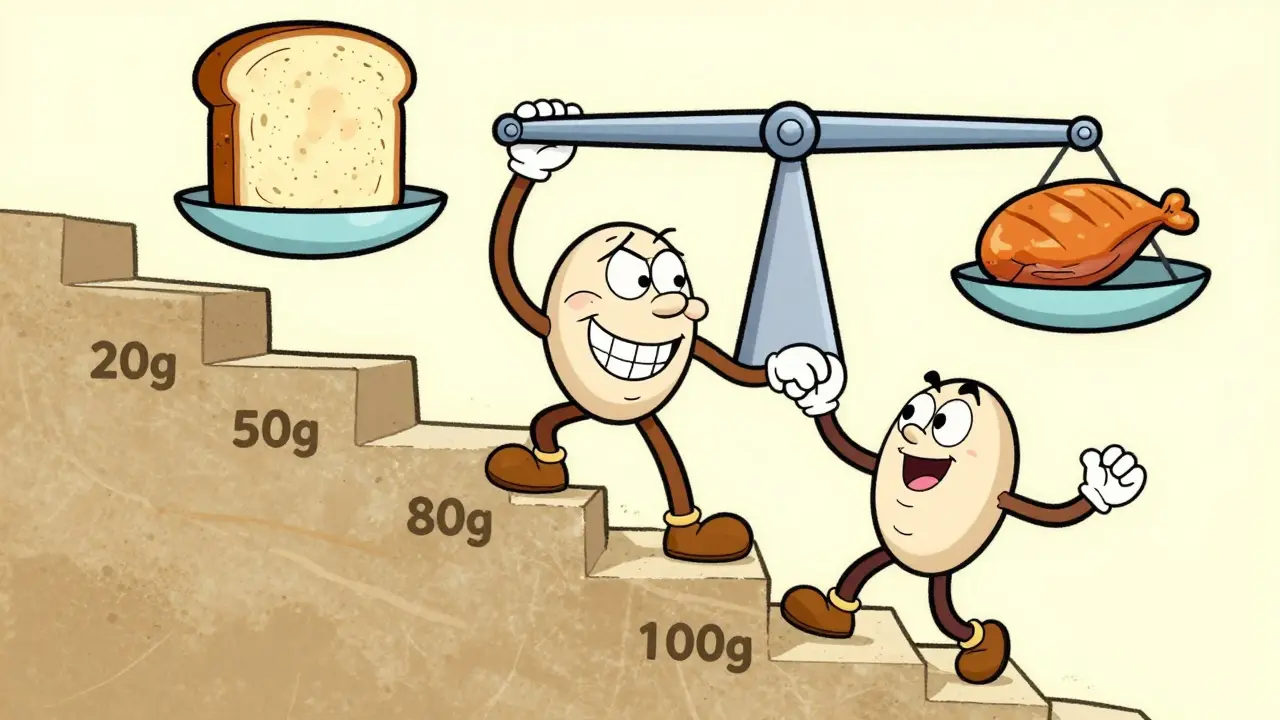
Atkins is much more relaxed about protein. While the first phase (Induction) is very low-carb (20-25g net carbs), it doesn't cap your protein intake. You can eat steak, chicken, and fish to your heart's content. As you move through the phases, your carb limit climbs from 25g to 50g, then 80g, and eventually up to 100g in the maintenance phase.
| Feature | Ketogenic Diet | Atkins Diet |
|---|---|---|
| Primary Goal | Continuous Ketosis | Finding Carb Balance |
| Fat Intake | Very High (75-90%) | High to Moderate |
| Protein Intake | Moderate (Strictly capped) | High (Generally uncapped) |
| Carb Limit | Strictly < 50g daily | Phased (20g $\rightarrow$ 100g) |
| Food Focus | Whole foods, high fats | Protein-heavy, some "diet" snacks |
The Weight Loss Battle: Short-Term Wins vs. Long-Term Reality
Let's talk results. In the short term, Keto often wins the sprint. Because it forces the body into ketosis, the initial weight drop is usually dramatic. For example, one study showed participants on a low-calorie keto diet losing about 44 pounds over a year, significantly more than those on standard low-calorie diets. It's also great for preserving muscle mass while you burn fat.
Atkins is equally effective for many, especially those with metabolic issues. Research on adults with type 2 diabetes showed that the Atkins approach helped lower HgbA1c levels and reduced the need for medication. However, the "magic" of both diets tends to level off after the six-month mark. The Mayo Clinic has noted that over the long haul, low-carb diets aren't necessarily more effective than standard balanced diets for weight loss.
Why does this happen? Sustainability. It is incredibly hard to maintain a strict Keto limit for years. Atkins' phased approach-where you can eventually eat a piece of fruit or a slice of whole-grain bread-makes it easier for the average person to stick with it. Market data shows that while more people start Keto, more people actually stay on Atkins after a year (48% vs 35% adherence rates).
The "Keto Flu" and Other Pitfalls
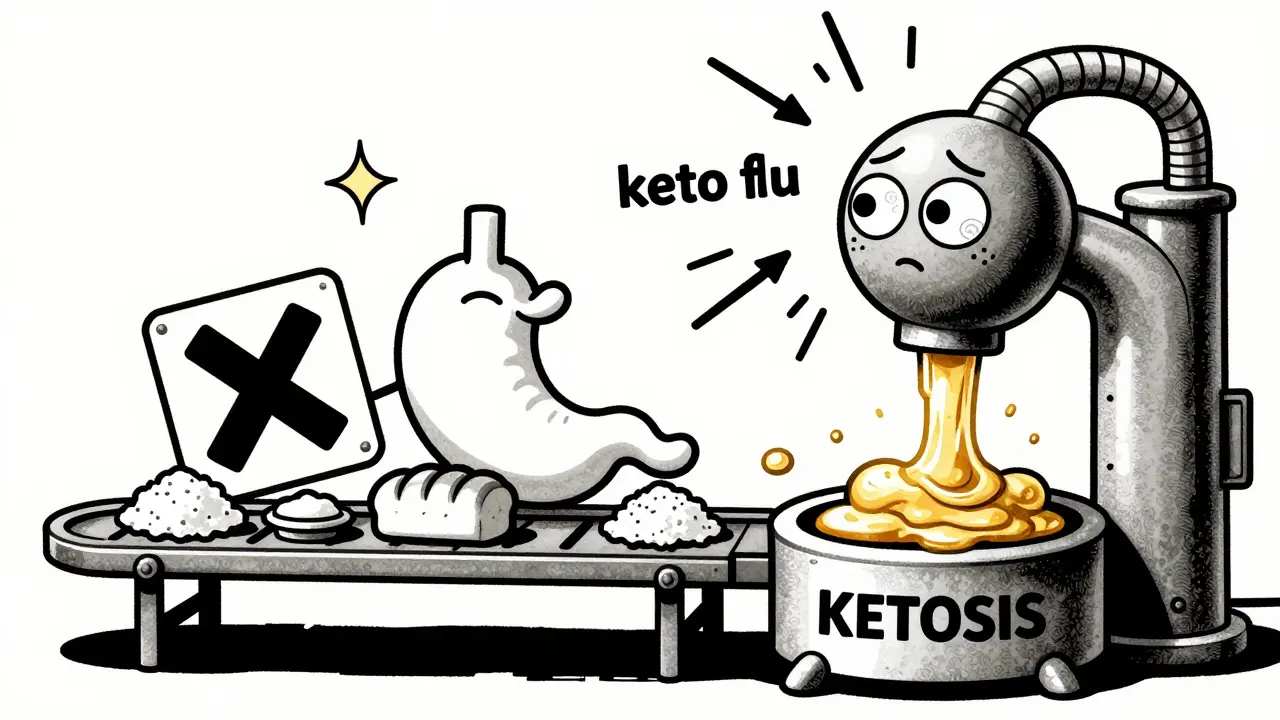
Switching your body's fuel source from sugar to fat isn't always a smooth ride. About 70-80% of people starting Keto experience the "keto flu." For about two weeks, you might feel like you've got a nasty cold-headaches, irritability, and crushing fatigue. This happens because your body is flushing out electrolytes as it dumps water weight.
Atkins users also feel this, though often less intensely because the protein intake is higher, which can help with satiety and stability. The biggest pitfall for Atkins followers is the "plateau." Many people find that as they increase their carbs in Phase 3, their weight loss stalls. This is where you have to carefully tweak your carb intake to find that sweet spot where you stop losing weight but don't start gaining.
There's also a nutritional risk. If you just eat bacon and butter, you'll miss out on vital micronutrients. Experts like Dr. Neal Barnard warn that high saturated fat intake in poorly planned keto diets can increase cardiovascular risks. To avoid this, you need to focus on healthy fats like avocados, olive oil, and nuts rather than just processed meats.
Practical Tips: How to Choose Your Path
So, which one should you pick? It depends on your personality and your goals. If you're looking for rapid results, have a high level of discipline, and don't mind tracking every single gram of food, Keto is a powerful tool. You'll likely need tools like blood ketone meters or urine strips to make sure you're actually in ketosis.
If you prefer a structured plan that evolves with you, or if you find the idea of "forever" restrictions terrifying, Atkins is the better bet. It's less about biological precision and more about a manageable lifestyle shift. Plus, if you're someone who likes the convenience of branded snacks and pre-made shakes, Atkins has a massive retail presence that makes the transition easier.
Regardless of the path, a few rules of thumb apply to both:
- Stay hydrated and supplement electrolytes (magnesium, potassium, sodium) to avoid the flu.
- Focus on leafy greens and non-starchy vegetables to keep your gut healthy.
- Don't rely solely on "low-carb" processed snacks; they're often filled with artificial sweeteners that can trigger cravings.
- Consult a doctor if you're on medication for blood pressure or diabetes, as low-carb diets can change your needs rapidly.
Can I do both Keto and Atkins at the same time?
Not really. While they are both low-carb, their philosophies differ. Keto is about maintaining a specific metabolic state (ketosis) through strict ratios. Atkins is a phased program that intentionally moves you away from strict ketosis over time to find a sustainable maintenance level. Trying to do both would just mean you're doing a very strict low-carb diet.
Which one is better for diabetes?
Both can be highly effective for improving glycemic control. The American Diabetes Association notes that low-carb diets help lower blood sugar in the short term. However, because Keto is more restrictive, it can lead to more rapid drops in blood glucose, which requires very close monitoring of medication to avoid hypoglycemia. Atkins offers a more gradual transition that some find safer.
How do I know if I'm actually in ketosis?
The most accurate way is through blood testing using a glucose/ketone meter. You can also use urine strips or breath analyzers, though these are generally less precise. Physical signs include a distinct "metallic" taste in the mouth (keto breath), increased energy after the initial flu phase, and a significant decrease in hunger.
Is the Atkins diet just Keto for beginners?
In a way, yes. The first phase of Atkins (Induction) looks very similar to a ketogenic diet. However, the goal of Atkins isn't to stay in that state forever. It uses that initial phase to jumpstart weight loss and reset insulin sensitivity before gradually reintroducing carbohydrates.
Are these diets safe for the long term?
For most healthy adults, they are safe if implemented with a focus on whole foods. The main risk is nutritional deficiency (lack of fiber and certain vitamins) and potential cardiovascular strain if you overdo saturated fats. Long-term safety data is still limited, so regular check-ups with a healthcare provider are recommended.
 Health and Wellness