

Imagine the panic of realizing you might have given your baby five times the amount of medicine they needed. It happens more often than you'd think. According to the American Association of Poison Control Centers, about 50,000 children under five hit the emergency room every year for medication poisoning, and infants under one make up nearly a quarter of those cases. Most of these aren't intentional; they're simple, terrifying mistakes caused by confusing labels and the wrong measuring tools.
Quick Safety Check
- Never use a kitchen spoon; they vary too much in size.
- Always use an oral syringe with 0.1 mL or 0.2 mL marks for babies under six months.
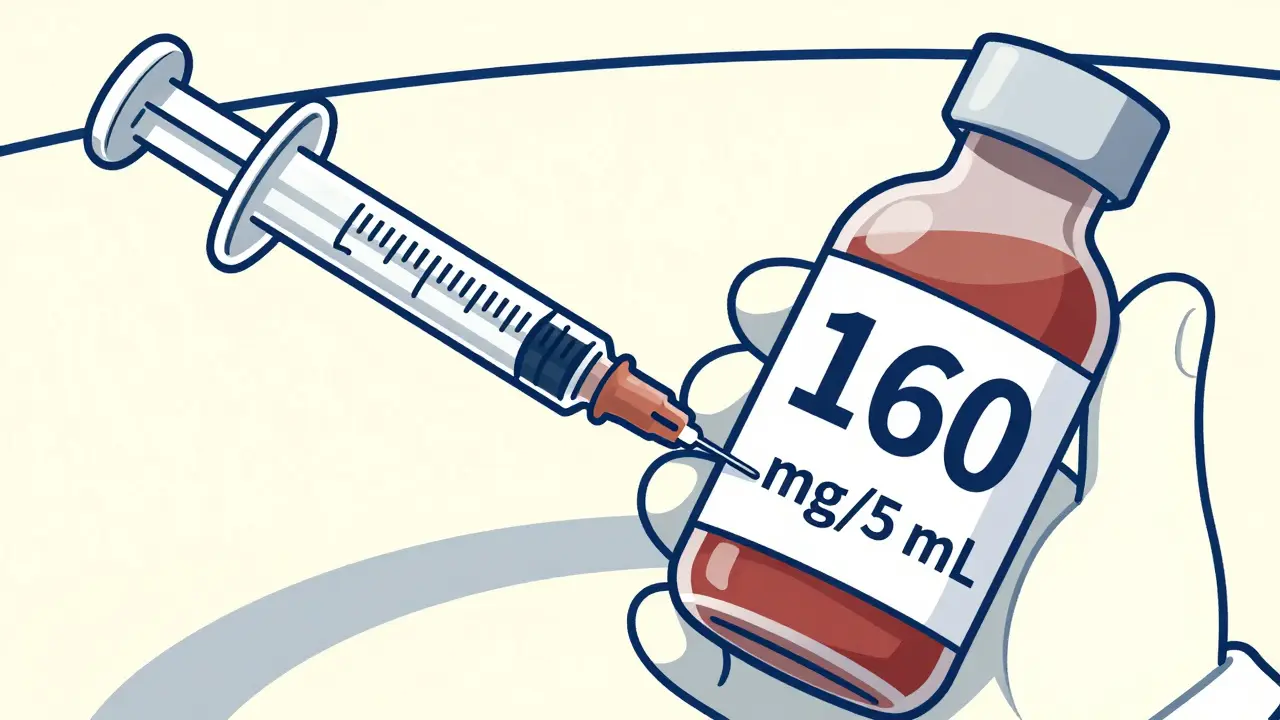
- Check the concentration (e.g., 160 mg/5 mL) every single time you dose.
- Base the dose on your baby's current weight, not their age.
- Avoid all multi-symptom cough and cold medicines for children under two.
The Danger of the "Wrong Spoon"
Many parents rely on what's in the kitchen drawer, but using a household spoon is one of the fastest ways to cause a dosing error. A 2021 survey by HealthyChildren.org found that over 43% of parents still use kitchen spoons, and more than half of them gave doses that were off by 20% or more. When you're dealing with an infant, a 20% difference can be the gap between a therapeutic dose and a toxic one.
To get it right, you need a tool designed for medicine. Oral syringes are the gold standard. They are precision tools used to deliver a specific volume of liquid medication into the mouth. In a trial at Cincinnati Children's Hospital, parents using syringes had an 89.3% accuracy rate, while those using medicine cups dropped to 62.1%. For the tiny increments needed for newborns, look for syringes with 0.1 mL graduations. This level of precision can reduce errors by 67%.
Understanding Concentrations: Why the Label Matters
This is where things get tricky. Not all liquid medicines are created equal. The FDA (Food and Drug Administration) stepped in years ago to standardize things, but confusion still lingers. For example, Acetaminophen (the active ingredient in Tylenol) used to come in various strengths, including highly concentrated drops that were incredibly easy to overdose. Now, most infant and children's versions are standardized at 160 mg per 5 mL.
But here is the trap: just because the concentration is the same doesn't mean the dose is. You must always verify the number on the bottle. If you accidentally use a product with a higher concentration than what the doctor prescribed, you risk serious complications like liver damage or respiratory distress. The CDC notes that misreading concentration info is responsible for nearly 29% of all infant medication errors.
| Tool Type | Accuracy Rate | Risk Level | Best Use Case |
|---|---|---|---|
| Oral Syringe (0.1mL) | ~89% | Low | Infants & Newborns |
| Medicine Cup | ~62% | Medium | Older Children (3+ years) |
| Kitchen Spoon | Very Low | High | Never use for medicine |
| Generic Dropper | Low | High | Avoid due to inconsistent drop size |
Weight-Based Dosing vs. Age-Based Dosing
If you're dosing based on your baby's age (e.g., "6 to 12 months"), you're guessing. Babies grow at vastly different rates. A 10-pound 6-month-old needs a very different amount of medicine than a 17-pound 6-month-old. The American Academy of Pediatrics (AAP) emphasizes that dosing must be calculated by weight in kilograms.
For infant medication safety, the standard formula for acetaminophen is 10-15 mg per kilogram of body weight, given every 4 to 6 hours. If you don't know your baby's weight in kg, divide their weight in pounds by 2.2. Doing this math prevents the "over-dosing" that happens when a child is on the smaller end of an age bracket.
The Hidden Dangers of Multi-Symptom Meds
It's tempting to grab a "multi-symptom" cold and cough syrup to treat a fussy baby, but this is where the highest risks live. The FDA has issued strong warnings against using these products in children under two-and even those under six. Why? Because these medicines often combine several active ingredients, making it easy to double-dose on a single drug without realizing it.
Moreover, these drugs can cause dangerous side effects in infants, including rapid heart rates and even convulsions. If your baby has a cold, stick to saline drops, a humidifier, and a pediatrician-approved plan. Avoid anything that claims to treat "everything" in one bottle.
A Five-Step Protocol to Prevent Errors
To keep your baby safe, don't rely on memory. Use a physical checklist. The CDC's safety initiative suggests a specific verification process that can reduce errors by up to 82%:
- Weight Check: Get your baby's most current weight in kilograms.
- The Math: Calculate the dose based on the mg/kg formula provided by your doctor.
- Label Match: Read the bottle's concentration (e.g., 160 mg/5 mL) and ensure it matches your calculation.
- Tool Check: Use a metric oral syringe; throw away any old spoons or imprecise droppers.
- Second Set of Eyes: Have another adult double-check the syringe volume before you administer the dose.
This might seem tedious for a quick dose of Tylenol, but as Dr. Jennifer Goldman from Seattle Children's Hospital points out, confusing metric measurements with household ones is the most common way 5-to-10 fold overdoses happen.

High-Risk Medications and Storage
While liquid fever reducers are common, some medications are infinitely more dangerous. Dr. Lewis Nelson of NYU Langone Health warns that even one or two pills of certain adult medications can be fatal for an infant. This includes opioids, heart medications, and iron supplements.
Keep these in a locked cabinet, not just a "high shelf." Even though child-resistant packaging has improved, about 12% of caps still fail when tested with toddlers. The best defense is a physical barrier and keeping all medications completely out of sight and reach.
Can I use a dropper if it came with the medicine?
Not always. Many generic droppers have inconsistent drop sizes and unclear markings. A study in Clinical Pediatrics found that over 73% of parents gave the wrong dose when using droppers. A graduated oral syringe is always more accurate.
What should I do if I think I gave too much medicine?
Don't wait for symptoms to appear. Call the National Poison Control Center immediately or head to the emergency room. Have the bottle of medicine with you so doctors know the exact concentration and ingredient.
Is it safe to give infant medicine if I am breastfeeding?
Generally, medications that are safe for an infant are safe for a breastfeeding parent. However, medications safe during pregnancy are not always safe while breastfeeding. Always consult a provider or check the LactMed database.
Why can't I use "children's" medicine for my infant?
While many concentrations are now standardized (like 160 mg/5 mL for acetaminophen), the dosages for infants are much smaller and more precise. Using a "children's" dosing chart for an infant can lead to significant overdosing.
How often should I weigh my baby for dosing?
Infants grow rapidly. You should use their most recent weight from a pediatric visit. If it's been more than a few weeks or your baby has had a growth spurt, a fresh weight is necessary to ensure the dose remains accurate.
Next Steps for Parents
If you're unsure about a dose, don't guess. Use tools like the National Poison Center's "Help Me Choose" tool at poison.org for real-time verification. If you are a grandparent or caregiver, be extra cautious; studies show caregivers over 65 are more prone to dosing errors due to vision challenges and outdated medical knowledge. When in doubt, ask the pharmacist to physically show you how to draw the dose into the syringe before you leave the store.
 Health and Wellness