

When a new drug hits the market in the U.S. or Europe, the label you read isn’t just a piece of paper-it’s the result of two very different regulatory systems. The EMA and the FDA both approve life-saving medicines, but how they write the instructions, warnings, and usage details can vary dramatically. For patients, doctors, and pharmacies, these differences aren’t just technical-they affect what you can be told about a drug, when you can get it, and even whether it’s recommended for pregnancy or breastfeeding.
Why the Labels Look So Different
The FDA operates as a single, centralized U.S. agency. Everything flows through one office in Silver Spring, Maryland. The EMA, on the other hand, is a network. It coordinates with national regulators across all 27 EU member states. That structural difference shapes everything: how decisions are made, how fast they’re made, and how labels are written. The FDA’s labeling is called the Prescribing Information (PI). It’s strict, detailed, and written in English only. The EMA’s equivalent is the Summary of Product Characteristics (SmPC). But here’s the catch: every SmPC must be translated into all 24 official EU languages. That means a single drug approved in the EU has 24 different label versions, each reviewed and approved locally. The FDA doesn’t do that. One English label, one country. This isn’t just about language-it’s about cost. Pharmaceutical companies spend 15-20% more on labeling for the EU because of translation, legal review, and local adaptation. That’s money that could go into research or lowering drug prices.What Gets Included-and What Doesn’t
One of the biggest surprises for doctors and patients is how differently the two agencies handle patient-reported outcomes. These are things like "I felt less pain," "I could walk further," or "My sleep improved." The EMA is far more willing to include these in labeling. Between 2006 and 2010, 47% of drugs approved by both agencies had at least one patient-reported claim on the EMA label. The FDA? Only 19%. That means a drug might say "improves quality of life" in Germany but not in the U.S.-even if the exact same clinical trial data was used. Pregnancy and breastfeeding warnings are another major gap. In one case, a drug’s label said "avoid during pregnancy" in the U.S., but in Europe, it simply said "use with caution." For two other drugs with clear human data, the FDA warned of fetal risk while the EMA said the benefit outweighed the risk. There’s no universal standard. It comes down to how each agency interprets the same numbers.Approval Speed and Evidence Standards
The EMA approves drugs faster on average. In 2020, 92% of applications got a positive decision on the first try. The FDA’s rate was 85%. Why? The FDA is more likely to ask for more data before approving. The EMA sometimes approves based on early signals, especially for rare diseases, using what’s called the "exceptional circumstances" pathway. The FDA doesn’t have a direct equivalent. So a drug for an ultra-rare cancer might get approved in Europe with limited data, then later require more studies. In the U.S., that same drug might sit on the shelf until more evidence is gathered. This affects oncology drugs the most. The EMA is more open to approving drugs based on surrogate endpoints-like tumor shrinkage-instead of waiting years to see if patients live longer. The FDA is more cautious. That means patients in Europe might get access to new cancer treatments months or even years before U.S. patients.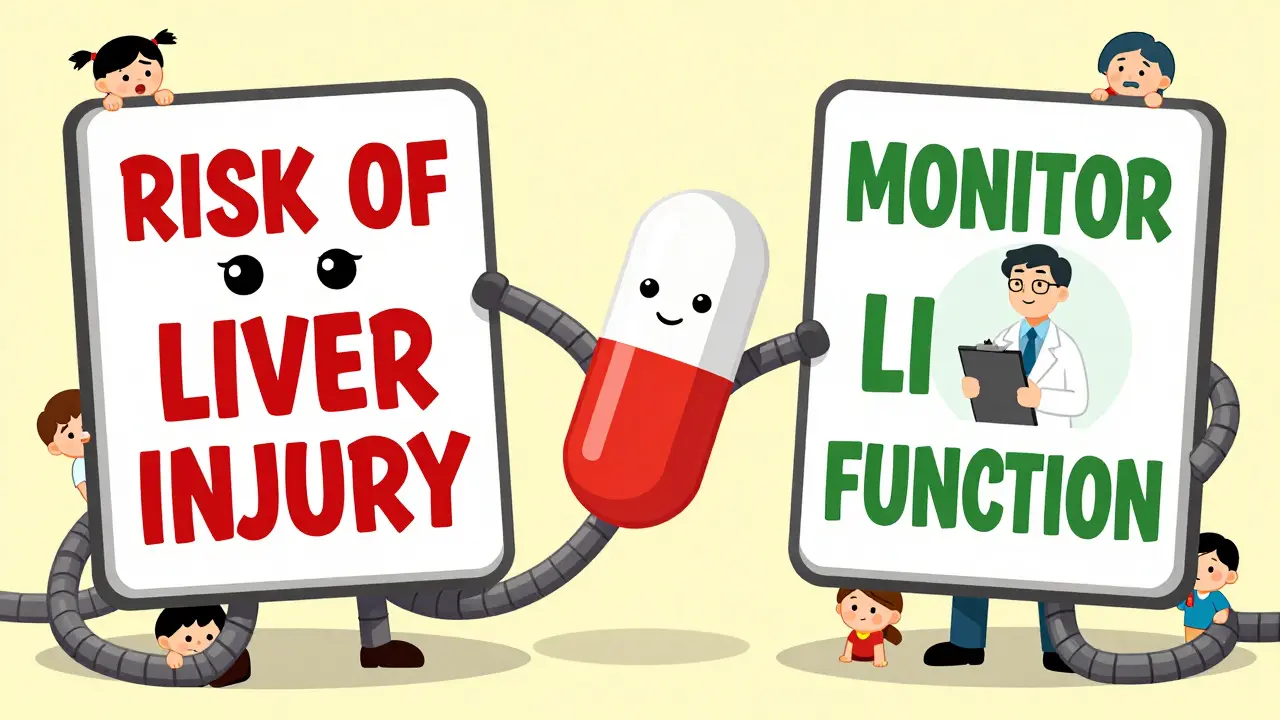
Risk Management: REMS vs RMP
Both agencies want to manage drug risks. But they do it in completely different ways. The FDA uses Risk Evaluation and Mitigation Strategies (REMS). These are strict, legally enforceable programs. For some drugs, that means only one pharmacy can dispense it. Or doctors must complete training. Or patients must sign forms. Think of REMS as a lock-and-key system: if you don’t meet the rules, you don’t get the drug. The EMA uses Risk Management Plans (RMPs). These are more like guidelines. Companies must identify risks and propose ways to reduce them-but they get to choose how. No mandatory training. No single distributor. Just a plan that’s reviewed and monitored. It’s more flexible, but also harder to track. For companies, this means two different compliance systems. One drug might need a special distribution network in the U.S. but only a monitoring system in Europe. That doubles the work.Why Harmonization Keeps Failing
You’d think, with global drug development, the two agencies would have aligned by now. They’ve been working together for decades through the ICH. They share data. They hold joint meetings. But the labels still don’t match. A 2020 study looked at 12 vaccines approved by both agencies between 2006 and 2018. The results? No pattern of increasing alignment over time. None. Even when the same clinical trial data was used, the labels differed in wording, emphasis, and even what was included. Why? Because they’re not just reviewing data-they’re interpreting it through different cultural and legal lenses. The FDA leans toward caution. The EMA leans toward access. The U.S. legal system demands clear warnings to avoid lawsuits. The EU system trusts healthcare professionals to make decisions based on context. This isn’t about one being right or wrong. It’s about two systems built for different societies.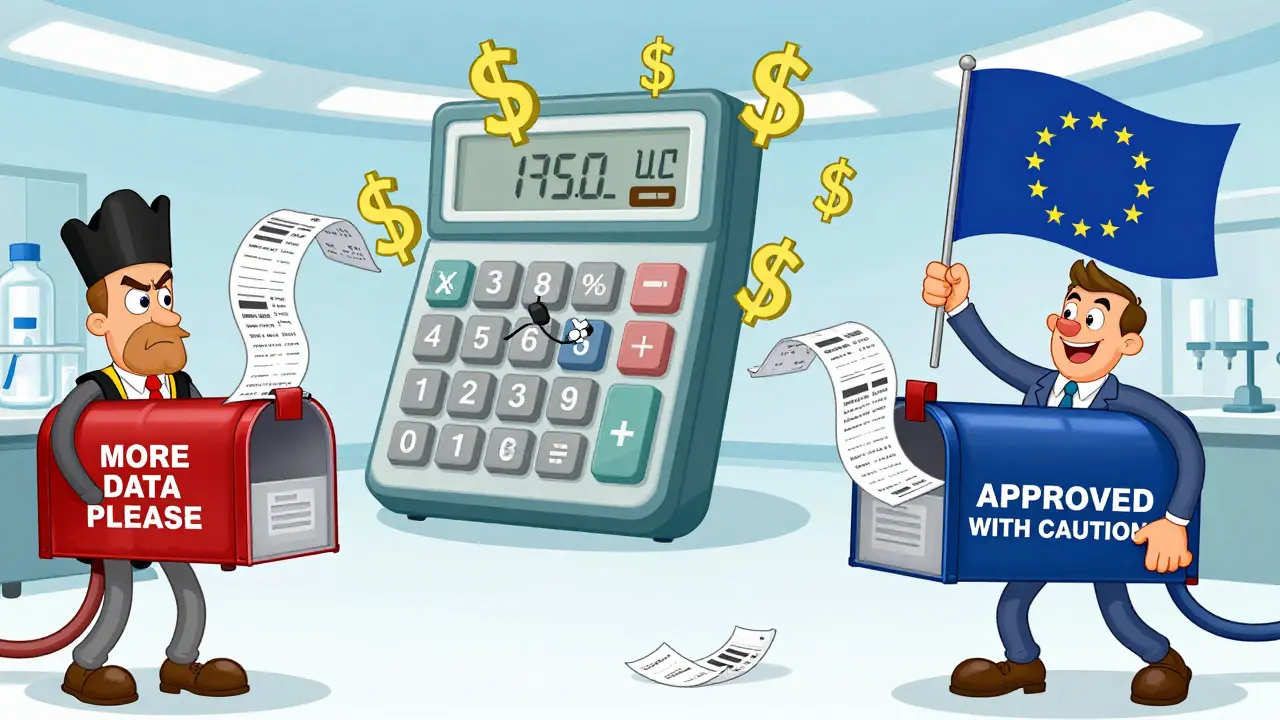
What This Means for Patients and Doctors
If you’re a doctor in the U.S., you might not know a drug is approved for a different use in Europe. If you’re a patient traveling abroad, your prescription might not be recognized. If you’re a pharmacist filling a cross-border order, you could be giving out the wrong instructions. For example, a drug approved in the EU for chronic fatigue might not carry that indication in the U.S. A patient might be told "it won’t help" in America, but in France, they’re told it can improve daily function. That’s not misinformation-it’s regulatory divergence. Even when drugs are approved for the same condition, the wording of warnings can change how patients feel. A label saying "risk of liver injury" in the U.S. might become "monitor liver function regularly" in Germany. One sounds scary. The other sounds manageable.How Companies Are Adapting
Big pharma doesn’t wait for harmonization. They’ve built teams just to handle this. About 65% of major drug companies now have dedicated regulatory intelligence units. These teams track every change in EMA and FDA guidance. They prepare two sets of documents. They run parallel clinical trials to meet both agencies’ expectations. They translate, reformat, and re-submit-often at twice the cost. Some companies are trying to bridge the gap. They design trials to satisfy both agencies from the start. They use ICH guidelines as a baseline. But even then, they know they’ll likely need to tweak the label for each region. The bottom line? There’s no shortcut. If you want to sell a drug in both markets, you’re paying for two labeling systems.What’s Next?
The EMA and FDA are talking more than ever. Their 2020 confidentiality agreement lets them share internal reviews. AI tools are being tested to help analyze safety data faster. The European Commission has made labeling harmonization a top priority in its 2022 pharmaceutical strategy. But experts agree: full alignment is unlikely. The legal systems are too different. The risk tolerance is too different. The patient expectations are too different. The gap is narrowing-slowly. But for now, if you’re reading a drug label, always check where it came from. The same pill, in two countries, might come with two very different stories.Why do EMA and FDA drug labels differ even when the same clinical data is used?
Because the two agencies interpret evidence differently based on their legal frameworks and cultural priorities. The FDA tends to require stronger proof of benefit and is more cautious with risk communication, while the EMA often accepts earlier or less complete data, especially for rare diseases. Even identical trial results can lead to different wording, inclusion of patient-reported outcomes, or risk warnings.
Does the EMA approve drugs faster than the FDA?
Yes, on average. The EMA grants first-cycle approval to 92% of applications, compared to the FDA’s 85%. This is partly because the EMA uses pathways like "exceptional circumstances" for ultra-rare diseases, allowing approval with limited data. The FDA often asks for more complete evidence upfront, which can delay approval but reduce post-market surprises.
Why does the EMA require labels in 24 languages?
The European Union has 24 official languages, and each member state has the right to ensure its citizens receive drug information in their native language. This is a legal requirement under EU law, not a choice. It ensures equitable access to information across all member states, even though it increases costs and complexity for drug manufacturers.
Can a drug have different approved uses in the U.S. and Europe?
Absolutely. For example, a drug might be approved for chronic fatigue in the EU but not in the U.S., or for a different cancer subtype. These differences come from how each agency weighs the strength of clinical evidence. The EMA may accept surrogate endpoints or smaller studies; the FDA often demands larger trials showing direct patient benefit.
Do REMS and RMPs mean the same thing?
No. REMS (FDA) are legally binding programs that can restrict distribution, require training, or mandate patient enrollment. RMPs (EMA) are flexible plans that outline risk management strategies but don’t enforce specific systems. A REMS might limit a drug to one pharmacy; an RMP might just require ongoing safety monitoring.
How do these differences affect patients traveling between the U.S. and Europe?
Patients may find their prescription isn’t recognized, or that the labeling instructions differ. A drug approved for a specific use in Europe might not carry that indication in the U.S., and vice versa. Doctors in one country may not be aware of the full approved use in the other. This can lead to confusion, delayed treatment, or inappropriate discontinuation of medication.
Are there any efforts to make EMA and FDA labels more similar?
Yes. The FDA and EMA have a confidential information-sharing agreement, hold joint scientific advice sessions, and both follow ICH guidelines. They’re also exploring AI tools to analyze safety data more consistently. But full harmonization is unlikely due to deep-rooted legal and cultural differences. The goal now is to reduce unnecessary gaps, not eliminate them entirely.
 Health and Wellness
Justin Fauth
February 5, 2026 AT 09:30Meenal Khurana
February 6, 2026 AT 13:12Joy Johnston
February 8, 2026 AT 01:28Sherman Lee
February 9, 2026 AT 02:55Coy Huffman
February 9, 2026 AT 07:11Kunal Kaushik
February 9, 2026 AT 15:22Mandy Vodak-Marotta
February 10, 2026 AT 23:14Harriot Rockey
February 12, 2026 AT 09:25pradnya paramita
February 13, 2026 AT 08:15