
Welcome to the Health and Wellness hub at RxLoyal. If you want straight answers about medicines, supplements, or common conditions—side effects, costs, and real-life tips—you’re in the right place. We focus on clear, usable info so you can take action or ask smarter questions at your next doctor visit.
Short, practical articles on topics people actually search for: diabetes meds (like Actos), allergy relief (Zyrtec), blood pressure drugs (azilsartan), inhalers for asthma and COPD, and antibiotic trends (Bactrim resistance). You’ll also find comparisons (Breo Ellipta vs Symbicort), alternatives to popular drugs (Semaglutide, Flagyl, Cytotec), and guides on supplements people are curious about such as bistort, indium, and more.
Each piece covers how the drug or supplement works, expected benefits, common side effects, and simple tips to use it safely. Where cost matters, we talk coupons, insurance basics, and ways to shop smarter without compromising safety.
Read the side effect and interaction sections first. If an article mentions sun sensitivity, signs of allergic reaction, or required liver tests—those are real red flags to note. Keep a list of your current meds and show it to any new prescriber so they can check interactions. For travel, carry a copy of prescriptions and a few days’ extra supply.
Buying meds online? Stick to reputable pharmacies, check for a licensed pharmacist contact, and avoid deals that seem too good to be true. For supplements, look for third-party testing and realistic claims—no miracle promises.
Want to manage a condition better? Small daily moves matter: track blood pressure or blood sugar at home, keep a simple seizure action plan if needed, and start hair-loss treatments early if you’re seeing thinning. Lifestyle changes often pair with meds and make treatments work better.
If cost is a concern, check manufacturer coupons, generic options, or ask your provider about lower-cost alternatives. For inhalers and chronic meds, a small monthly savings can add up—our cost comparison posts dive into that.
We include patient-friendly stories and real-world tips so you know what daily life looks like on a medicine. From coping with anxiety after a health scare to managing medication side effects while traveling, these bits of lived experience help you plan ahead.
Want something specific? Use the category search or browse our recent posts for focused guides like how to spot actinic keratosis early, safe use of antiparasitic drugs, and when doctors are changing antibiotic choices. Read, bookmark, and bring questions to your clinician—our job is to make the medical parts less confusing so you can act with confidence.
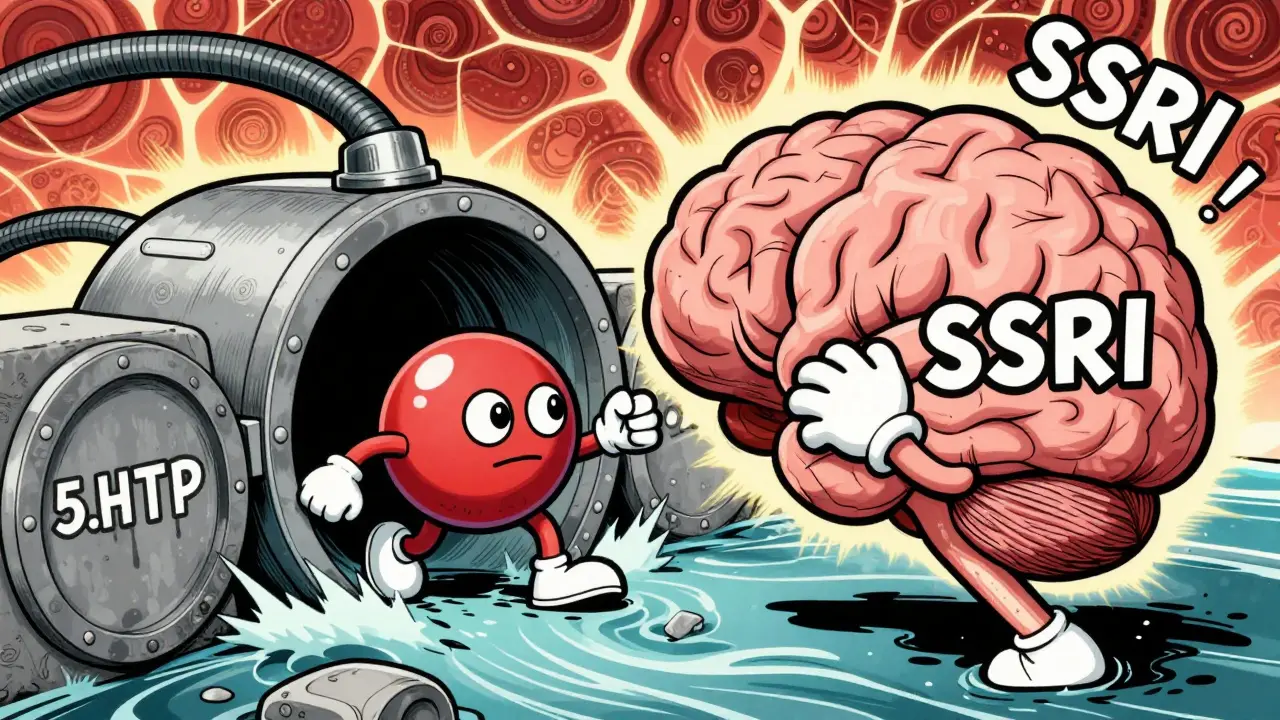
Combining 5-HTP with SSRIs can trigger Serotonin Syndrome, a life-threatening reaction. Learn about the risks, warning signs, and safe washout periods.
Learn how opioid rotation can help reduce side effects and improve pain relief by switching medications under clinical guidance.
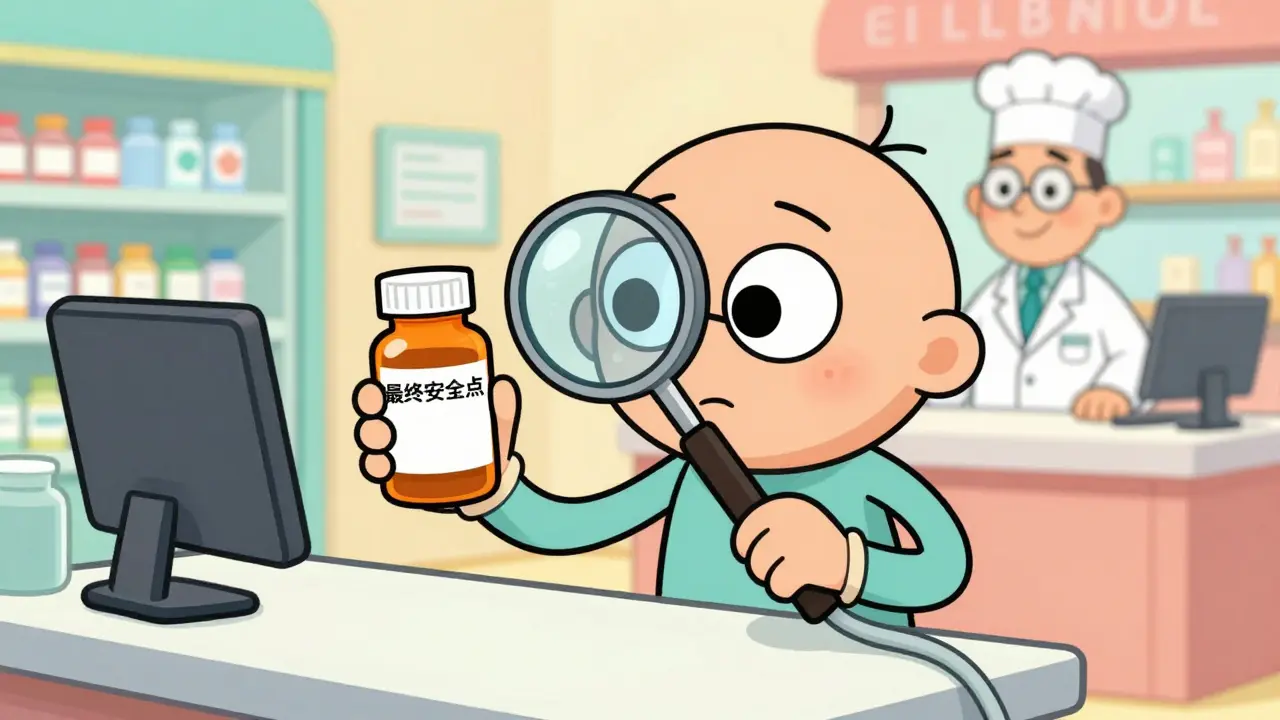
Learn how to spot pharmacy labeling errors before taking medication. Discover a simple 4-step verification protocol to prevent dangerous dosage and drug mistakes.
Explore how pharmacist substitution authority is reshaping healthcare access. Learn about generic vs. therapeutic interchange, CPAs, and new federal reimbursement rules.
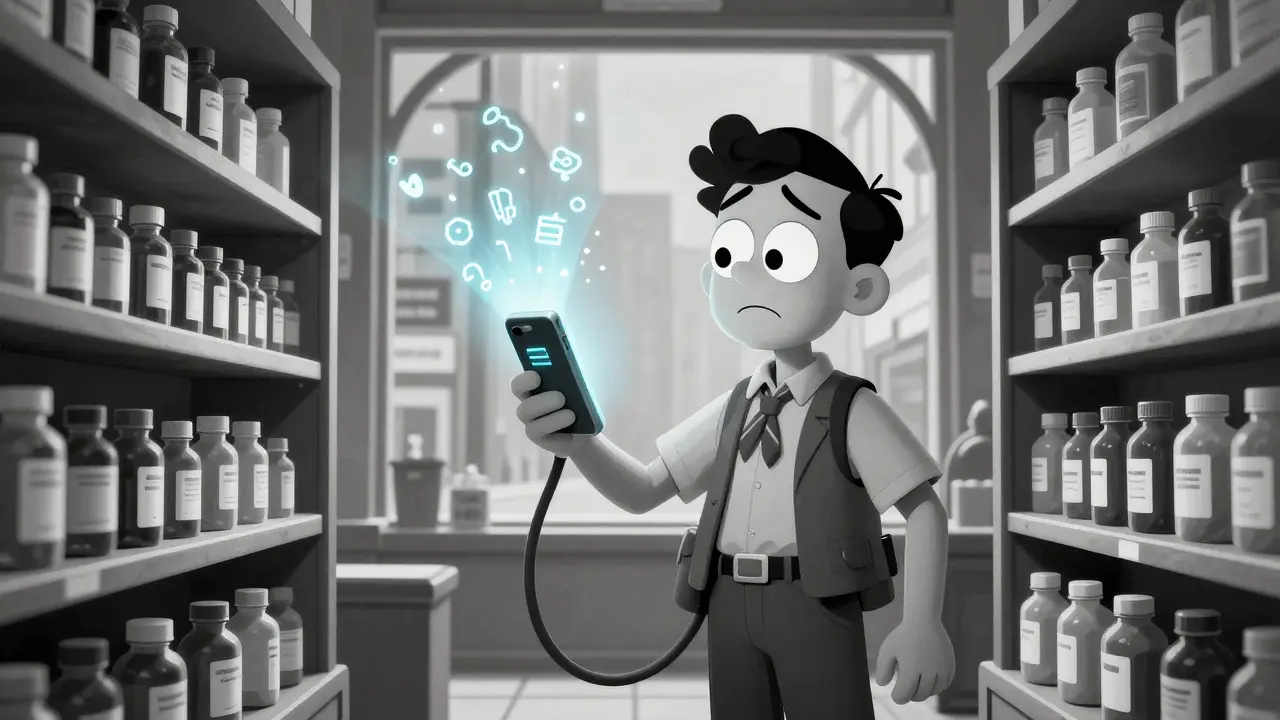
Discover how specialized travel apps help you find pharmacies and clinics worldwide. Learn to use medication translators and telemedicine tools for safer international trips.
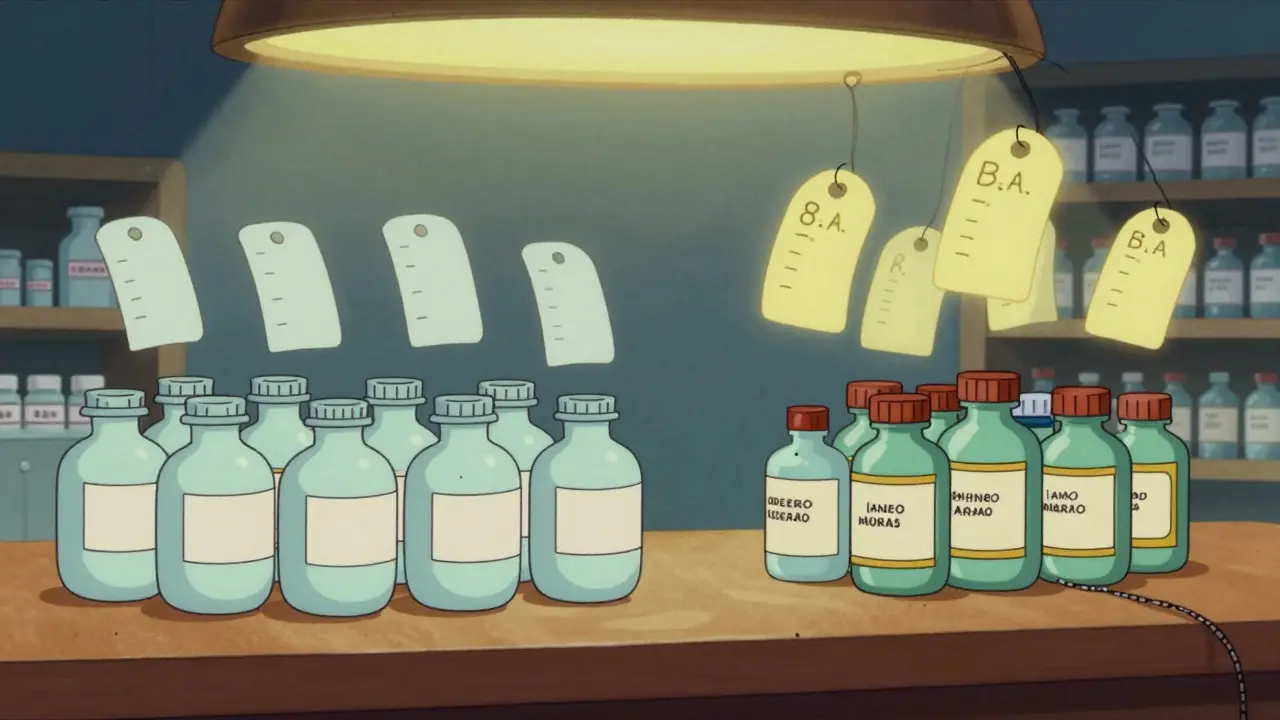
Explore real numbers on generic drug savings. Learn how generics versus brand-name drugs impact healthcare spending, out-of-pocket costs, and the future of biosimilars.

Discover the real financial impact of generic medicines. Our deep dive reveals how generics save billions in healthcare spending, break down the 90% vs 12% spending paradox, and explain future savings opportunities.
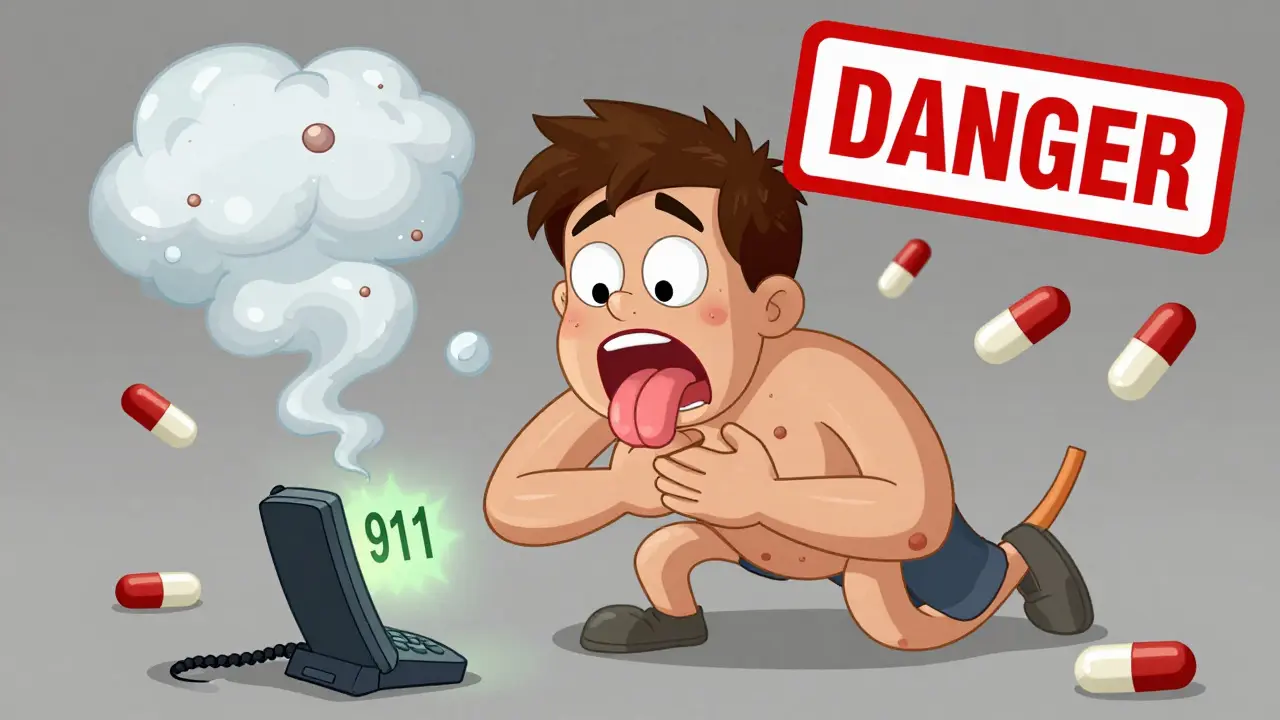
Learn when to call 911 versus contact your doctor for medication reactions. Recognize life-threatening signs like trouble breathing or swelling, and know when a mild rash can wait. Your quick action could save a life.
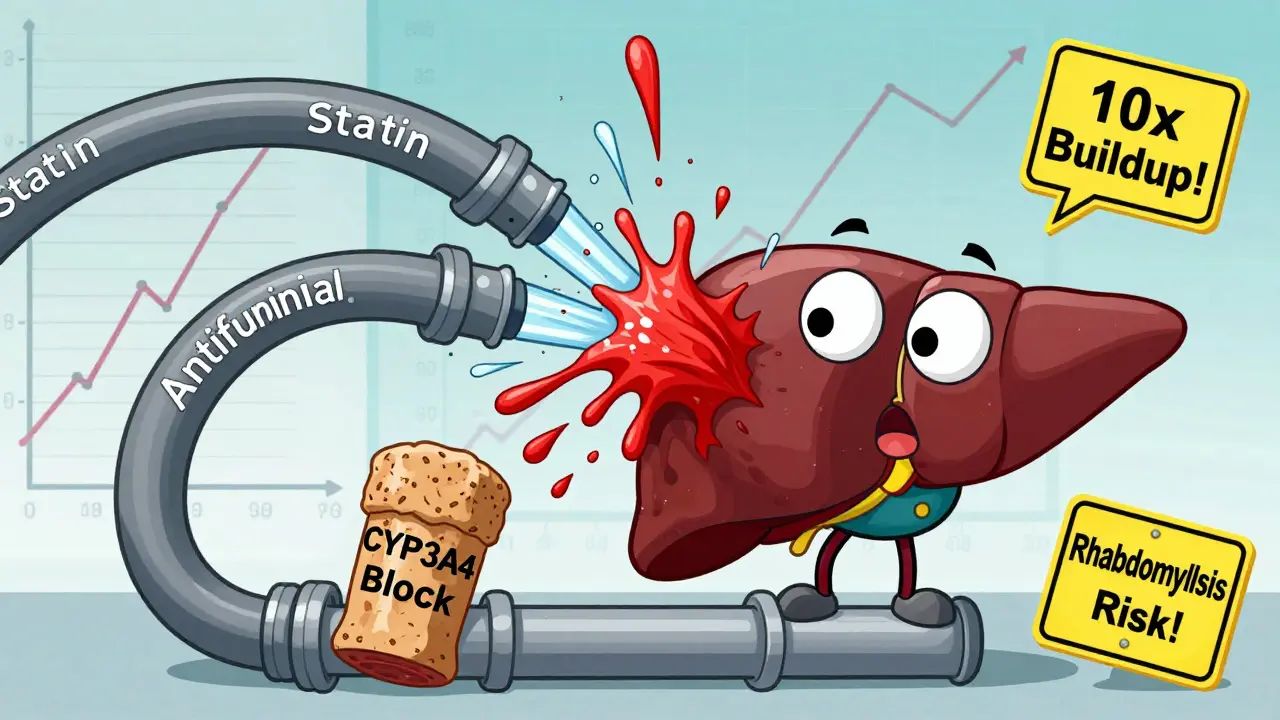
Statins and azole antifungals can interact dangerously, leading to muscle damage and kidney failure. Learn which combinations are risky, which statins are safer, and what to do if you need both.
Generic prescribing incentives reward healthcare providers for choosing lower-cost generic drugs, saving billions annually. But how do these programs really work-and do they risk compromising patient care?
 Health and Wellness